
The Best Places to Visit in France
Explore the best places to visit in France, from Paris’s icons to Provence’s lavender fields, plus tips on timing, routes, and trip length.
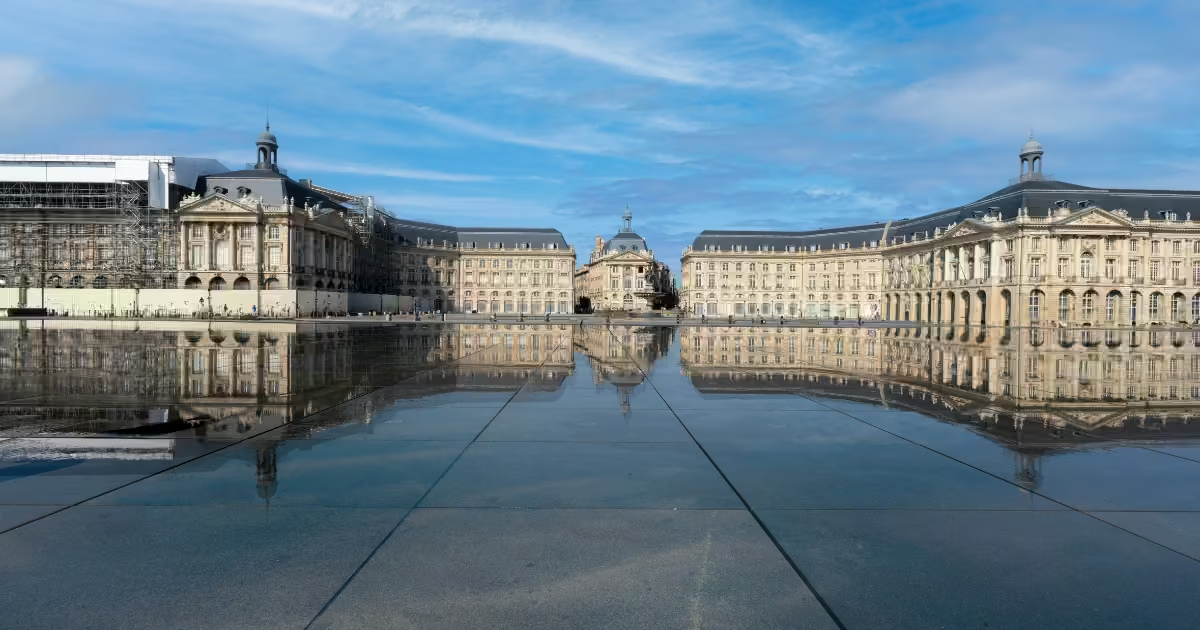
Table of Contents
Say “trip to France” and most people picture the Eiffel Tower lit up at night; fair enough, it’s earned the reputation. But France’s real trick is range: within a few hours of each other you’ve got glacier-blue alpine lakes, lavender fields rolling toward hilltop villages, half-timbered medieval towns, a coastline that swings from windswept Normandy cliffs to Riviera glamour, and a capital that somehow still lives up to the hype after centuries of postcards.
This guide breaks down the best places to visit in France by region, travel style, and season, so whether you’ve got a long weekend in Paris or three weeks to wander, you can build a route that actually matches the trip you want.
Best Places to Visit in France at a Glance
- Paris – Best for iconic landmarks and culture
- French Riviera – Best for coastal scenery and seaside towns
- Provence – Best for scenic villages and countryside
- Normandy – Best for history and coastal landscapes
- Loire Valley – Best for historic châteaux and scenic countryside
- Annecy – Best for lakes and mountain scenery
- Strasbourg – Best for old-world charm and architecture
- Lyon – Best for history and architecture
- Alsace – Best for charming towns and scenic landscapes
- Mont Saint-Michel – Best for medieval history and architecture
Best Places to Visit in France
Paris – Best for Iconic Landmarks and Culture

Paris earns every bit of its reputation, and then some. The Eiffel Tower, the Louvre, Notre-Dame’s slow post-fire restoration, Montmartre’s cobbled hills it’s a city where the must-see list writes itself, but the real charm shows up in the in-between moments: a café terrace on a side street, a used bookstall along the Seine, a neighborhood market on a Sunday morning. Give it at least three days, more if museums are your thing, and don’t skip a boat ride down the Seine at dusk when the monuments start lighting up one by one.
French Riviera – Best for Coastal Scenery and Seaside Towns
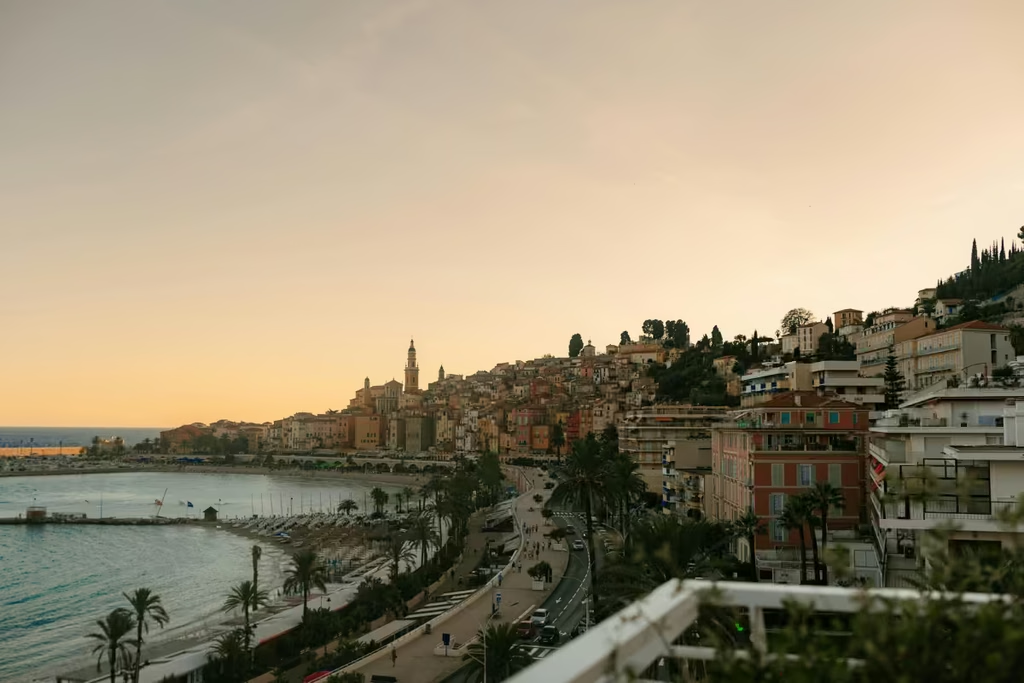
Stretching from Saint-Tropez to Menton near the Italian border, the French Riviera (Côte d’Azur) is where the Mediterranean does its best work: impossibly blue water backed by pastel villas and cliffside towns. Nice makes an easy, well-connected base, with its Promenade des Anglais and old town food markets, while Cannes brings a dash of film-festival glamour and the tiny hilltop village of Èze delivers the kind of panoramic coastal view that ends up on every Riviera postcard. It’s the pick for anyone chasing sun, sea, and a bit of French Riviera glitz all at once.
Provence – Best for Scenic Villages and Countryside
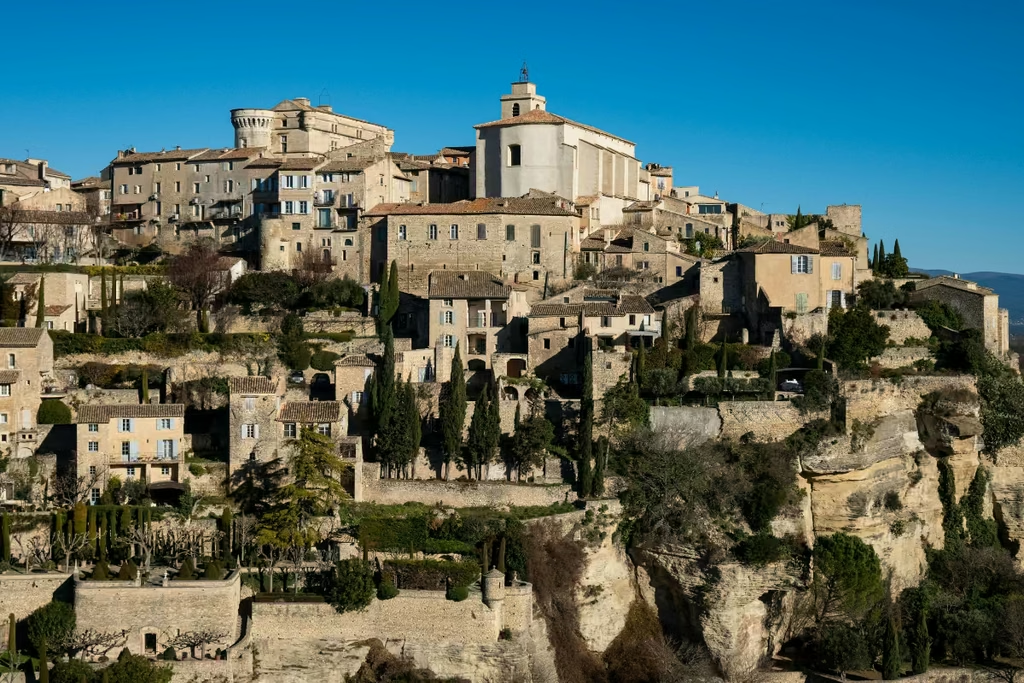
Provence is the France of the imagination: lavender fields in July, sunflower rows in summer, and hilltop villages like Gordes and Roussillon that look painted rather than built. Base yourself in Aix-en-Provence for its fountains and market squares, or Avignon for its medieval papal palace and famous broken bridge, and use either as a jumping-off point for day trips through the Luberon countryside. Come for the lavender in high summer, but honestly, Provence’s honey-colored stone villages hold their charm in any season.
Normandy – Best for History and Coastal Landscapes
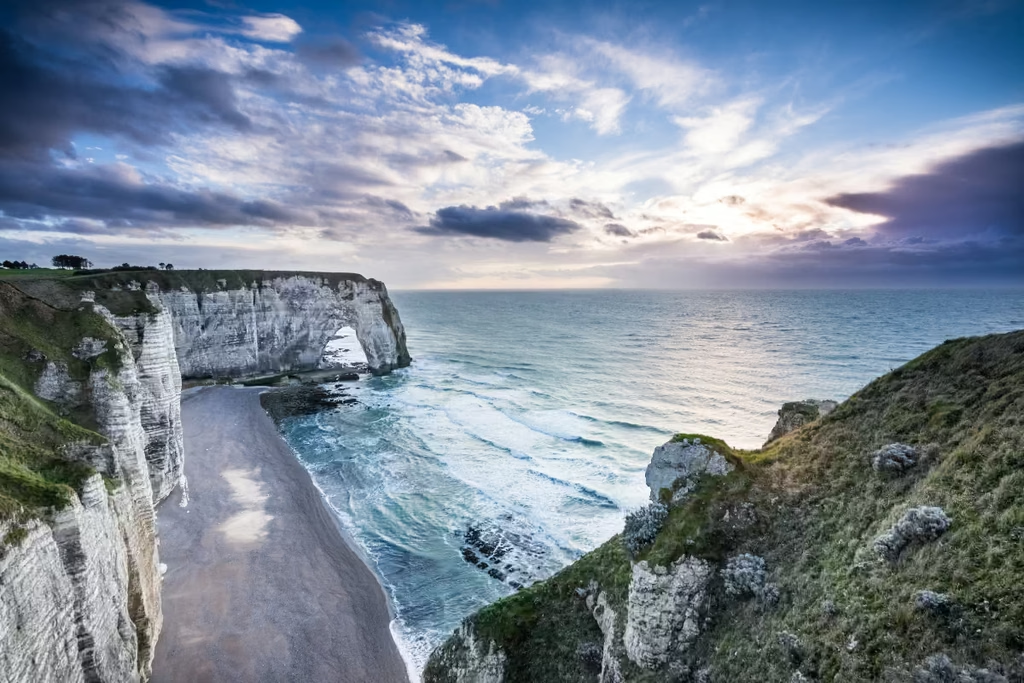
Normandy carries some of the most significant modern history in Europe: the D-Day landing beaches, the American and German war cemeteries, and museums that lay out the events of June 1944 in sobering detail. Beyond the history, the region’s coastline delivers dramatic scenery of its own: the chalk cliffs of Étretat rival anything on the south coast, and the medieval town of Bayeux (home to the famous 11th-century tapestry) makes an easy, walkable base for exploring both the coast and the landing sites.
Loire Valley – Best for Historic Châteaux and Scenic Countryside
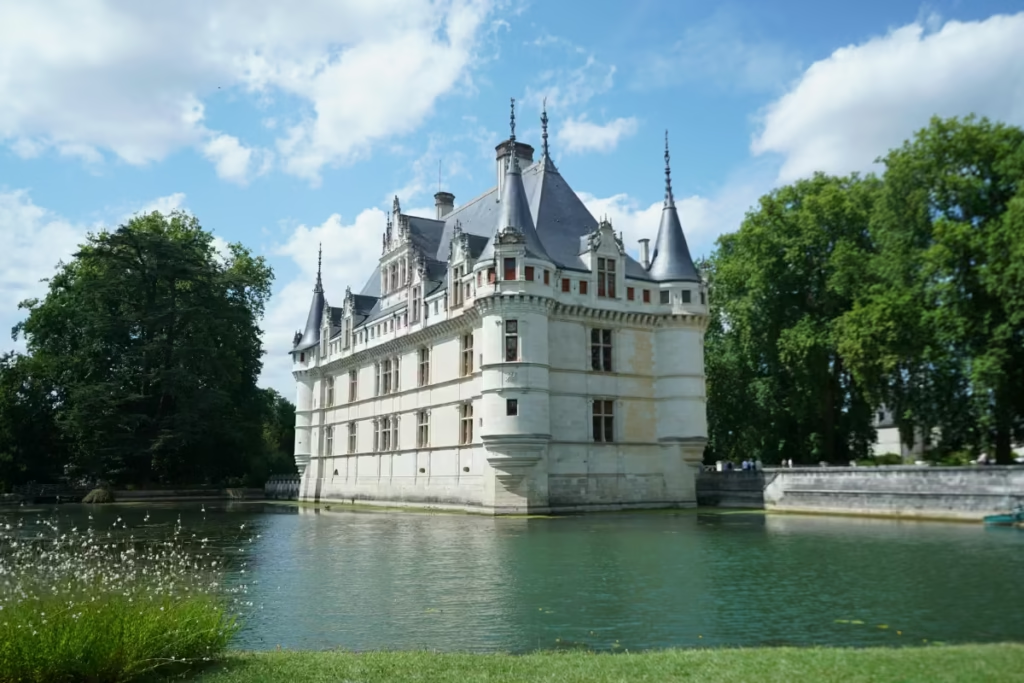
Few regions pack in as much architectural drama as the Loire Valley, where more than 300 châteaux dot a landscape of vineyards and slow-moving rivers. Chambord’s turreted silhouette and Chenonceau’s arches spanning the River Cher are the headline acts, but smaller châteaux and half-timbered towns like Amboise reward slower exploration. Rent a bike, follow the marked cycling routes along the river, and stop for a glass of Vouvray or Chinon along the way; this is a region built for a slower pace.
Annecy – Best for Lakes and Mountain Scenery
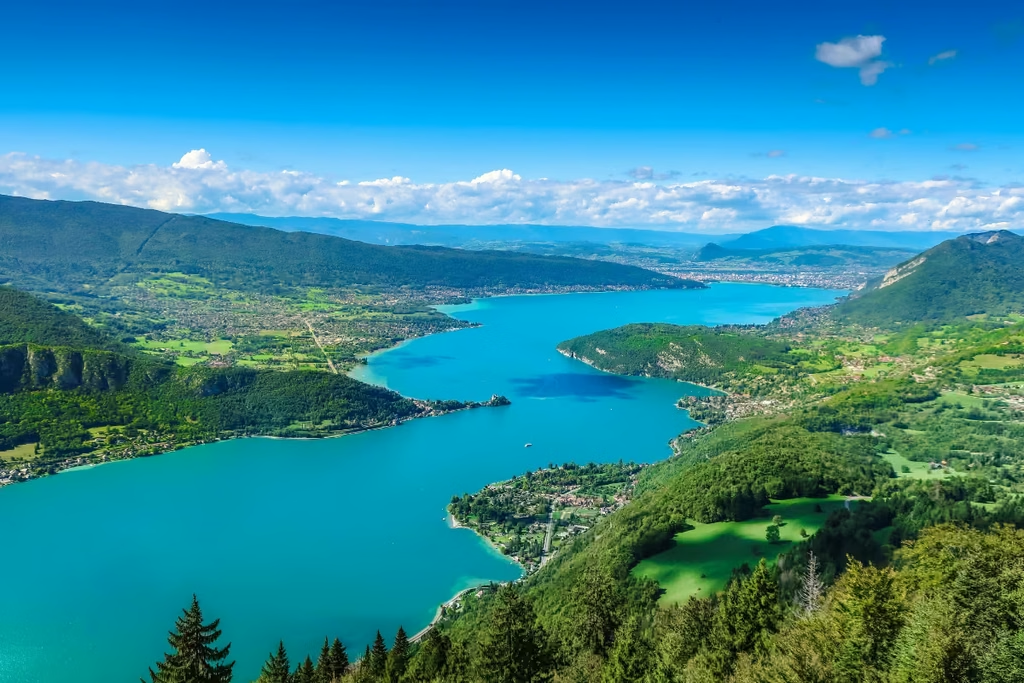
Annecy gets called “the Venice of the Alps,” and the comparison holds up: flower-lined canals thread through a medieval old town, all set against a backdrop of snow-capped peaks and one of Europe‘s clearest lakes. Rent a paddleboard or kayak on Lake Annecy in summer, walk or cycle the lakeside path that circles the water, and duck into the old town’s arcaded streets for a meal after. It’s an easy add-on for anyone routing between Lyon and the Alps, or simply a destination in its own right.
Strasbourg – Best for Old-World Charm and Architecture
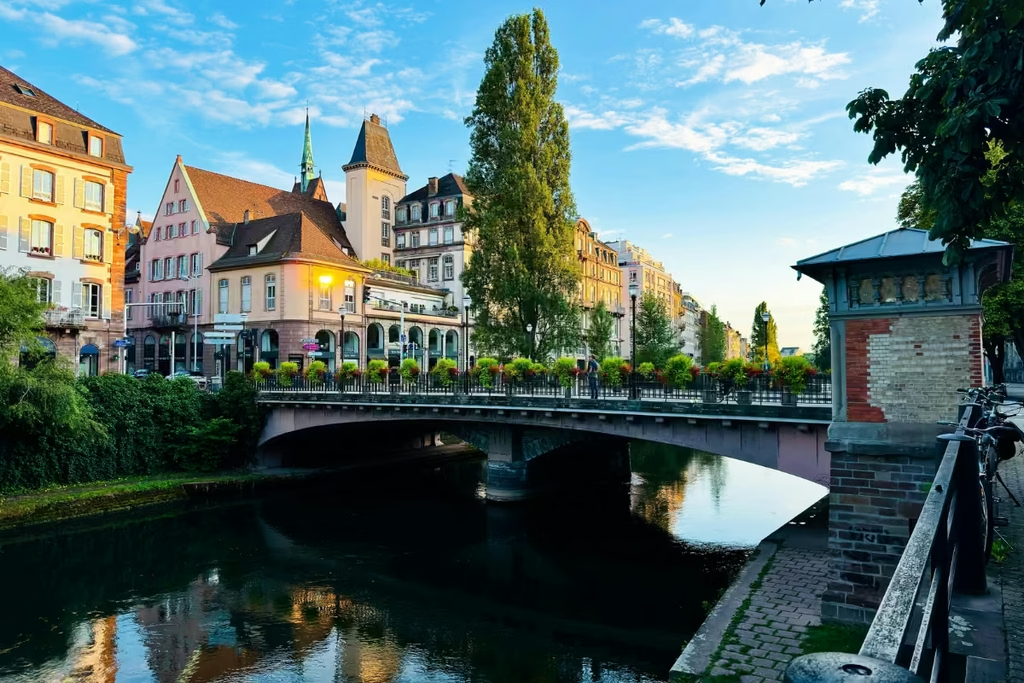
Strasbourg sits right on the German border and wears that dual heritage well: half-timbered houses in the Petite France district, a Gothic cathedral with an astronomical clock, and a food and beer culture that leans distinctly Alsatian rather than classically French. It’s also home to the European Parliament, giving the city an international buzz alongside its storybook streets. Visit in December and the city’s Christmas market, one of the oldest and largest in Europe, turns the whole old town into a glowing, cinnamon-scented event.
Lyon – Best for History and Architecture
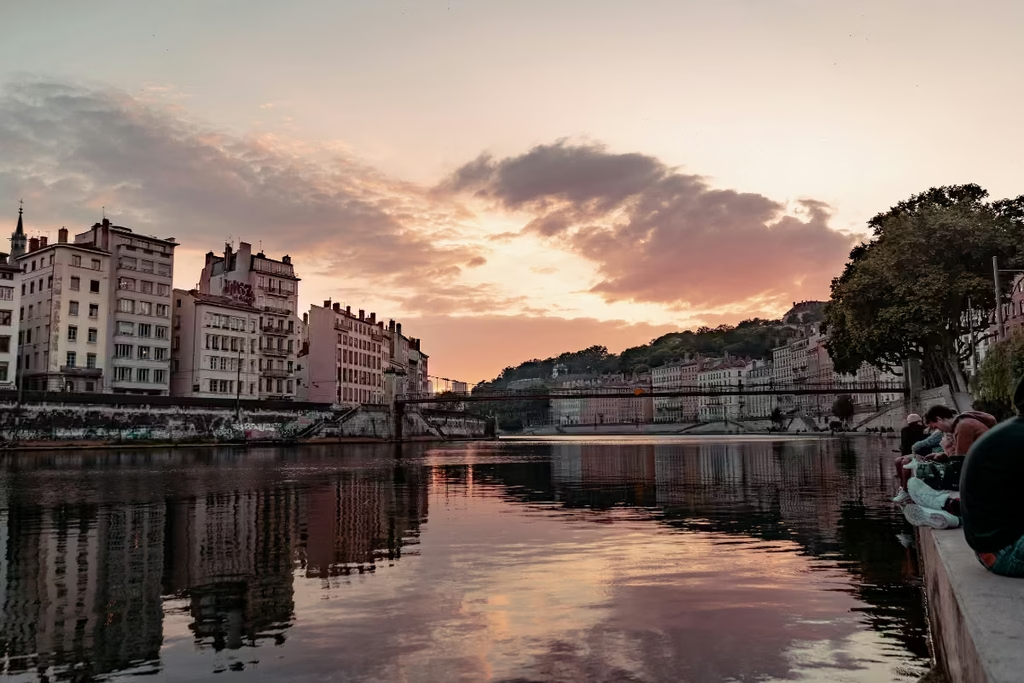
Lyon doesn’t get the tourist numbers of Paris, and that’s part of its appeal. France’s food capital layers Roman ruins, Renaissance architecture in the Vieux Lyon district, and a maze of hidden passageways called traboules, all set at the meeting point of the Rhône and Saône rivers. It’s also, unsurprisingly, one of the best places in the country to eat; the city’s bouchons serve up hearty Lyonnaise classics that are worth planning a day around.
Alsace – Best for Charming Towns and Scenic Landscapes
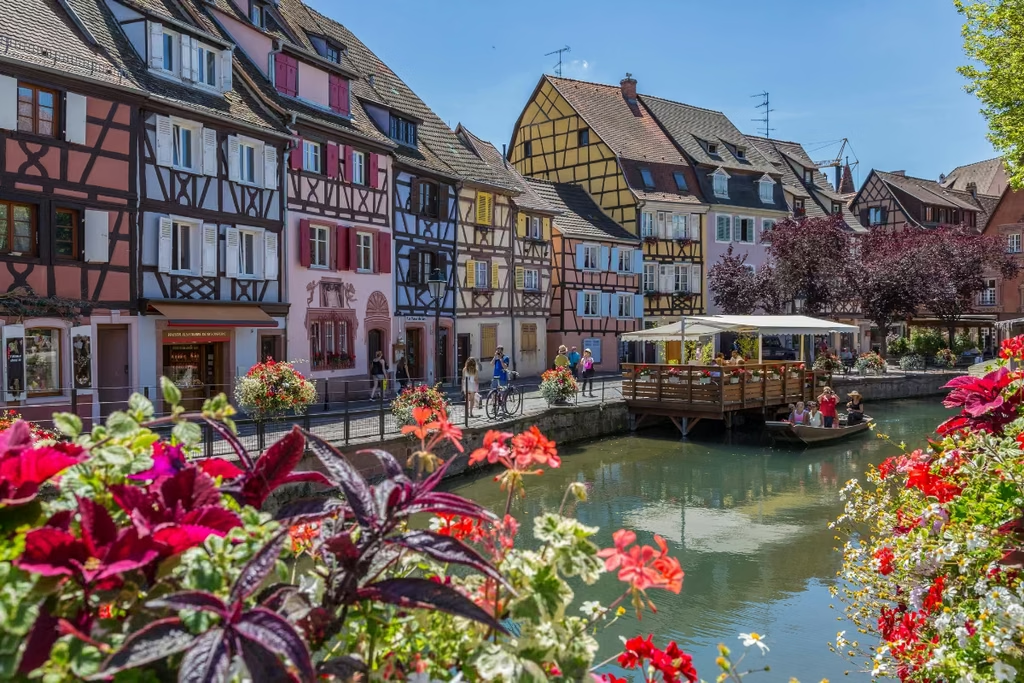
Alsace strings together a run of fairy-tale towns along its famous Wine Route, with Colmar as the standout, canals, half-timbered houses in every pastel shade, and flower boxes that look tended for a photo shoot year-round. The surrounding countryside rolls through vineyards and small villages perched among the hills, and the region’s blend of French and German influence shows up in everything from the architecture to the food (expect choucroute alongside classic French fare). Pair it naturally with a Strasbourg stop, since the two sit close together in the northeast.
Mont Saint-Michel – Best for Medieval History and Architecture
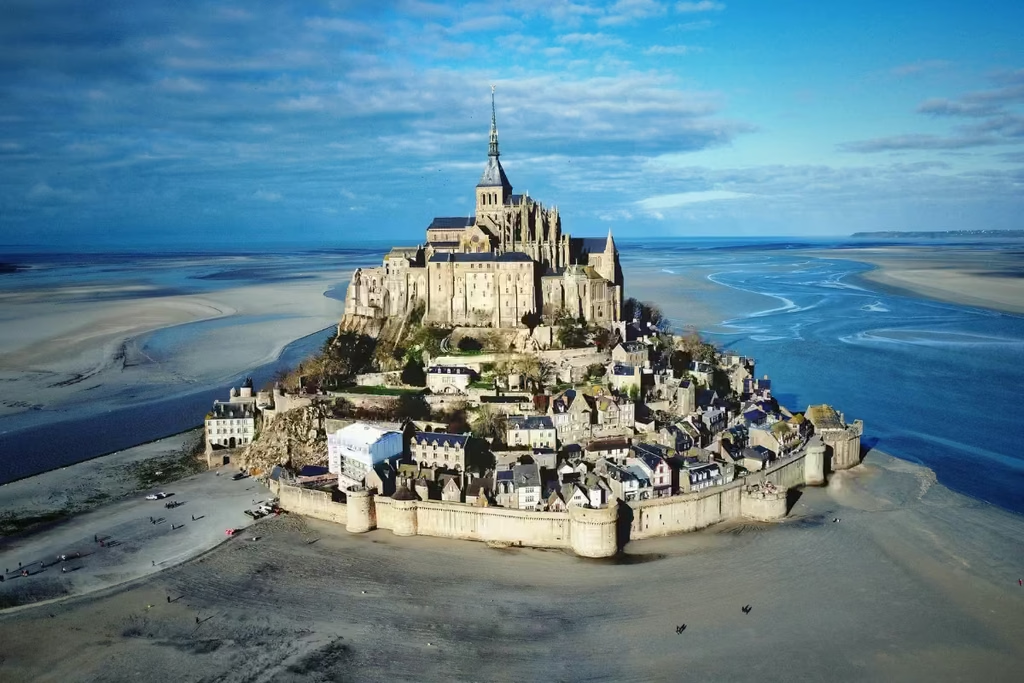
Rising out of tidal flats between Normandy and Brittany, Mont Saint-Michel is one of the most striking sights in France: a fortified medieval abbey perched on a rocky island, ringed by walls and narrow stone streets. Tides here shift dramatically, at times cutting the island off from the mainland entirely, so check tide tables before you visit. It’s a demanding day trip from either Normandy or Brittany, but staying overnight nearby lets you see the abbey lit up at night once the day-trip crowds have cleared out.
Best Places to Visit in France by Travel Style
Best Places to Visit in France for Beaches
The French Riviera leads for glamorous beach towns and clear Mediterranean water, while Brittany’s rugged Atlantic coast offers a wilder, less crowded beach alternative further north.
Best Places to Visit in France for Couples
Provence’s lavender-covered villages and Annecy’s lakeside romance make an easy pairing, with Strasbourg’s old-world charm as a strong pick for a winter getaway.
Best Places to Visit in France for Families
The Loire Valley’s castle-hopping and bike paths keep kids engaged, and Normandy’s beaches and accessible history make it a rewarding stop for older children learning about World War II.
Best Places to Visit in France for History and Culture
Paris and Normandy anchor the must-see historical sites, while Lyon and Mont Saint-Michel round things out with Roman and medieval depth respectively.
Best Places to Visit in France for Nature
Annecy’s alpine lake scenery leads the pack, with Provence’s countryside and the Loire Valley’s river landscapes offering a gentler, pastoral version of French nature.
Best Time to Visit the Best Places in France
Late spring (April–June) and early fall (September–October) are the sweet spot nationwide: mild weather, blooming or still-green countryside, and noticeably thinner crowds than peak summer. July and August bring the warmest Riviera water and Provence’s famous lavender bloom, but also the busiest tourist sites and highest prices, especially in August when much of France itself goes on holiday. Winter suits city breaks well, particularly Strasbourg and Alsace for Christmas markets, while the Loire Valley and Mont Saint-Michel are quieter (and moodier) outside summer.
How to Get Around the Best Places in France
France’s high-speed TGV rail network makes intercity travel remarkably easy, connecting Paris to Lyon, the Riviera, and Strasbourg in just a few hours. For regions like Provence, the Loire Valley, and Alsace, a rental car opens up the small villages and countryside routes that trains don’t reach; driving is comfortable, and the highway network is well-maintained. Within cities, walking and public transit cover most needs, though a car (or a guided tour) is genuinely useful for a Mont Saint-Michel or Normandy landing-beaches day trip.
How Many Days Do You Need to Visit France?
Two weeks is the sweet spot for combining Paris with two or three other regions, like Provence and the Riviera, without feeling rushed. If time is tight, a week is enough to cover Paris plus one nearby region; Normandy or the Loire Valley both work well as an easy add-on. For a deeper trip covering the Alps, Alsace, and the south coast together, budget closer to three weeks.
FAQs About Visiting France
What is the best place to visit in France for the first time?
Paris is the natural first stop for most visitors, both for its iconic landmarks and its easy rail connections to nearly every other region in the country.
What is the most beautiful place to visit in France?
Mont Saint-Michel and Annecy are frequently named among France’s most beautiful spots, alongside the lavender-covered villages of Provence in peak summer bloom.
What are the best places to visit in France for beaches?
The French Riviera is the top beach destination, with Brittany’s Atlantic coastline offering a quieter, more rugged alternative.
How many days do you need to visit France?
Plan for at least seven days to cover Paris and one nearby region comfortably, and two to three weeks if you want to combine several regions like Provence, the Riviera, and the Alps.