
The Best Places to Visit in Spain
Spain rarely lets you get bored. One region does Gaudí’s…

Table of Contents
Spain rarely lets you get bored. One region does Gaudí’s melting, mosaic-covered buildings; another does whitewashed Moorish palaces built into hillsides; another does pintxo bars stacked three deep along a surfable coastline. Add in island getaways in the Mediterranean, a capital with world-class museums, and enough regional food and wine variety to make “Spanish cuisine” feel like an oversimplification, and it’s clear why Spain keeps pulling people back for a second and third trip.
This guide rounds up the best places to visit in Spain by region, by travel style, and by season, so whether it’s your first look at the country or you’re planning a deeper dive, you can put together an itinerary that actually fits what you’re after.
Best Places to Visit in Spain at a Glance
| Destination | Primary Appeal | Recommended Stay | Signature Attraction |
| Barcelona | Modernist architecture & coastal access | 3–4 days | Sagrada Família |
| Madrid | World-class art galleries & nightlife | 3–4 days | Prado Museum |
| Seville | Andalusian heritage & flamenco arts | 2–3 days | Real Alcázar |
| Granada | Palatial Moorish architecture | 2 days | Alhambra complex |
| Valencia | Avant-garde design & culinary origins | 2 days | City of Arts and Sciences |
| San Sebastián | Epicurean culture & urban bays | 2–3 days | La Concha Beach |
| Málaga | Museums & Costa del Sol sunshine | 2 days | Picasso Museum |
| Costa Brava | Hidden inlets & cliffside paths | 3–5 days | Camí de Ronda trail |
| Mallorca | Balearic coves & alpine peaks | 4–7 days | Serra de Tramuntana |
| Santiago de Compostela | Historic pilgrimage end-point | 1–2 days | Santiago Cathedral |
Best Places to Visit in Spain
Barcelona – Best for Architecture, Culture and Mediterranean Scenery
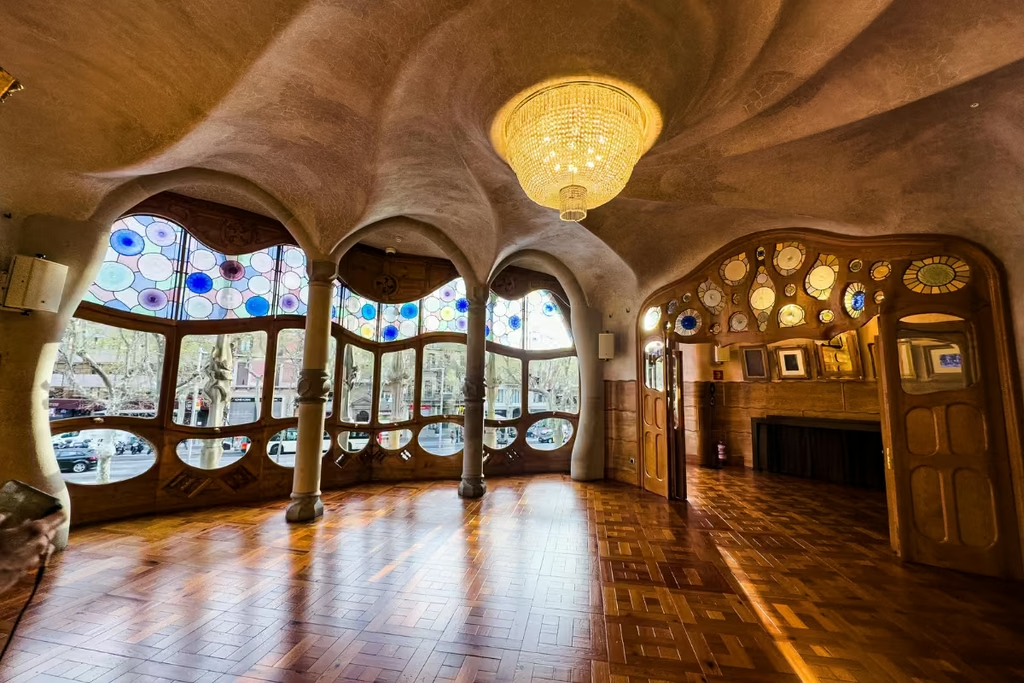
Barcelona rests comfortably between the Mediterranean Sea and the wooded hills of Collserola. Antoni Gaudí’s organic design language defines the skyline, showcasing fluid stonework at the Sagrada Família, Park Güell, and Casa Batlló. The tree-lined promenade of La Rambla directs foot traffic toward the Gothic Quarter, where shadowy stone passageways open into sunlit plazas. Securing timed entry tickets 2 to 3 weeks prior ensures swift access to major landmarks.
Madrid – Best for Museums, Parks and Spanish Culture

Positioned in the geographic center of the Iberian Peninsula, Spain’s elevated capital radiates kinetic energy. The Golden Triangle of Art groups three prominent cultural institutions within short walking distance: the Prado Museum, the Reina Sofía, and the Thyssen-Bornemisza. Following gallery visits, you can unwind in El Retiro Park, an expansive 300-acre green haven with a tranquil boating lake and luminous glass pavilion.
Seville – Best for Historic Architecture and Andalusian Culture
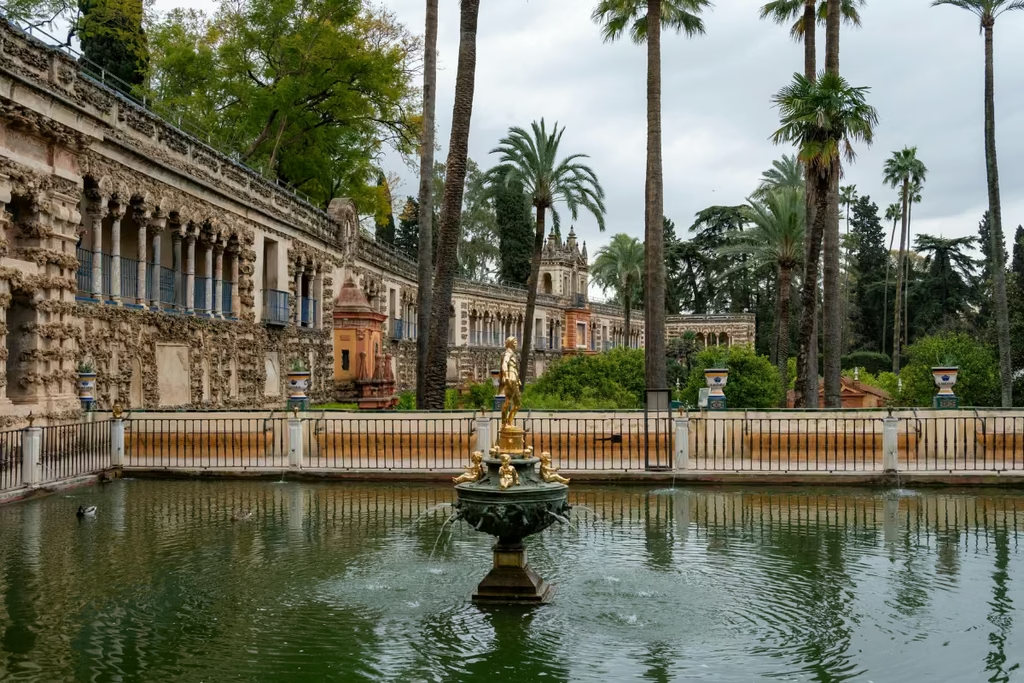
Seville anchors the southern region of Andalusia with tile-adorned courtyards and fragrant orange trees. The Real Alcázar displays delicate Mudéjar carving beside manicured garden terraces. Nearby stands the massive Seville Cathedral, where the iconic Giralda bell tower rewards callers with panoramic urban perspectives. As twilight falls, authentic flamenco performances animate traditional venues across the Guadalquivir River in the Triana district.
Granada – Best for Moorish Heritage and Mountain Views
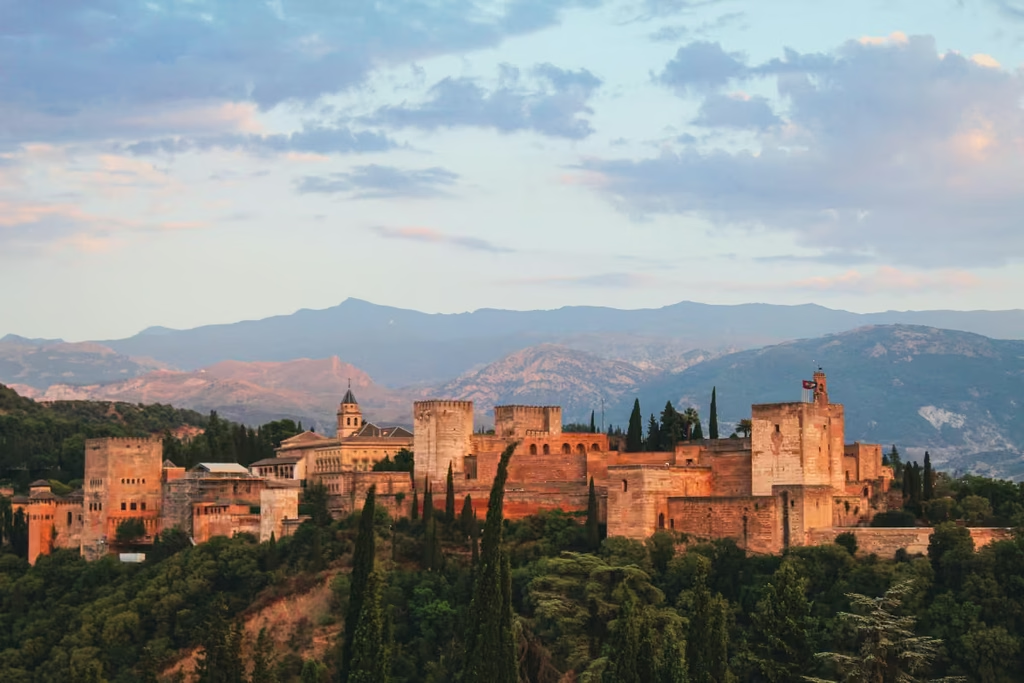
Resting at the foot of the snow-capped Sierra Nevada range, Granada preserves deep historical layers. The Alhambra, a 13th-century Moorish citadel, features ornate plasterwork, cooling water basins, and fortified ramparts. Daily visitor entry is strictly regulated, requiring bookings up to two months ahead. A stroll through the historic Albaicín quarter leads directly to the Mirador de San Nicolás for sweeping vistas.
Valencia – Best for Beaches, Architecture and City Experiences

Valencia harmonizes a preserved historic quarter with striking futuristic design. The City of Arts and Sciences occupies a drained riverbed now converted into a verdant park, housing a science hall, opera auditorium, and Europe’s largest oceanarium. Along Malvarrosa Beach, seaside establishments serve classic paella Valenciana prepared with saffron rice, green beans, chicken, and rabbit over open flame.
San Sebastián – Best for Coastal Scenery and Historic Character
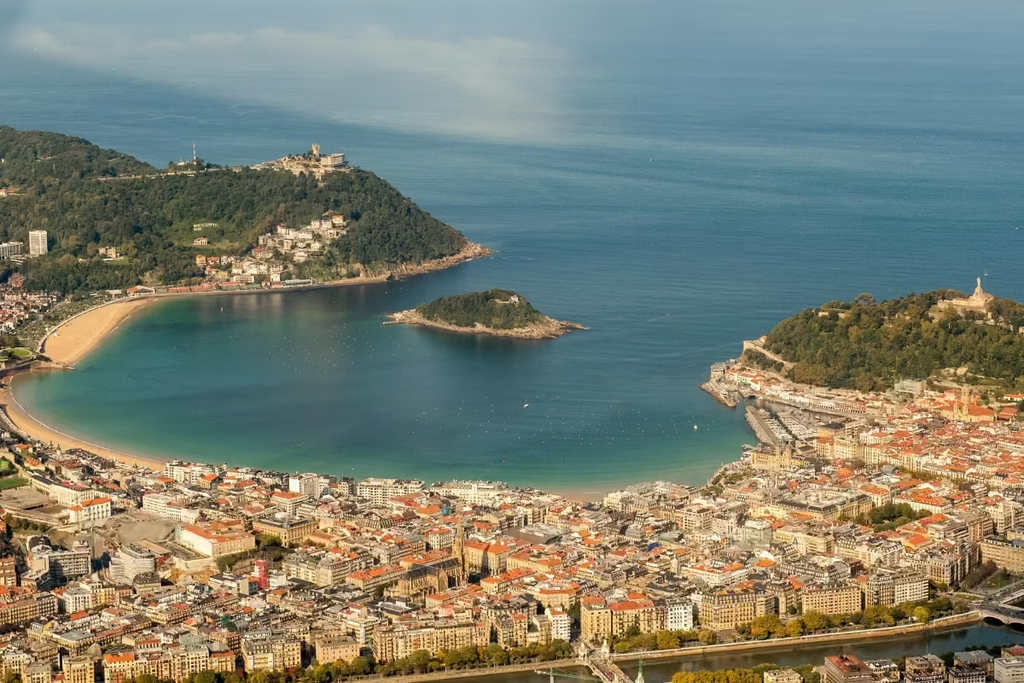
Nestled along the northern Basque coast, San Sebastián curves around the sheltered waters of La Concha Bay. This coastal city maintains a remarkable density of Michelin stars per square kilometer. For a casual dining excursion, explore the crowded bars of the Parte Vieja (Old Town), sampling skewers of pintxos alongside crisp glasses of regional Txakoli wine.
Málaga – Best for Beaches, Culture and Costa del Sol Scenery

Málaga has evolved into a key cultural destination along the sunny southern coast. As the birthplace of Pablo Picasso, the city showcases over two hundred of his works within the restored 16th-century Buenavista Palace. You can climb to the hilltop Gibralfaro Castle for views over the port before walking down to relax on the sandy shores of La Malagueta.
Costa Brava – Best for Coastal Villages and Scenic Beaches

Extending from Blanes north to the French border, Catalonia’s Costa Brava features steep granite cliffs, Mediterranean pines, and clear inlets. Charming coastal municipalities like Calella de Palafrugell and Cadaqués maintain whitewashed charm along the water. The Camí de Ronda coastal path offers accessible walking trails connecting hidden coves and dramatic seaside bluffs.
Mallorca – Best for Island Landscapes, Beaches and Mountain Scenery
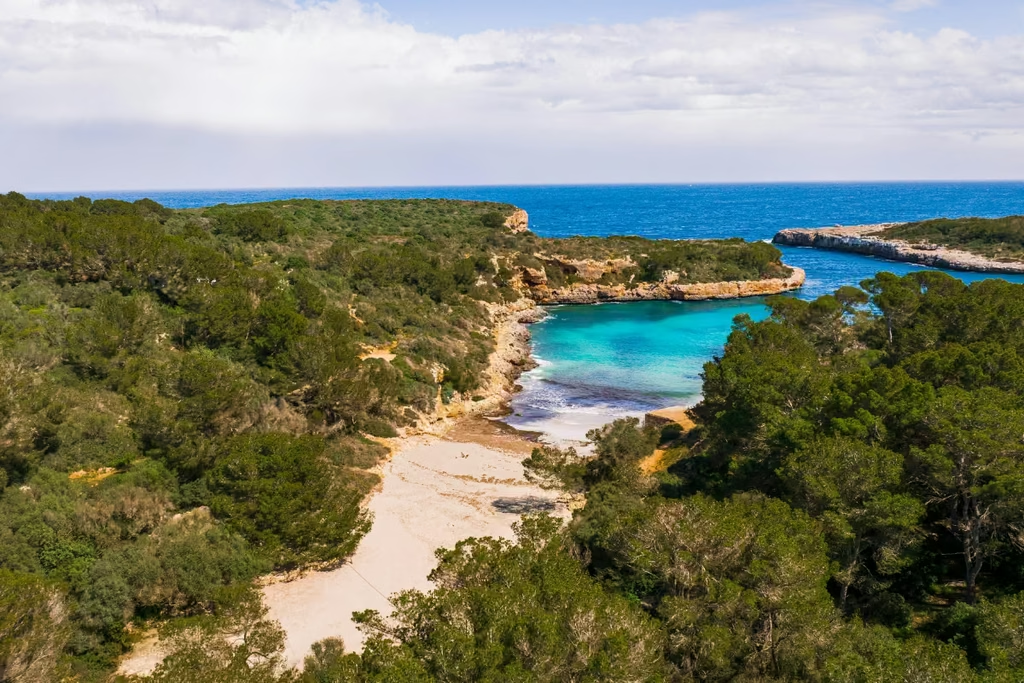
The primary island of the Balearic archipelago provides diverse terrain well beyond its resort strips. Winding roads traverse the rugged Serra de Tramuntana mountains, passing terraced olive groves and historic stone villages like Valldemossa and Deià. Renting a vehicle enables access to secluded eastern coves such as Cala Llombards and Cala Varques.
Santiago de Compostela – Best for Historic Streets and Cultural Heritage
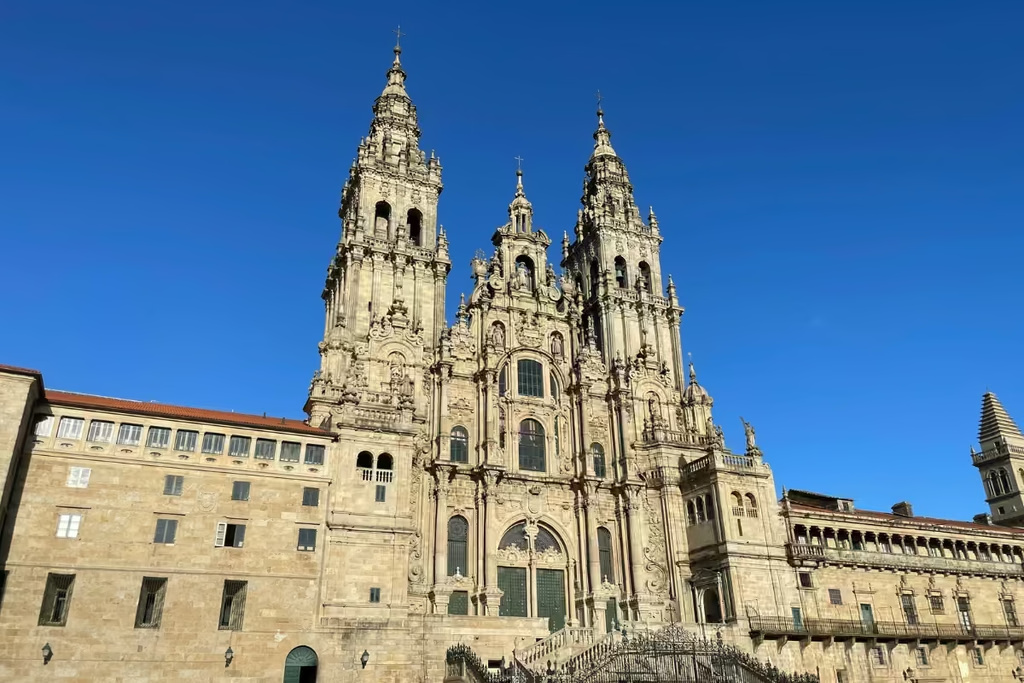
In the green northwestern region of Galicia, Santiago de Compostela serves as the final destination for the Camino de Santiago pilgrimage network. Granite paving stones line the medieval old town, leading pilgrims toward the expansive Plaza del Obradoiro. Inside the massive cathedral, midday mass services occasionally feature the Botafumeiro, a huge censer swung on ropes across the central transept.
Best Places to Visit in Spain by Travel Style
Best Places to Visit in Spain for Beaches
- Costa Brava: Sheer rock faces sheltering clear coves like Cala Aiguablava.
- Mallorca: Turquoise shoreline along Caló des Moro and soft sands at Es Trenc.
- Formentera: Unspoiled beaches and shallow waters accessible by a short ferry from Ibiza.
Best Places to Visit in Spain for Couples
- Seville: Evening walks through the narrow lanes of the Santa Cruz quarter.
- Granada: Golden sunset vistas facing the Alhambra from elevated plazas.
- San Sebastián: Fine dining experiences overlooking the bay illuminated at night.
Best Places to Visit in Spain for Families
- Valencia: Flat terrain, interactive science displays, and safe urban beaches.
- Barcelona: Cable car rides up Montjuïc and colorful park structures.
- Tenerife: Volcanic cable car trips in Teide National Park and large aquatic centers.
Best Places to Visit in Spain for History and Culture
- Madrid: Rich royal collections and sprawling palace estates.
- Toledo: A walled historic city containing preserved churches, mosques, and synagogues.
- Cordoba: Home to the Mezquita-Catedral, famous for its forest of red-and-white stone arches.
Best Places to Visit in Spain for Nature
- Picos de Europa: Limestone peaks, alpine meadows, and deep river gorges.
- Pyrenees: High-altitude mountain paths and pristine glacial lakes near the French border.
- Cabo de Gata-Níjar: Arid coastal terrain, volcanic formations, and wild southern beaches.
Best Time to Visit the Best Places in Spain
Spring (April to June) and autumn (September to October) offer ideal travel conditions across the country. Daytime temperatures during these shoulder seasons range between 65°F and 78°F (18°C to 25°C), ensuring pleasant conditions for city tours and rural hikes.
- Spring (April – June): Ideal for exploring Andalusia and central regions. Countryside wildflowers emerge, and cities celebrate major cultural festivals.
- Summer (July – August): Best for northern coastal regions like Galicia and the Basque Country. Southern cities frequently experience heat exceeding 100°F (38°C).
- Fall (September – October): Comfortable weather across regions, grape harvest season in wine valleys, and warm sea temperatures along the coast.
- Winter (November – March): Low crowd density in major metropolises like Barcelona and Madrid. Skiing opens in the Sierra Nevada while the Canary Islands maintain mild weather around 70°F (21°C).
How to Get Around the Best Places in Spain
- High-Speed Rail (AVE): High-speed trains run by operators like Renfe quickly connect key urban centers. Travel between Madrid and Barcelona takes 2 hours and 30 minutes, while Madrid to Seville takes 2 hours and 20 minutes. Purchasing tickets 30 to 60 days prior secures better pricing.
- Regional Buses and Trains: National bus lines such as ALSA offer regular connections to smaller towns not serviced by rail lines, including coastal villages and mountain settlements.
- Car Rental: Renting a vehicle provides flexibility for exploring rural countryside, island routes in Mallorca, or scenic mountain drives. Avoid driving within historic urban centers due to narrow streets and restricted traffic zones.
- Domestic Flights: Regional flights offer efficient transit to the Balearic and Canary Islands, with frequent daily departures from transport hubs in Madrid and Barcelona.
How Many Days Do You Need to Visit Spain?
- 7 Days: Focus on two major connected centers. Combine Madrid and Seville via high-speed train, or pair Barcelona with a day trip to the Costa Brava.
- 10 Days: Follow a classic itinerary. Allocate 3 days to Madrid, 3 days to Barcelona, 2 days to Seville, and 2 days to Granada.
- 14 Days: Allows for a comprehensive journey. Add northern coastal regions like the Basque Country or take a 4-day excursion to Mallorca.
Best Places to Visit in Spain FAQs
What is the best place to visit in Spain for the first time?
Barcelona and Madrid offer excellent introduction points. Barcelona features coastal views and unique architecture, while Madrid provides world-class art collections and central rail connections for easy day trips to Toledo and Segovia.
What is the most beautiful place to visit in Spain?
Granada offers striking visual appeal due to the dramatic backdrop of the Sierra Nevada mountains framing the historic Alhambra fortress and hillside Albaicín district.
What are the best cities to visit in Spain?
Madrid, Barcelona, Seville, Valencia, and San Sebastián offer a balanced combination of historical monuments, culinary depth, and efficient public transit.
What are the best places to visit in Spain for beaches?
The Costa Brava provides scenic rocky coves, Mallorca features clear turquoise waters, and San Sebastián offers accessible urban bays framed by hills.
What are the best places to visit in Spain for families?
Valencia is exceptionally family-friendly thanks to its flat, walkable design, wide sandy beaches, interactive science center, and large oceanarium.
What are the best places to visit in Spain for couples?
Seville, Granada, and San Sebastián provide romantic atmospheres with traditional courtyard hotels, hilltop sunset lookouts, and seaside dining options.
What are the best places to visit in Spain for history and culture?
Toledo, Cordoba, Granada, and Madrid hold rich architectural traditions reflecting centuries of Roman, Moorish, Jewish, and Christian influence.
What are the best places to visit in Spain for nature?
Picos de Europa National Park, the Pyrenees mountain range, and the volcanic landscapes of Teide National Park in Tenerife offer diverse outdoor environments.
What is the best time to visit Spain?
May, June, September, and October provide pleasant weather, comfortable temperatures, and manageable crowd levels across most regions.
How many days do you need to visit Spain?
A 10-day trip allows sufficient time to experience primary hubs like Madrid and Barcelona along with two southern Andalusian cities without rushing.
What is the best way to travel around Spain?
The AVE high-speed train network offers the most efficient transit between major metropolitan areas, while a rental car works best for rural, coastal, and island explorations.