
The Best Places To Visit In Brazil
Discover the best places to visit in Brazil, from Rio and Bahia to the Amazon, Iguaçu Falls, Lençóis Maranhenses, and Brazil’s best beaches.
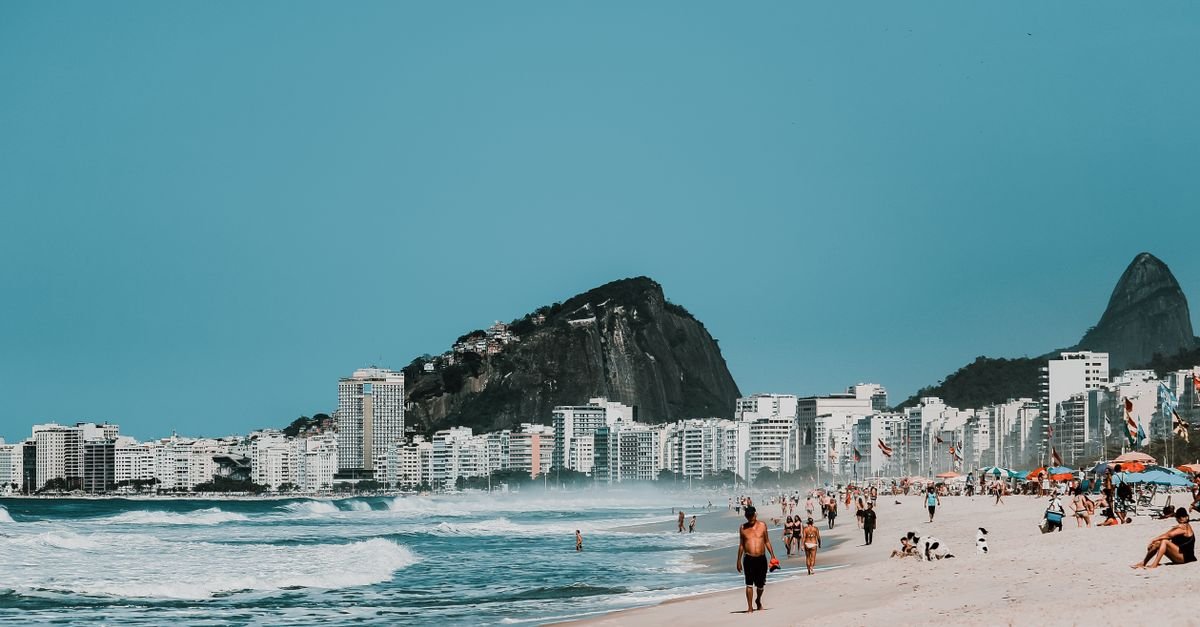
Table of Contents
Brazil is the kind of country that makes one itinerary feel far too small. The best places to visit in Brazil range from Rio de Janeiro’s famous coastline and Salvador’s Afro-Brazilian culture to Amazonian waterways, immense waterfalls, sand dunes, colonial towns, and beaches where the hardest decision is whether to swim or stay in the shade. The scale can feel intimidating, but that variety is exactly what makes Brazil so rewarding for independent travelers.
My advice is to choose a region rather than trying to see everything. Rio works beautifully with the Costa Verde or Minas Gerais. Salvador pairs naturally with Bahia’s beaches. São Paulo makes sense for food and city culture, while the Northeast is ideal if your priority is warm water and long stretches of sand. Wherever you go, leave room for slow mornings, local food, music, and the spontaneous conversations that often become the most memorable part of a trip.
Best Places to Visit in Brazil at a Glance
The best places to visit in Brazil depend on your travel style, but these destinations offer the strongest mix of landscapes, culture, wildlife, and independent travel opportunities.
- Rio de Janeiro – Best for first-time visitors, beaches, viewpoints, and city energy
- Salvador – Best for Afro-Brazilian culture, music, food, and history
- São Paulo – Best for museums, neighborhoods, nightlife, and serious food
- Iguaçu Falls – Best for dramatic nature and an easy adventure stop
- The Amazon – Best for rainforest, rivers, and wildlife-focused travel
- Lençóis Maranhenses – Best for unusual landscapes and active exploration
- Florianópolis – Best for beaches, surfing, and a relaxed coastal base
- Ouro Preto – Best for colonial architecture, art, and mountain history
Rio de Janeiro: The Best Starting Point for Brazil
Rio de Janeiro is the best place to begin a first trip to Brazil because it combines beaches, mountains, music, neighborhoods, and major landmarks in one lively setting. Sugarloaf Mountain and Corcovado are the obvious viewpoints, but the city becomes more interesting when you look beyond the classic postcard stops.

I’d divide time between the waterfront and the neighborhoods behind it. Copacabana and Ipanema are convenient for a first visit, while Botafogo, Santa Teresa, Lapa, and Flamengo each offer a different rhythm. You can spend one day walking along the shore, another exploring galleries and cafés, and another taking in the city from above. Rio rewards curiosity, so don’t treat it as a collection of viewpoints to tick off.
The city also makes a useful base for travelers who enjoy meeting people. Beach life, hostels, language exchanges, live music, and informal food spots create plenty of natural opportunities to socialize without needing a rigid plan. I’d still keep the practical side in mind: use official transport or reputable transfers, take local advice about neighborhoods and routes, and avoid carrying valuables unnecessarily. That isn’t a reason to skip Rio; it’s simply part of traveling thoughtfully in a huge city.
For a broader South American trip, you could compare Rio’s urban energy with the best places to visit in Australia, another destination where beaches, cities, and big landscapes compete for your time.
Salvador and Bahia: The Heart of Brazil’s Culture
Salvador is the strongest destination in Brazil for travelers who want history, music, food, and living culture to sit at the center of the trip. The city’s African, Indigenous, and Portuguese influences are visible in its architecture, religious traditions, dance, and cuisine, and the atmosphere changes from one neighborhood to the next.
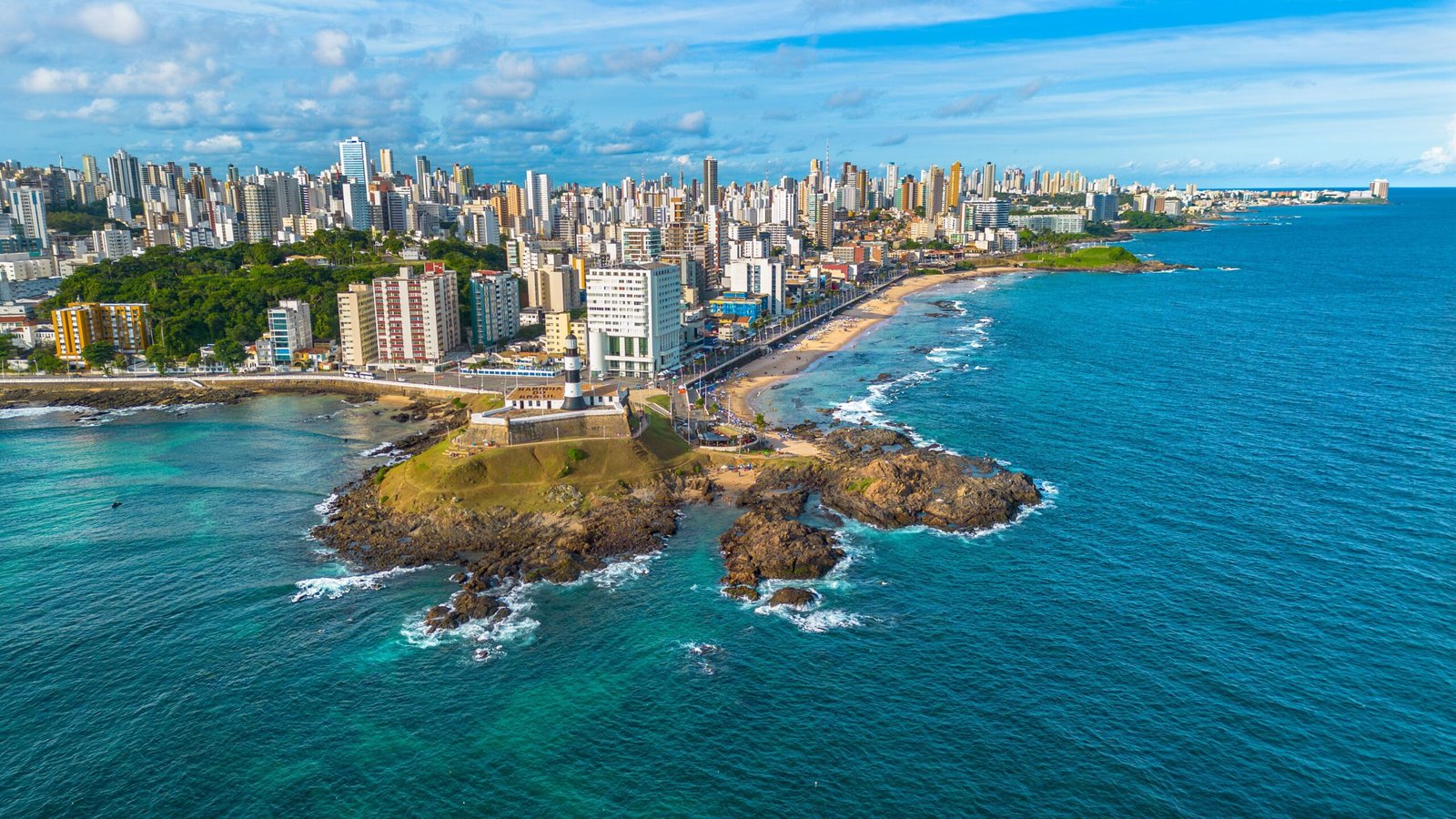
The Pelourinho district is the historic centerpiece, with colorful façades, churches, steep streets, and courtyards that often fill with music. It’s worth exploring early in the day and then returning in the evening when the city’s cultural life becomes more apparent. Don’t limit yourself to beautiful buildings, though. Try Bahian dishes such as acarajé and moqueca, listen to live percussion, and make space for conversations with local guides, cooks, and artists.
Bahia is much larger than Salvador. If you have extra time, continue toward the beaches and smaller towns along the coast. Morro de São Paulo and Praia do Forte are popular choices, while Chapada Diamantina offers waterfalls, trails, caves, and a very different inland landscape. Transport takes planning, so select one area rather than trying to combine every beach and national park in one rushed route.
Salvador is also a useful reminder that Brazil’s culture is not an add-on to its scenery. A beach can be beautiful, but the music coming from a neighborhood square, the food shared at a casual table, or the history behind a festival may be what stays with you longest.
São Paulo: Brazil’s Best City for Food and Culture
São Paulo is the best Brazilian destination for travelers who prefer museums, restaurants, neighborhoods, and late-night city life to resort scenery. It is enormous and at first can feel difficult to read, but that scale creates an extraordinary range of experiences.
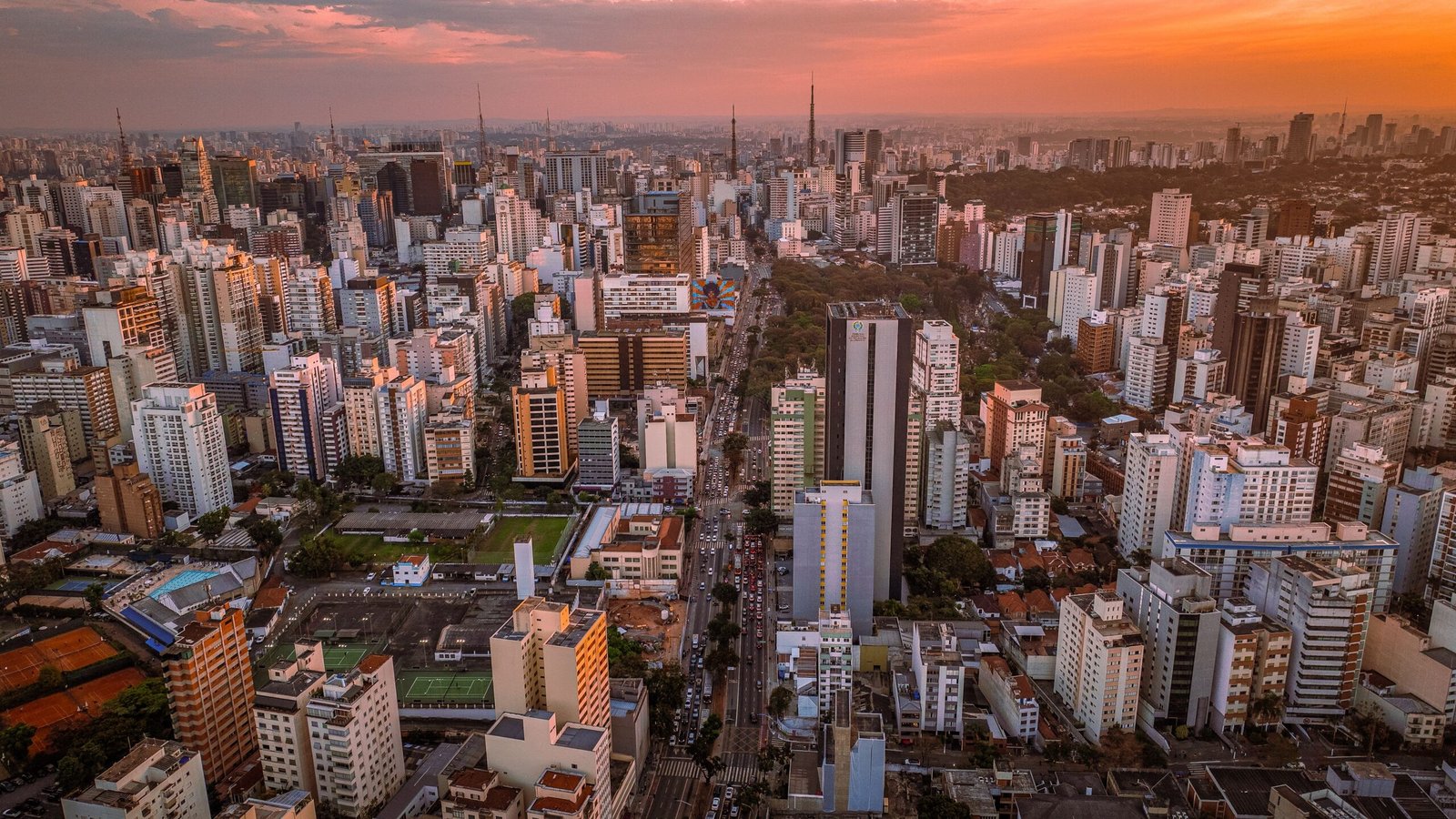
Spend time in more than one neighborhood. Avenida Paulista brings together cultural institutions, bookstores, galleries, and an energetic urban scene, while Liberdade reflects the city’s Japanese-Brazilian heritage through food, shops, and street life. Vila Madalena is known for art and nightlife, and the city’s markets are a good way to sample regional ingredients without committing to a formal meal.
Food is the real reason I’d add São Paulo to a longer itinerary. Brazilian cuisine changes dramatically between regions, and São Paulo is where those traditions meet immigrant influences and contemporary cooking. Look for casual restaurants, bakeries, pastel stalls, and busy local spots rather than assuming the best meal will come with the highest price.
São Paulo works especially well for solo travelers who enjoy creating their own days. You can visit a museum alone, join a food tour, sit at a counter, or use a hostel common room as a starting point for meeting other travelers. It’s not the easiest city for an unplanned first day, so save the address of your accommodation, group activities by neighborhood, and give yourself time to adjust.
Iguaçu Falls: Brazil’s Most Dramatic Natural Stop
Iguaçu Falls is the place to choose when you want a major natural spectacle that can fit neatly into a wider Brazil itinerary. The falls spread across the border region between Brazil and Argentina, with walking routes and viewing areas on both sides offering different perspectives.

The Brazilian side is known for broad panoramic views, while the Argentine side allows visitors to approach the water through a network of paths and viewpoints. If your schedule and border requirements allow it, seeing both sides makes the experience feel much more complete. Check current entry conditions and park information before traveling, because access arrangements can change.
Plan for wet weather even if the forecast looks kind. Spray can reach viewing paths, and waterproof protection for phones or cameras is sensible. Comfortable shoes matter more than a stylish outfit, especially if you want to spend a full day moving between viewpoints.
Foz do Iguaçu is more than a quick photograph stop. The surrounding region offers other attractions and cross-border cultural experiences, but the falls should remain the anchor. I’d give the area enough time to enjoy the landscape at a measured pace rather than squeezing it between exhausting travel days.
The Amazon: Rainforest, Rivers, and a Slower Brazil
The Amazon is Brazil’s best destination for travelers who want wildlife, river travel, and a deeper connection with one of the world’s most important ecosystems. Manaus is the most common gateway, but the experience you have depends heavily on the community, lodge, or boat operator you choose.
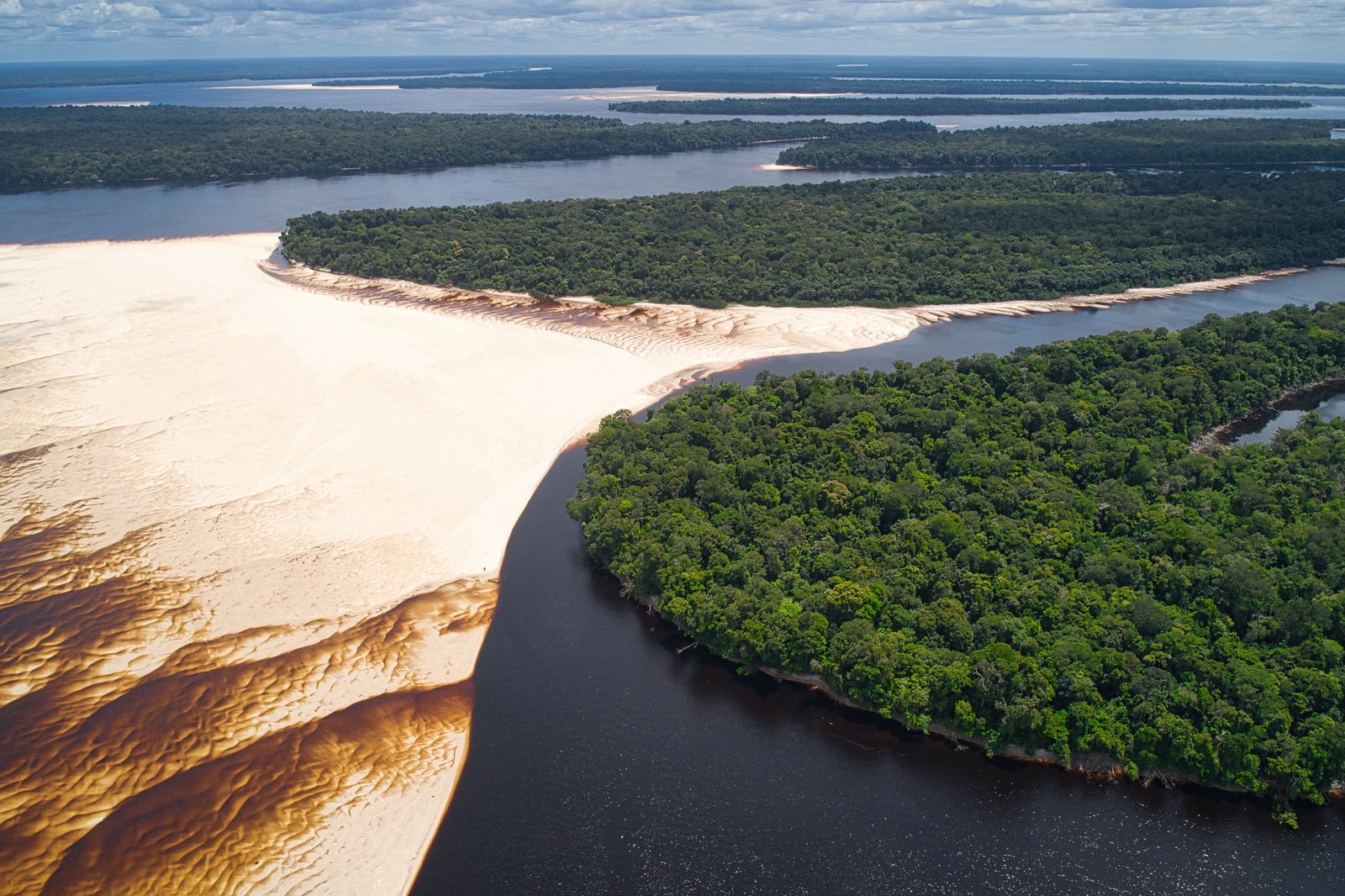
A responsible Amazon trip should focus on local knowledge and low-impact activities. Look for operators that employ local guides, explain how they support nearby communities, limit group sizes where possible, and treat wildlife with respect. Canoe excursions, forest walks, night outings, and visits to riverside communities can all be meaningful when they are organized with care.
Don’t arrive expecting a wildlife checklist. The forest is not a zoo, and sightings depend on water levels, weather, season, and luck. What you will notice is the rhythm of the place: wide rivers, intense humidity, unfamiliar sounds, changing light, and a daily routine shaped by water. That slower pace is part of the point.
Pack light, breathable clothes, protection from insects, a dry bag, and patience. Ask your accommodation what equipment is supplied before buying everything yourself. If you’re traveling alone, a small-group lodge or boat trip can offer the best balance between independence and practical support.
Lençóis Maranhenses and Brazil’s Northeast
Lençóis Maranhenses is one of Brazil’s most unusual landscapes: pale sand dunes interrupted by seasonal freshwater lagoons. The park is the right choice for travelers who want a visually distinctive adventure and don’t mind putting in extra effort to reach a more remote region.
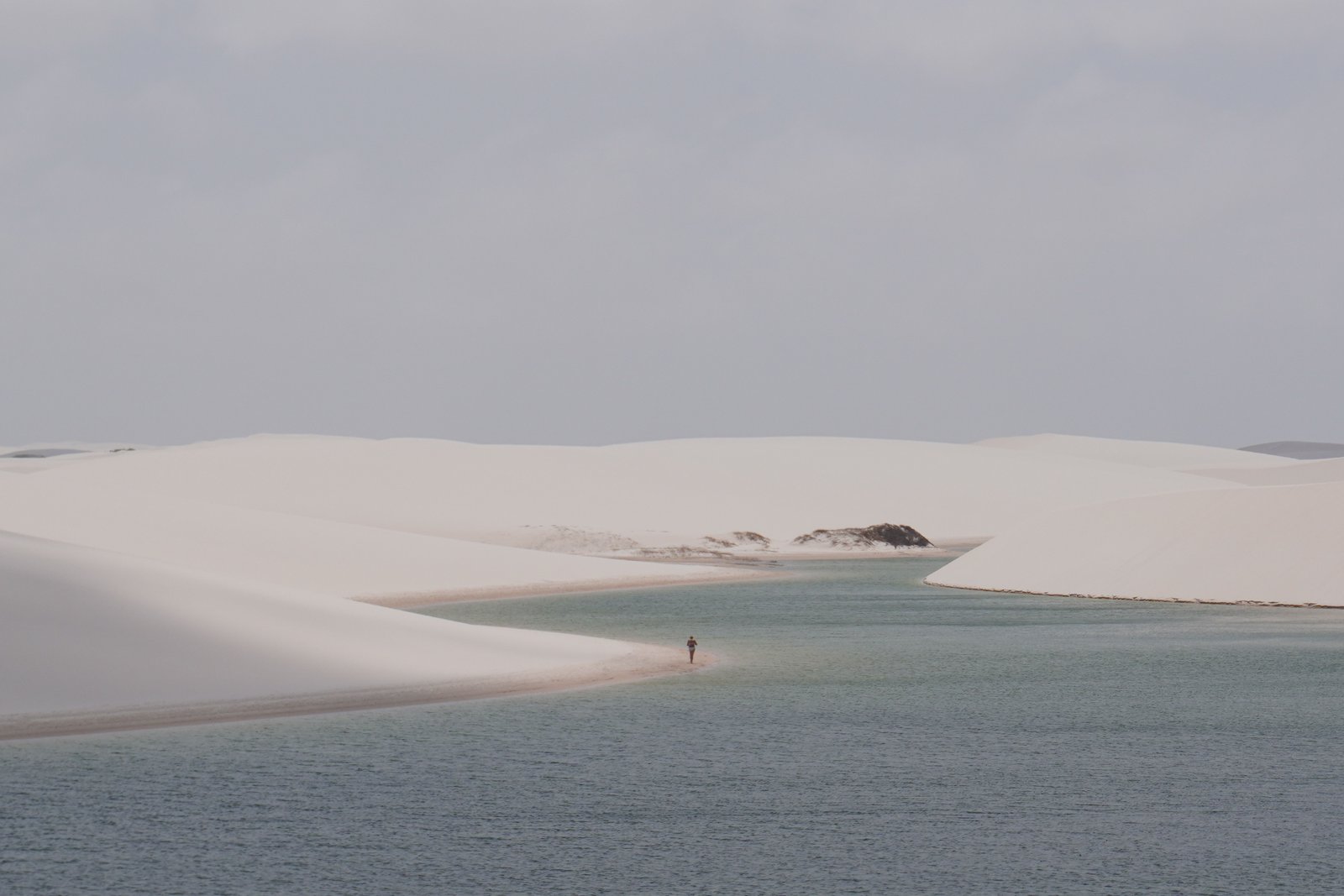
Barreirinhas is the most common base, while Atins appeals to travelers who prefer a smaller, more laid-back atmosphere and outdoor activities. Depending on conditions, visitors explore by vehicle, on foot, or across the water in the lagoons. Always check the current condition of routes and lagoons before planning a visit, since the landscape changes with rainfall and the calendar.
The Northeast has far more to offer than Lençóis Maranhenses. Jericoacoara is popular for dunes, lagoons, and wind sports, while Natal, Recife, João Pessoa, and Fortaleza provide different combinations of beaches, urban culture, and regional food. The coast is long enough that you’ll have a better experience choosing a section instead of trying to collect every famous beach.
This is also where I’d slow down most. Base yourself in one town, learn the local transport options, eat seafood and regional snacks, and let the weather shape your plans. Brazil’s Northeast is ideal for travelers who want a social beach trip without spending every day inside a resort.
Florianópolis, Ouro Preto, and Other Places Worth Adding
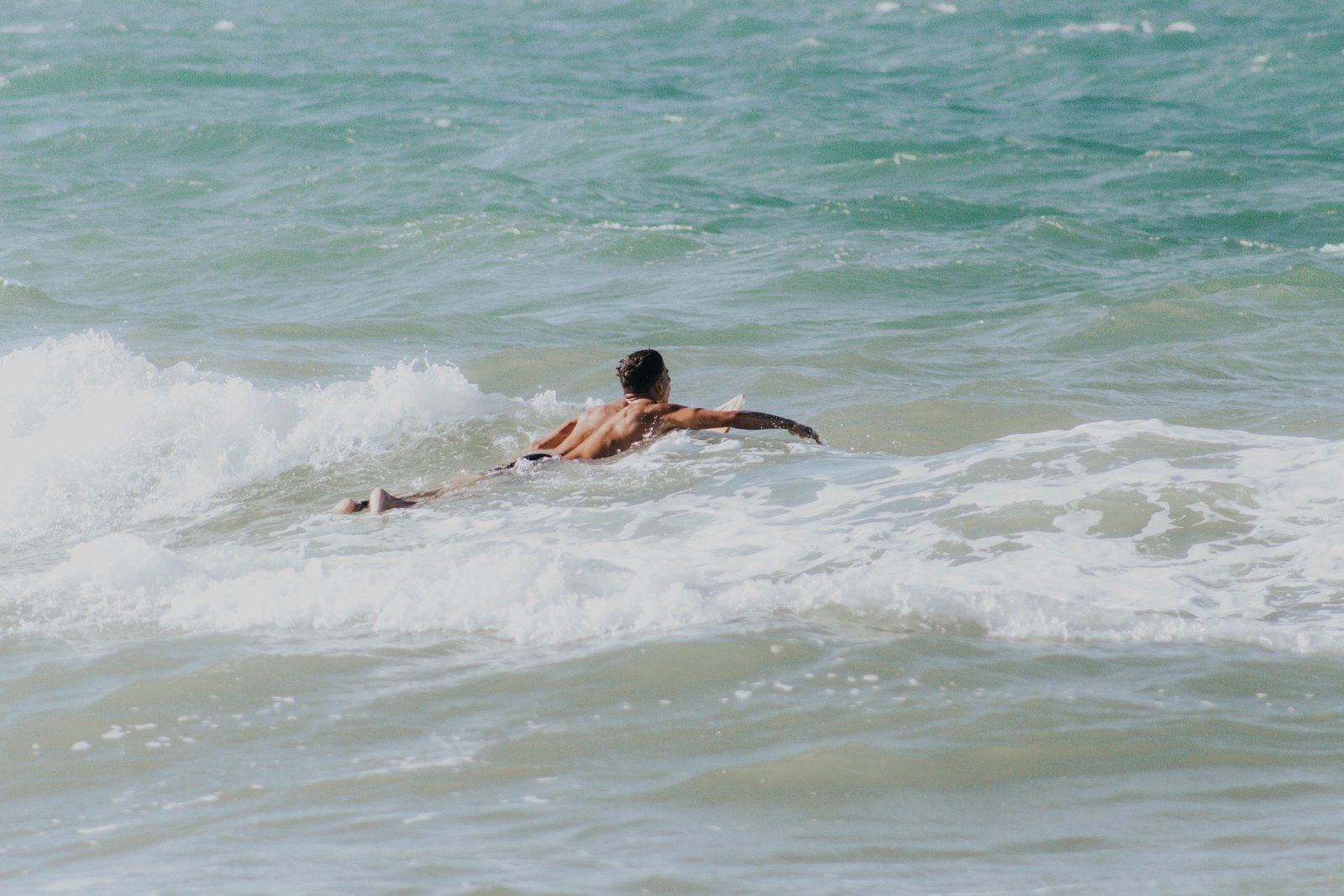
Florianópolis is a strong choice for travelers who want beaches with a more independent, outdoorsy feel. The island and surrounding mainland include sandy bays, hiking routes, surf breaks, and neighborhoods with very different personalities. It suits a longer stay because you can combine active mornings with relaxed afternoons without needing to change accommodation every night.
Ouro Preto offers a completely different experience. Set among the hills of Minas Gerais, the historic town is known for colonial buildings, churches, museums, steep streets, and a strong connection to Brazil’s mining history. It’s a good destination for architecture and art, but bring shoes you trust on uneven slopes. The nearby towns of Mariana and Congonhas can add further historical depth.
For beaches and a slower pace, consider Paraty on the Costa Verde. Its historic center, forested coastline, and access to boat trips and islands make it a natural companion to Rio. For serious hiking, Chapada Diamantina and Serra dos Órgãos are worth researching separately, especially if you enjoy multi-day trails and mountain scenery.
Brazil has enough variety that you don’t need to follow a standard route. If you’re also comparing destinations across North Africa, our guide to the best places to visit in Morocco offers another example of how culture, coast, mountains, and desert can fit into one country while still demanding careful planning.
How to Plan a Brazil Trip
The best Brazil itinerary starts with geography. Rio, São Paulo, Iguaçu Falls, Bahia, the Amazon, and the Northeast are not interchangeable quick stops. Choose two or three areas based on your interests, then check the transport connections before booking anything nonrefundable.
Domestic flights are often the practical option for long distances, while buses can work well between nearby cities and regional destinations. Compare the full journey rather than only the travel time: airports may sit outside city centers, and bus stations can be large and busy. Save accommodation details in Portuguese, keep a backup of important documents, and download maps for offline use.
Brazilian Portuguese is useful even if you only learn a few phrases. English is not guaranteed outside major hotels and tourist services, so a translation app and a friendly willingness to communicate go a long way. I’d also ask accommodation staff about local transport, neighborhoods, and current conditions rather than relying entirely on old online advice.
Budget travelers can keep costs manageable by eating at local restaurants, choosing guesthouses or hostels, using public transport where appropriate, and staying longer in fewer places. Costs vary by city, season, accommodation, and activity, so build the trip around experiences rather than assuming Brazil has one national price level.
When to Visit Brazil
Brazil is too large for one simple best season. Summer runs from December through February and brings beach energy, holiday celebrations, and heavier demand in many coastal destinations. It can also be hot and humid, with regional rainfall affecting plans. Winter, from June through August, is cooler in the south and can be a comfortable period for cities, while northern destinations remain much warmer.
For the Amazon, Pantanal, Lençóis Maranhenses, and mountain areas, research the specific season for the activity you want. Water levels, rain, road access, trail conditions, and wildlife visibility can all change through the year. Don’t book an experience based only on a photograph without checking current local information.
If your travel dates are flexible, November can be a useful month to compare with Brazil, particularly for travelers weighing warm-weather destinations elsewhere. Our guide to the best places to visit in November is a helpful starting point for thinking about seasonal alternatives.
How Many Days Do You Need in Brazil?
You can enjoy one Brazilian region in a week, but a first trip covering several distinct landscapes deserves at least two weeks. The key is resisting the temptation to add destinations simply because flights make them look close on a map.
- Five to seven days: Focus on Rio, or choose Salvador with one nearby beach destination.
- Ten days: Combine Rio with Iguaçu Falls, or São Paulo with a carefully chosen coastal route.
- Fourteen days: Build a balanced trip around Rio, Bahia, and one nature-focused destination.
- Three weeks or more: Add the Amazon, Lençóis Maranhenses, Pantanal, or a longer Northeast route without turning every day into a transfer.
My favorite way to plan a large country is to choose one anchor experience first. Maybe it’s Carnival, rainforest travel, a week of beaches, or hiking in Bahia. Once that is fixed, add destinations that complement it rather than competing with it.
Brazil Travel FAQs
What is the best place to visit in Brazil for the first time?
Rio de Janeiro is the easiest all-round starting point because it combines beaches, landmarks, neighborhoods, food, and access to nearby destinations. Add Salvador for culture or Iguaçu Falls for nature.
What are the most beautiful places to visit in Brazil?
Rio’s coastline, Iguaçu Falls, Lençóis Maranhenses, the Amazon, Chapada Diamantina, and Brazil’s Northeast beaches all offer very different kinds of beauty. Choosing depends on whether you prefer cities, forests, dunes, mountains, or the ocean.
Is Brazil good for solo travelers?
Yes, especially in cities and established backpacker destinations where hostels, group tours, and local activities make meeting people straightforward. Plan transport carefully, follow current local advice, and stay aware of your surroundings.
What is the best Brazil itinerary?
For a first trip, Rio, Iguaçu Falls, and Salvador create a strong mix of city life, nature, and culture. With more time, add the Northeast for beaches or the Amazon for rainforest travel.
Is Brazil expensive for budget travelers?
Brazil can work for a range of budgets, but the biggest differences usually come from internal transport, accommodation, major events, and organized excursions. Local restaurants, longer stays, and fewer flights help keep a trip under control.
What should I eat in Brazil?
Try regional dishes wherever you travel: moqueca in Bahia, acarajé in Salvador, pão de queijo in Minas Gerais, fresh seafood on the coast, and street snacks such as coxinha and pastel. Ask locals what is distinctive in that region rather than searching only for familiar food.
What should I do next?
Pick the Brazilian experience that excites you most, then build a realistic route around it. Start with the official transport and destination information for your chosen region, reserve the key accommodation or tour, and leave a few unplanned days for the discoveries that rarely appear on a map.