
Best Time to Visit Croatia: By Months & Seasons
Plan the best time to visit Croatia with practical month-by-month advice on weather, crowds, coast, inland travel, festivals, and budget trips.
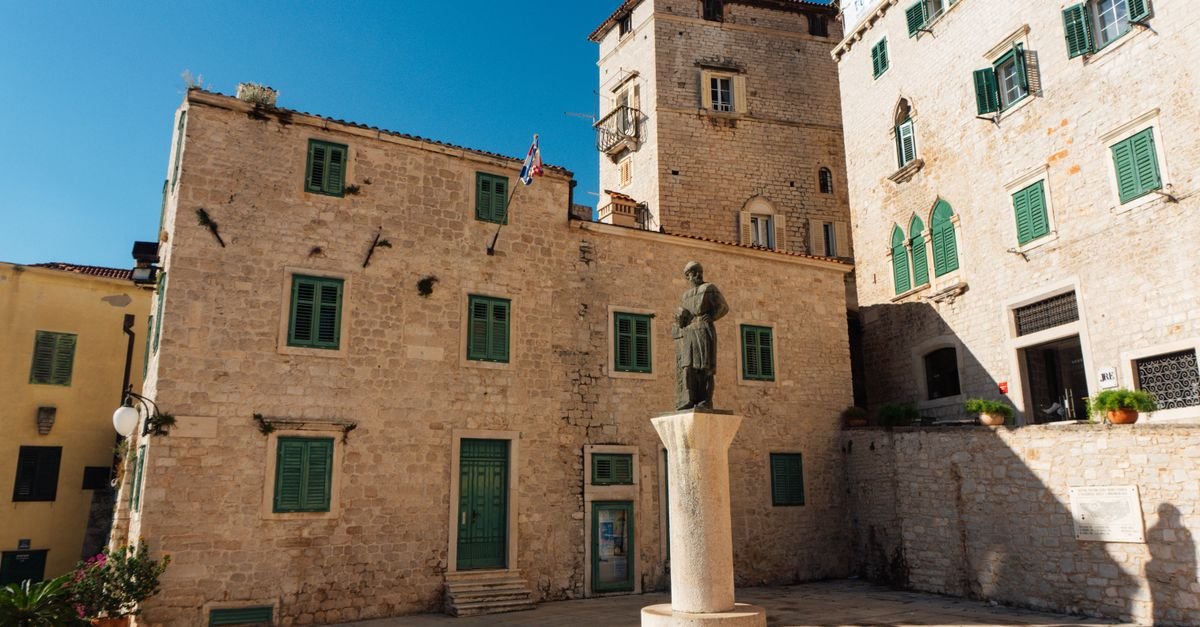
The best time to visit Croatia depends on the kind of trip you want to build. Long, sunny days are tempting if your dream involves swimming between island stops, while spring and autumn can be better for walking through historic towns, hiking, and traveling with fewer people around. Winter brings a quieter, more local side of the country, especially away from the coast.
I wouldn’t choose dates based on weather alone. Croatia changes considerably between the Adriatic coast, the islands, the mountains, and inland cities. Your ideal month also depends on your budget, tolerance for crowds, interest in local events, and whether you want a relaxed road trip or a classic beach holiday. Here’s how I’d think through the seasons before booking.
Table of Contents
Best Time to Visit Croatia at a Glance
The best overall time to visit Croatia is usually the shoulder season, particularly late spring or early autumn, when you can combine pleasant conditions with a more manageable pace. Summer remains the easiest choice for dependable beach weather and a full calendar of coastal activity, but it is also the period when popular places feel busiest.
- For swimming and island-hopping: Choose the warmer summer months and book accommodation and transport well ahead.
- For fewer crowds: Consider late spring or early autumn, while checking local ferry, attraction, and accommodation arrangements.
- For hiking and cycling: Spring and autumn are often more comfortable than the hottest part of summer.
- For festivals and outdoor events: Start with the event you care about, then confirm its current dates before booking.
- For lower costs: Compare shoulder-season dates and inland bases rather than assuming one national low season.
- For a first trip: Combine one coastal city, one island or coastal town, and one inland destination.
The most important planning decision is whether your route is coast-focused or country-focused. A trip built around Dubrovnik, Split, and island ferries follows a different seasonal rhythm from one that includes Zagreb, national parks, small inland towns, and mountain landscapes.
Croatia by Season: What Each Period Is Best For
Each Croatian season offers a different balance of weather, availability, events, and atmosphere, so there isn’t one perfect answer for every traveler.
Spring in Croatia
Spring is a strong choice for travelers who want to walk, explore historic centers, and spend time outdoors without making the entire trip about beach weather. The coast begins to feel lively again, while inland landscapes become appealing for hiking, cycling, and scenic drives.
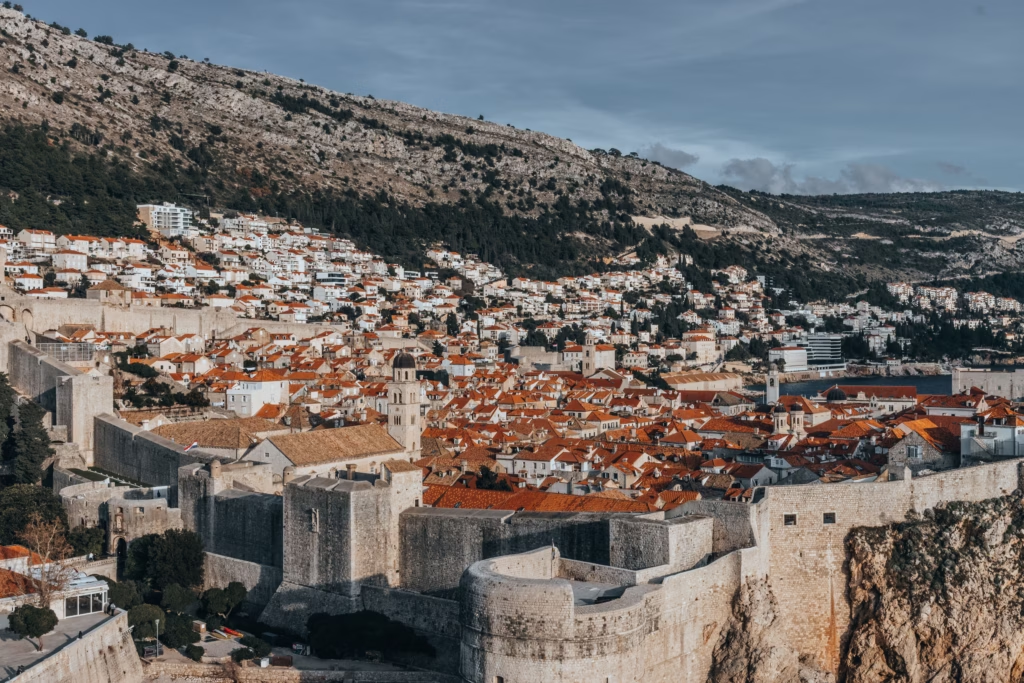
I like the flexibility spring offers in theory: you can plan a morning around a historic town, stop for a long lunch, and still have energy for a coastal walk later. The trade-off is that sea temperatures and weather can be less predictable than during the height of summer. Pack layers, a light waterproof jacket, and shoes that can handle uneven stone streets and damp paths.
Spring is also useful for independent travelers who want to spend more time talking with local hosts and less time navigating packed attractions. Some seasonal businesses may not operate every day, however, so check current opening information rather than assuming that a summer schedule applies.
Summer in Croatia
Summer is the best season for travelers who prioritize swimming, boat trips, island-hopping, late evenings, and a lively coastal atmosphere. The Adriatic is the center of attention, and popular destinations can become especially busy during the main holiday period.
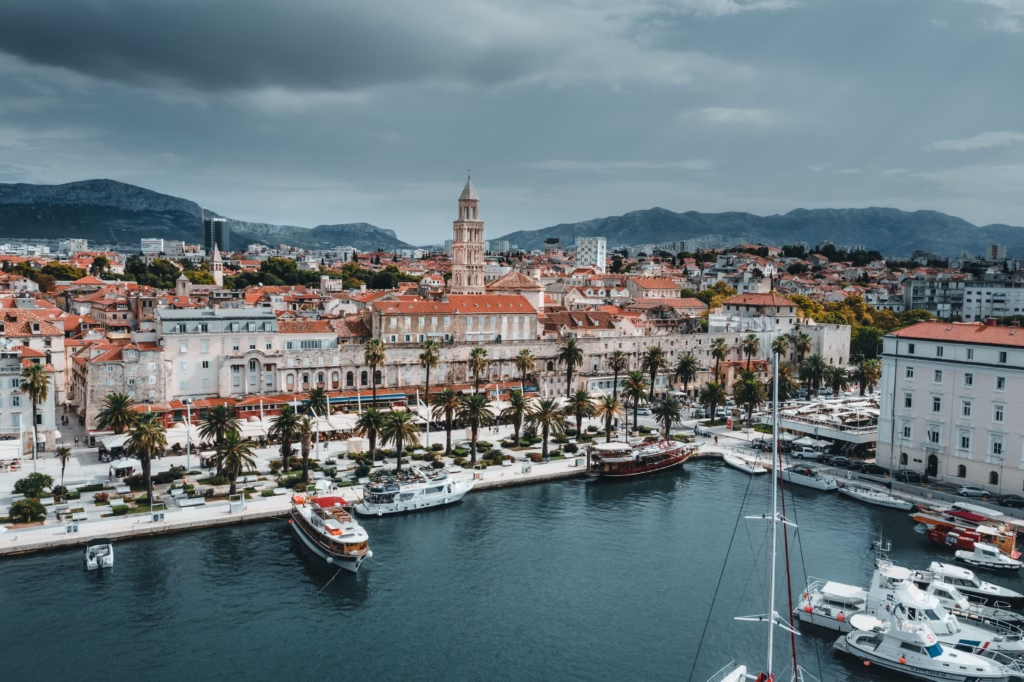
Summer makes spontaneous travel harder in the places everyone wants to visit. Rooms, ferries, tours, and restaurant tables can become scarce, particularly when your route depends on a specific island connection. I’d reserve the parts of the trip that are difficult to replace, then keep a few days open for weather and local recommendations.
Heat also changes the way you travel. Plan walking and sightseeing early, carry water, and leave the middle of the day for a swim, a long lunch, or a shaded museum. If you want a social trip, summer hostels and group activities can make meeting people easy. If you want quiet beaches and slow mornings, look beyond the most famous coastal bases.
Autumn in Croatia
Autumn suits travelers who want a calmer coastal trip, comfortable city walks, local food, and a chance to combine the coast with inland landscapes. The sea may remain inviting early in the season, while later autumn is better approached as a cultural and outdoor travel period rather than a guaranteed beach holiday.
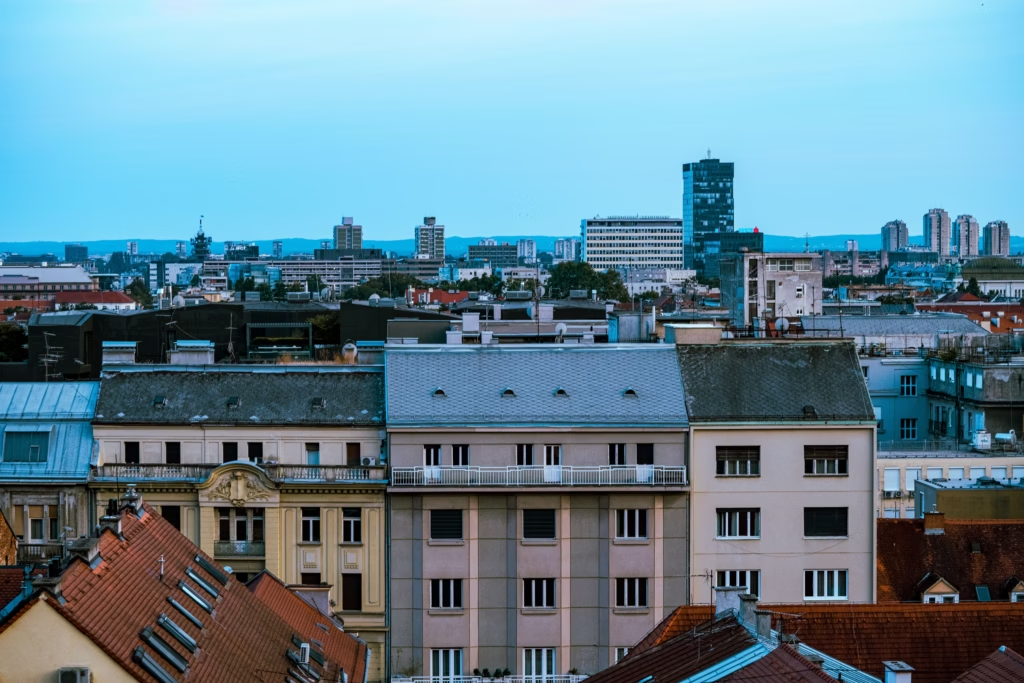
This can be a rewarding time for solo travelers. With fewer visitors competing for attention, it’s easier to settle into a neighborhood café, join a walking tour, browse a market, or ask a host where people actually eat. Weather can shift, so build some flexibility into outdoor plans and avoid making one boat trip the foundation of the whole itinerary.
Winter in Croatia
Winter is the quietest option for travelers who want historic cities, local routines, museums, food, and lower-season atmosphere rather than a classic Adriatic beach trip. Coastal towns can feel very different outside the main visitor period, with fewer businesses operating for tourists and a slower daily rhythm.
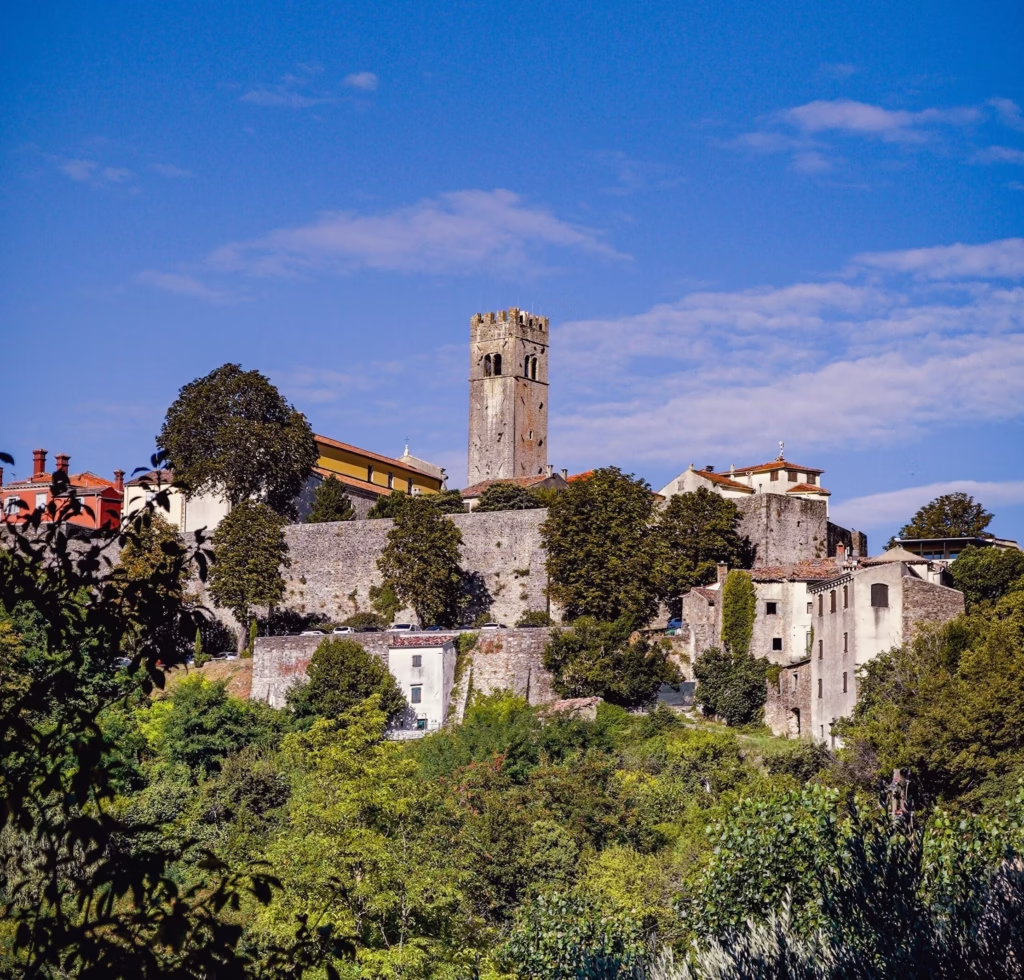
Winter also works best when you choose a small number of bases. Some islands and coastal villages have limited services outside the busiest months, so check transport and accommodation carefully before committing. Zagreb and other inland cities can provide a more reliable cultural base, while the coast is better for travelers who enjoy quiet streets and flexible expectations.
Croatia Weather by Month: Choosing Your Travel Window
Croatia’s weather varies by region, but a month-by-month approach can help you match your dates to your priorities without pretending that every part of the country feels the same.
January to March
The first part of the year is best for travelers focused on museums, food, architecture, local life, and a quieter city break. Coastal destinations can be peaceful, while inland areas may offer a cooler, more seasonal experience. Outdoor plans should remain flexible, especially in mountain regions.
This is not the easiest window for a traditional island-hopping itinerary. Transport may be less frequent and some seasonal businesses may be closed or operating on reduced schedules. If you travel during this period, choose accommodation with a comfortable indoor space and verify connections before moving between islands.
April to June
Late spring is one of the most versatile periods for Croatia. You can combine historic cities, national parks, coastal walks, food experiences, and selected boat trips without placing all your hopes on hot beach weather.
June begins to feel more summery, especially along the coast, but conditions and crowd levels can vary by location. This is a useful period for travelers who want a balance between activity and breathing room. I’d still check water temperatures, ferry arrangements, and event dates for the exact year of travel.
July to August
These are the months to consider when beach time, swimming, sailing, and outdoor coastal events are your main reasons for visiting. The long days make it possible to fit a lot into an itinerary, but heat and demand can make popular places tiring if you plan too aggressively.
Book early if you need a particular location or transport connection. For a more comfortable budget trip, consider staying just outside the busiest historic center, traveling slowly between fewer bases, and eating one or two streets away from the waterfront. You’ll often get a better sense of everyday life that way, too.
September to December
September can offer a particularly appealing mix of coastal time, warm-weather activities, and fewer visitors than the height of summer. As autumn progresses, the trip becomes more about food, culture, walking, and inland exploration.
October through December can be a good fit for travelers who prefer atmosphere over guaranteed beach weather. Check event calendars, attraction schedules, and ferry services close to departure. A flexible plan matters more as the year moves toward winter.
Best Time to Visit Croatia for Beaches and Islands
The best time for Croatian beaches and islands is the warmer part of the year, but the right month depends on whether you want dependable swimming conditions, lively nightlife, or a quieter coastal experience.
Summer is the simplest choice for a beach-first trip. You can build days around swimming, kayaking, sailing, and sunset walks, but you’ll need to accept higher demand and a less spontaneous travel style in the most popular areas. Reserve essential accommodation and check current ferry information before setting off.
Late spring and early autumn can be better for travelers who care about space, photography, hiking, and unhurried meals as much as swimming. The coast may feel more relaxed, but sea conditions and operating schedules can be less predictable. Keep a backup plan that doesn’t depend on a boat or a full beach day.
Island-hopping is exciting, but it can become exhausting when every night is in a different place. I’d choose one or two islands that match your interests and stay long enough to explore beyond the harbor. A quiet morning walk, a family-run meal, or a conversation with a host can be more memorable than collecting another ferry ticket.
Croatia Events and Festivals: How to Plan Around Them
Croatian events can add music, food, heritage, religious tradition, and local energy to a trip, but event calendars change, so always confirm current details with the official organizer or local tourism authority.
Summer is generally the period when coastal towns host the fullest range of outdoor cultural programming. You may find concerts, film screenings, food celebrations, harbor events, traditional performances, and nightlife-focused gatherings. The exact atmosphere differs widely: one event may be family-oriented and community-led, while another is built around international visitors.
When choosing an event, ask yourself whether you want it to shape the whole trip or simply become one evening within a broader route. Booking an entire holiday around an unconfirmed date is risky. Confirm the location, dates, ticket arrangements, transport, and accommodation demand before paying for non-refundable plans.
Local religious and cultural celebrations can be especially meaningful, but they should be approached respectfully. Dress appropriately where required, ask before photographing people or ceremonies, and observe before joining in. The goal isn’t to turn a community tradition into a personal photo opportunity.
If you enjoy music events, keep your itinerary flexible around late nights and transport. If you prefer food and heritage, look for smaller town celebrations and market-focused events rather than only searching for major international festivals. Check the current year’s program, because names, dates, venues, and formats can change.
Best Time to Visit Croatia for Fewer Crowds and Better Value
The best time for a quieter and potentially better-value Croatia trip is usually outside the busiest summer period, but savings depend on the destination, your accommodation style, and how much transport you use.
Compare the total cost rather than looking only at nightly rates. A cheaper room on the edge of a destination may require more taxis or transfers, while staying longer in one place can reduce transport costs and give you better access to local restaurants. Hostels, guesthouses, and apartments can all work well for budget-conscious travelers, but availability varies by season.
In shoulder season, I’d prioritize flexibility. Instead of reserving every night months ahead, book the first base and the experiences that genuinely sell out, then use local advice to shape the rest. This works particularly well for solo travelers who want to meet people and avoid moving through Croatia on autopilot.
For broader destination inspiration, compare Croatia’s coastal route with the best places to visit in Nicaragua, another destination where weather, beaches, inland adventures, and transport choices can shape the budget in very different ways.
Where to Go in Croatia by Season
The best Croatian destination for your dates depends on the season, your transport plans, and whether you want the coast, cities, nature, or a mixture of all three.
Dubrovnik suits travelers drawn to historic architecture, sea views, cultural walks, and a strong coastal identity. It can feel especially busy in the peak season, so early starts and advance planning help. Outside summer, check which businesses and activities remain open.
Split works well as a practical base for combining city life with coastal excursions and nearby islands. Its historic core, food scene, and transport connections make it appealing to first-time visitors, although summer demand can be intense.
Zagreb is a useful choice for a city-focused trip, especially when you want museums, cafés, markets, architecture, and a more urban rhythm. It also gives you a different view of Croatia from the Adriatic coast and can help balance a summer itinerary.
Istria appeals to travelers who care about food, wine, hill towns, coastal scenery, and slower road-trip travel. Spring and autumn can be particularly attractive for exploring at an unhurried pace, but confirm seasonal opening arrangements before planning around a specific restaurant or producer.
National parks and mountain areas are best approached with current weather and access information. Conditions can change, and a route shown in an old guide may not be appropriate on your travel date. Pack proper footwear, carry water, and choose guided activities when the terrain or weather demands it.
If you’re comparing different European travel styles, our guide to the best places to visit in Bolivia offers a much more high-altitude itinerary, while Croatia is better suited to travelers who want to combine historic towns, islands, food, and accessible outdoor experiences.
How to Plan a Croatia Itinerary Around the Seasons
A seasonal Croatia itinerary works best when you match the route to the weather and avoid trying to see every region in one trip.
- Choose your main experience. Decide whether the trip is primarily about beaches, islands, food, history, nature, nightlife, or local events.
- Pick two or three bases. A city, an island or coastal town, and an inland stop can create variety without constant packing.
- Keep weather-sensitive plans movable. Boat trips, hikes, and beach days should not all depend on one exact date.
- Check current transport information. Confirm ferry routes, event logistics, park access, and local operating arrangements close to travel.
- Leave space for ordinary days. Markets, cafés, neighborhood walks, and long meals are part of understanding Croatia.
For a longer trip, you can link Zagreb or another inland base with the Adriatic coast, but don’t underestimate the energy required for frequent transfers. A route that looks efficient on a map may feel rushed once you account for checkouts, stations, ports, delays, and waiting around.
Independent travel is often more enjoyable when you plan the structure but leave the details open. Reserve your arrival night, any non-negotiable event, and accommodation in the busiest destinations. Then ask local hosts where they would spend a free afternoon or which nearby place is worth the effort.
For another varied European route, you can also browse the best places to visit in Guatemala. The climates and landscapes are different, but the same planning principle applies: choose a few regions and give each enough time.
What to Pack for Croatia in Each Season
A flexible packing list is more useful than packing for one perfect forecast, particularly when your route combines the coast, cities, and inland areas.
- Comfortable shoes for cobbled streets, steps, and uneven paths
- Light layers for changing temperatures and air-conditioned transport
- Swimwear, sun protection, and a reusable water bottle for coastal travel
- A compact waterproof layer for spring, autumn, or mountain trips
- A secure day bag for ports, markets, and long sightseeing days
- Modest clothing for religious or community spaces
- Waterproof protection for your phone, documents, and camera near the coast
- Any personal medication and a small basic first-aid kit
In summer, breathable clothing and a hat matter more than packing lots of outfits. In spring and autumn, add a warmer layer for evenings and inland travel. If you plan to hike, ask about the route before deciding that sandals or casual trainers will be enough.
Croatia Travel FAQs
What is the best month to visit Croatia?
There is no single best month for everyone. Choose the warmer summer period for swimming and a full coastal calendar, or consider late spring and early autumn for a more balanced mix of pleasant conditions, sightseeing, and fewer crowds. Always check the specific regions on your route.
Is Croatia expensive in summer?
Costs vary by destination, accommodation, dates, and travel style. Popular coastal areas can be more expensive during the busiest period, so compare shoulder-season dates, stay longer in fewer places, use local restaurants, and check what transport is included in your plans.
Can you visit Croatia in winter?
Yes, if you want quieter cities, local food, museums, architecture, and a slower coastal atmosphere. Winter is less suitable for a classic island-hopping and beach itinerary, so confirm seasonal transport and business opening arrangements before traveling.
How many days do you need in Croatia?
A week can work for one city and one coastal base. Ten days to two weeks gives you more room to combine the coast with an island, inland city, or nature-focused stop. I’d rather explore fewer places properly than spend the whole trip moving between ports and bus stations.
Is Croatia good for solo travelers?
Yes. Hostels, walking tours, group excursions, language exchanges, cafés, and organized outdoor activities can make it easy to meet people, particularly in larger coastal cities. Traveling outside the busiest season can also create more natural opportunities to connect with local hosts.
What should you do next?
Start by choosing your priority: swimming, islands, historic cities, food, hiking, or events. Select a travel window that supports it, check current transport and event information, and reserve only the parts of the route that truly need advance planning. If you’re still comparing destinations, the best time to visit Puerto Rico guide offers another warm-weather option with a different island travel rhythm.