
Best Places to Visit in El Salvador: 10 Must-See Spots
Explore the best places to visit in El Salvador, from surf beaches and volcanoes to Lake Coatepeque, coffee towns, markets, and San Salvador.

The best places to visit in El Salvador bring together Pacific beaches, surf towns, volcanoes, crater landscapes, lakes, coffee country, markets, and lively urban culture. What I like about planning a trip here is the variety: you can move from the coast to the highlands and back without building an exhausting cross-country itinerary.
El Salvador is compact, but that doesn’t mean you should rush through it. The most rewarding route leaves room for a long meal, an unplanned market stop, a conversation with a guesthouse host, or a weather change that moves your hike to another day. If you’re traveling solo, beaches, hostels, surf schools, walking tours, and shared excursions also make it easier to meet people without joining a group for the whole trip.
Here are ten places and experiences I’d consider when building an independent El Salvador itinerary. I’ve included practical ways to choose between them, because the right stop depends on whether you care most about surfing, landscapes, food, local culture, or a slower pace.
Table of Contents
Best Places to Visit in El Salvador at a Glance
The best places to visit in El Salvador include a mix of coastal bases, highland landscapes, cultural stops, and everyday local spaces rather than only one type of attraction.
- San Salvador: Begin with museums, food, neighborhoods, and useful connections for exploring other regions.
- El Tunco: Choose this Pacific beach base for surfing, sunsets, and an easy social atmosphere.
- Santa Ana Volcano: Plan a weather-sensitive hike to one of the country’s most striking crater landscapes.
- Lake Coatepeque: Slow down beside a volcanic lake and build in time for water-based plans.
- Ruta de las Flores: Travel through coffee landscapes, small towns, viewpoints, and local food experiences.
- The Pacific coast: Look beyond one famous beach and choose a shoreline that matches your pace.
- Volcano country: Add another outdoor stop if you want forests, elevation, and changing scenery.
- Coffee country: Use inland towns and coffee landscapes to experience a calmer side of the country.
- Local markets: Make room for food, conversation, and ordinary shopping rather than sightseeing alone.
- Historic towns: Explore plazas, bakeries, churches, and community life at a slower rhythm.
For a first trip, I’d combine San Salvador, one coastal base, and one highland or coffee-focused stop. That gives you a strong introduction without spending every morning packing and transferring.
1. San Salvador: Start with the Capital
San Salvador is the best starting point for travelers who want museums, food, urban neighborhoods, local culture, and access to several different regions.
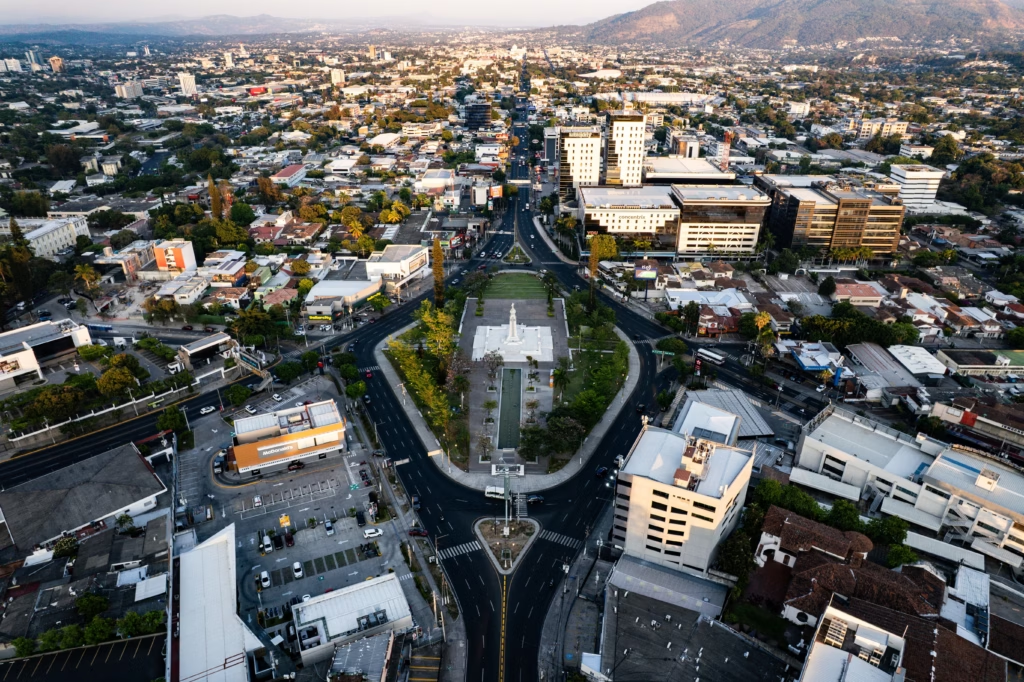
A capital city can sometimes feel like a practical place to sleep before the “real” trip begins, but I wouldn’t treat San Salvador as disposable. Give yourself time to explore its cultural side, try local food, browse markets, and notice how the city changes between daytime errands and evening social life. Museums and neighborhood walks are useful on days when weather interrupts an outdoor plan, too.
San Salvador is also a natural base for meeting other travelers. Hostels, guesthouses, walking tours, language exchanges, and organized day trips can create easy social opportunities for solo visitors. You can spend a morning with new people and still have dinner alone or follow your own plans later.
Keep your schedule realistic. Rather than trying to visit every neighborhood in one day, choose one area and explore it properly. Ask your accommodation about current transport arrangements and which places make sense together. Local advice can save you from building an itinerary that looks efficient on a map but feels tiring in practice.
2. El Tunco: Surf, Sunsets, and Social Travel
El Tunco is one of the best places to visit in El Salvador if your ideal trip includes surfing, Pacific sunsets, casual beach restaurants, and natural opportunities to meet other travelers.
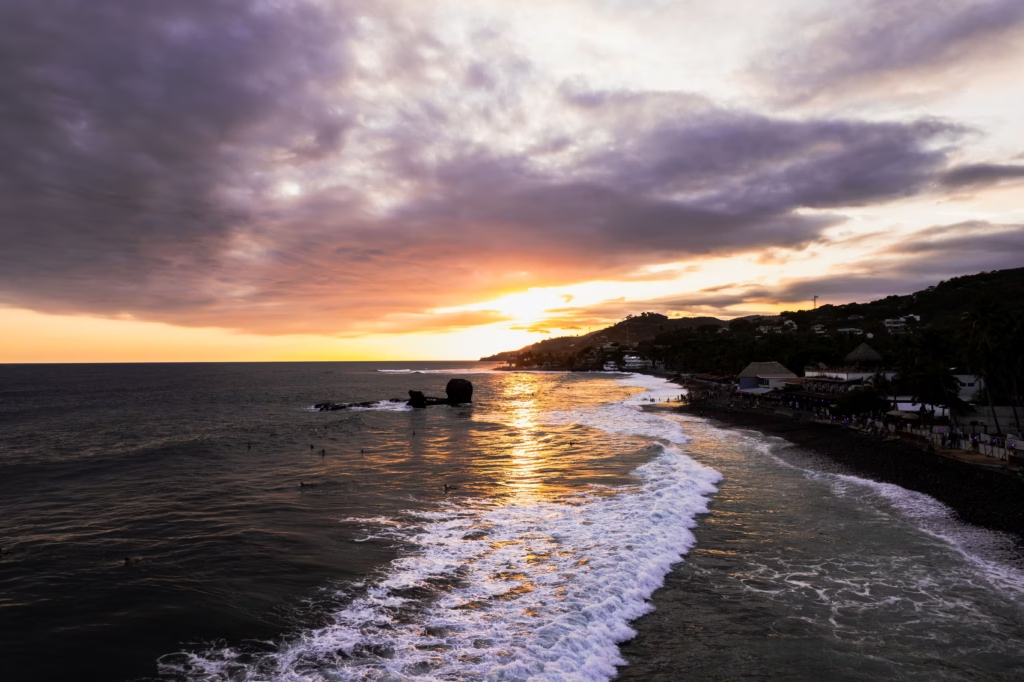
The town’s appeal is its surf-centered rhythm. You can take a lesson, rent equipment, watch more experienced surfers, or simply spend time near the coast without making surfing your entire personality. If you’re learning, choose an established local school and ask about the beach, equipment, instructor experience, and conditions expected for your ability.
I’d stay several days rather than squeezing El Tunco into one rushed afternoon. Surf conditions change, and beginners often appreciate a recovery day between lessons. That extra time also lets you eat locally, talk with guesthouse owners, and explore beyond the main strip.
The Pacific coast deserves respect, even when the water looks calm. Ask locally about currents, access, and current swimming conditions, and don’t assume every stretch of shoreline suits a casual swim. Pack sun protection, quick-drying clothing, a reusable bottle, and a secure way to protect your phone from sand and water.
If you’re choosing your dates around beach time, our guide to the best time to visit El Salvador can help you think through seasons, surf, rain, hiking, and flexible planning.
3. Santa Ana Volcano: A Big Outdoor Day
Santa Ana Volcano is one of the best places to visit in El Salvador for hikers who want a dramatic crater landscape and a clear contrast with the Pacific coast.
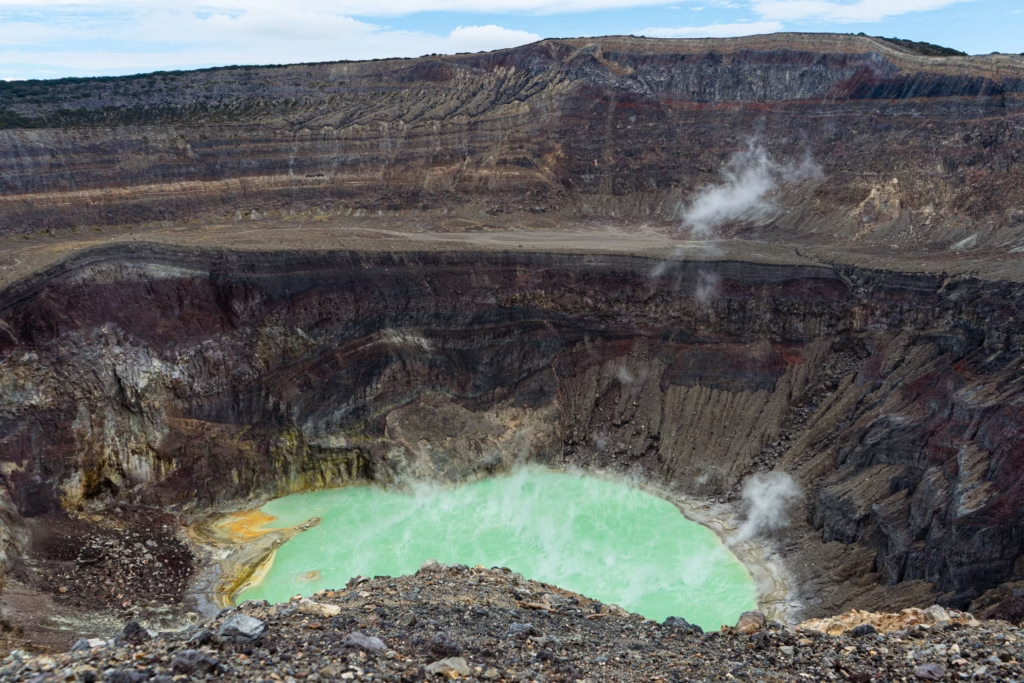
A volcano day is not something I’d lock into the first available morning without checking conditions. Cloud can cover a viewpoint, rain can change the character of a trail, and current access arrangements may affect how you plan the outing. Ask locally about trail conditions, guides, transport, water, footwear, and any current rules before setting out.
Choose a route that matches your fitness and experience. A popular hike is not automatically simple, especially when you add heat, elevation, uneven ground, and a return journey. If you’re traveling alone, tell someone your plan and avoid treating a busy trail as a substitute for preparation.
Bring comfortable shoes with grip, sun protection, plenty of water, a light rain layer, and a warmer layer for changing conditions. I’d also keep the following day relatively flexible. Outdoor adventures are more enjoyable when you don’t have to sprint from a hike straight into another demanding transfer.
4. Lake Coatepeque: Slow Down Beside the Water
Lake Coatepeque is a good choice for travelers who want a slower water-based stop surrounded by volcanic scenery and green landscapes.
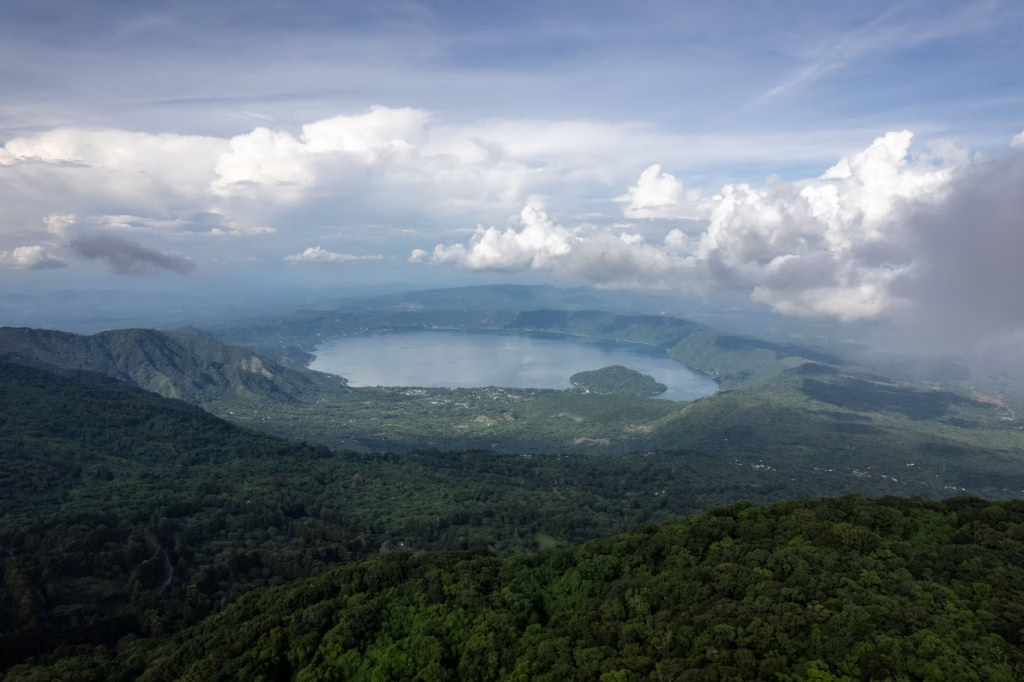
After the energy of San Salvador or a surf town, a lake base can change the pace of the journey. Build your day around the water, a relaxed meal, and views rather than trying to fill every hour with activities. Weather, wind, and local arrangements can affect boat or water plans, so ask locally before committing to a specific outing.
Lake Coatepeque also works well as part of a route that includes Santa Ana Volcano. Keep the order flexible according to the forecast rather than assuming the clearest weather will arrive on the day you need it. A cloudy lake day can still be pleasant, but it may not provide the views you imagined from home.
Bring a reusable bottle, sun protection, swimwear, a small day bag, and waterproof protection for electronics. If you plan to swim or join a water activity, ask about current conditions instead of relying on appearance alone. The goal is to enjoy the lake without turning a relaxed stop into an avoidable logistical problem.
5. Ruta de las Flores: Coffee Landscapes and Small-Town Travel
Ruta de las Flores is one of the best places to visit in El Salvador for travelers who want coffee landscapes, small towns, viewpoints, food, and a break from the pace of the coast.
This is the kind of route that rewards independent travelers who enjoy the spaces between major attractions. Instead of rushing from one viewpoint to the next, leave time for a market, bakery, café, craft workshop, or quiet town plaza. Ask local hosts which stops are worth your time on the day you arrive; their suggestions may lead you somewhere you would have skipped while following a fixed checklist.
The route is also a useful way to add variety to a short trip. A coastal base gives you heat, surf, and sunsets, while coffee country brings a different landscape and a more measured rhythm. You don’t need to turn the route into a long expedition. Choose a couple of bases and explore nearby places properly.
Weather can affect viewpoints, roads, and outdoor plans. Pack comfortable walking shoes, a compact rain layer, insect protection for greener areas, and a warmer layer for evenings or elevated locations. If rain arrives, use the opportunity to slow down over food, visit a local business, or simply spend more time in town.
6. The Pacific Coast Beyond One Beach Town
El Salvador’s Pacific coast is one of the best places to visit for travelers who want to choose between surfing, quiet beach time, seafood, sunsets, and a more local coastal rhythm.
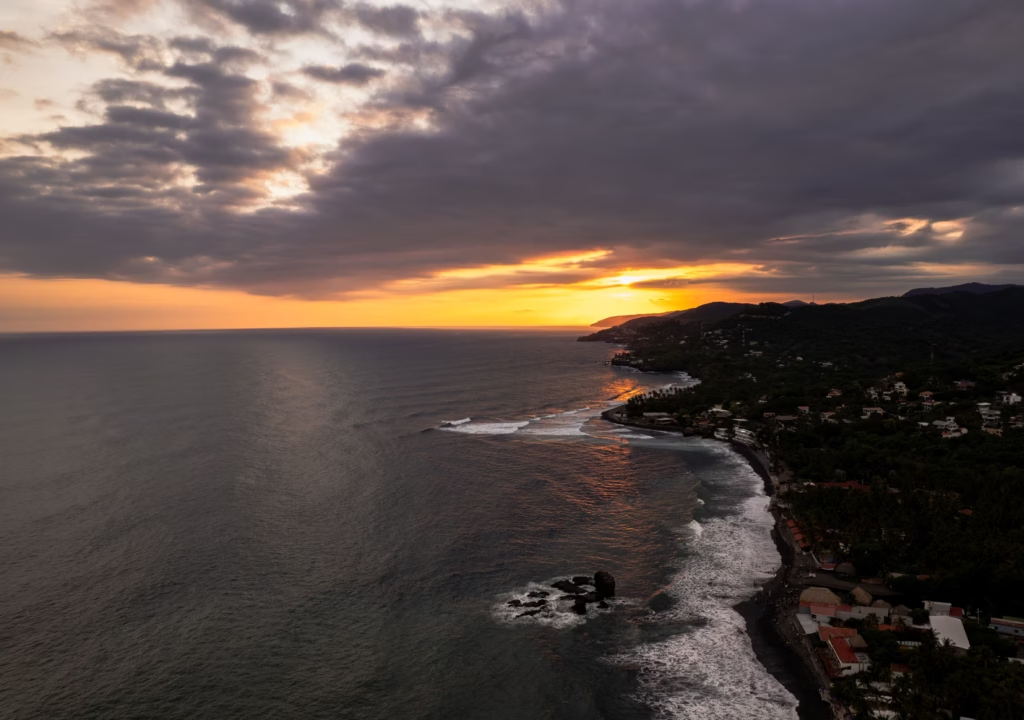
Not every traveler wants the same beach. Some people want a surf school and social accommodation, while others would rather read, swim where conditions allow, eat seafood, and watch the light change over the water. Choose the town first, then ask what the local conditions and activities are usually like during your dates.
Staying longer in one coastal base can be better value than moving every night. You save the energy of repeated checkouts, have more chances to find local restaurants, and can move your beach day when rain or wind changes the forecast. That flexibility matters for budget travelers, because a weather-disrupted activity can otherwise feel like money wasted.
Solo travelers often find the coast naturally social. Surf lessons, shared shuttles, hostels, cafés, and beach restaurants create low-pressure ways to meet people. You can join a morning activity, spend the afternoon alone, and still feel connected to the destination.
7. Volcano Country: Build an Outdoor-Focused Route
El Salvador’s volcano landscapes are among the best places to visit for travelers who want hiking, forests, crater views, and a stronger connection with the country’s natural side.
Rather than choosing every hike because it appears in a guide, decide how much outdoor time you genuinely want. One demanding volcano day may be enough for a shorter itinerary, while a longer trip can combine a hike with a lake, coffee region, or town stay. Leave gaps between major activities so your route doesn’t become a fitness challenge by accident.
Outdoor access and conditions can change. Check current trail information close to the date and ask accommodation providers or established guides about rain, mud, visibility, transport, and equipment. Don’t assume an old online description reflects the route you’ll find now.
For another Central American itinerary shaped by highlands, culture, and outdoor landscapes, compare these ideas with the best places to visit in Guatemala. The countries are different, but both reward travelers who slow down and leave room for local recommendations.
8. Coffee Country: Travel Slowly Through the Highlands
El Salvador’s coffee country suits travelers who want green landscapes, local food, small communities, and a calmer alternative to a beach-first itinerary.
Coffee landscapes can be part of the Ruta de las Flores, but I’d think of the experience as more than a photo stop. Look for opportunities to learn how local producers work, eat in family-run businesses, and spend time in towns rather than only passing through scenic countryside. Confirm current visiting arrangements with producers or guides before building your entire day around one place.
This region also gives solo travelers a welcome change of rhythm. A guesthouse host, café owner, guide, or fellow traveler may point you toward a local meal or nearby walk. You don’t need a full schedule to make the day meaningful. Sometimes the most useful plan is simply choosing a base and asking what people actually do there.
Pack layers, comfortable shoes, rain protection, and insect protection for greener areas. Conditions can vary with elevation and weather, so keep your plans adaptable. If a viewpoint disappears into cloud, the town, food, and people are still part of the destination.
9. Local Markets: Eat, Browse, and Observe
Local markets are among the best places to visit in El Salvador when you want to experience everyday life through food, shopping, movement, and conversation.
A market visit doesn’t need to be a formal attraction. Go with time to browse, notice what people are buying, and try food that looks familiar enough to order but different enough to teach you something. If you’re unsure how a dish is served or what an ingredient is, ask politely. A few Spanish phrases can make these small exchanges much warmer.
Markets are also useful on rainy days or between larger activities. They give you a reason to stay in a town rather than immediately searching for the next viewpoint. Bring a secure day bag, carry only what you need, and ask before photographing vendors or people.
Supporting local businesses is one of the easiest ways to make independent travel feel more connected. Buy from small food stalls, choose locally run accommodation when it suits your budget, and leave time for the places residents recommend rather than relying entirely on the most photographed stops.
10. Historic Towns: Make Space for Everyday Culture
Historic towns are some of the best places to visit in El Salvador for travelers who enjoy plazas, churches, bakeries, markets, architecture, and a slower look at community life.
These towns may not require a packed sightseeing list. Walk respectfully, notice the details, sit down for a meal, and ask local businesses about the area. A town plaza can tell you more when you spend an hour there than when you race through it in fifteen minutes with a camera already raised.
Be mindful around religious spaces, community celebrations, and private homes. Ask before taking photographs, dress appropriately where requested, and observe local etiquette. Cultural travel works best when curiosity doesn’t become entitlement.
I’d leave at least one unplanned afternoon in a historic town. That space lets you follow a recommendation, return to a bakery, browse a craft workshop, or simply watch the day unfold. These ordinary moments often become the parts of a trip I remember most clearly.
How to Plan an El Salvador Itinerary
The easiest way to plan an El Salvador itinerary is to choose two or three bases and mix fixed activities with flexible ones.
- Choose your main experience. Start with surfing, beaches, volcanoes, coffee, food, culture, or a balanced combination.
- Pick a coastal base. Give yourself enough nights to enjoy the beach without moving every morning.
- Add a highland or coffee stop. Ruta de las Flores, volcano country, or Lake Coatepeque can change the pace and scenery.
- Keep outdoor plans movable. Put hikes, lake outings, and surf lessons on days you can shift if conditions change.
- Protect important connections. Don’t schedule a remote excursion immediately before a flight or essential onward journey.
- Leave room for local life. Markets, meals, small towns, and conversations deserve space in the plan.
El Salvador’s compact size can tempt you to overplan. Resist that urge. Transfers still involve packing, checkouts, waiting, traffic, and unfamiliar roads. A slower route usually gives you more opportunities to meet people and understand where you are.
If you’re comparing Central American destinations, the best places to visit in Nicaragua offer another route built around beaches, volcanoes, towns, and independent travel. Use the comparison to decide which combination of landscape and travel rhythm feels right for you.
Practical Tips for Visiting El Salvador
Practical planning makes the difference between a flexible adventure and a frustrating one, especially when your route includes beaches, volcanoes, and rural areas.
- Check conditions close to the date. Confirm trail access, road conditions, surf information, and event details locally.
- Pack for more than one climate. Bring quick-drying clothes, sun protection, grip-soled shoes, rain protection, and a warmer layer.
- Use reputable activity providers. Ask about equipment, guides, routes, weather procedures, and what the price includes before booking.
- Protect your travel days. Avoid placing a weather-sensitive activity immediately before an important connection.
- Learn a little Spanish. Simple greetings and questions can make markets, cafés, and transport easier and more personal.
- Ask before photographing people. This matters especially in markets, religious spaces, and community events.
- Keep a small budget buffer. A flexible night, replacement activity, or transport change is easier when your budget has breathing room.
I’d also choose local accommodation when the quality and price suit you. Guesthouse owners and small operators can provide practical updates that a generic itinerary cannot. Their advice may help you avoid poor weather, find a better meal, or discover a nearby place you would otherwise miss.
El Salvador Travel FAQs
What is the best place to visit in El Salvador for a first trip?
San Salvador is a practical starting point because it combines culture, food, urban life, and access to other regions. Add a coastal base such as El Tunco and a highland or lake stop if you have enough time.
Is El Salvador good for solo travelers?
Solo travelers can meet people through hostels, guesthouses, surf schools, walking tours, language exchanges, and shared excursions. More remote routes require extra planning, so confirm transport and activity arrangements rather than assuming everything will be simple to organize after arrival.
How many days do you need in El Salvador?
A short visit can focus on San Salvador and one coastal or highland base. More time lets you combine beaches, volcanoes, coffee country, Lake Coatepeque, and small towns without turning every day into a transfer. I’d rather explore fewer regions properly than rush through ten stops.
Is El Salvador expensive for backpackers?
Your budget depends on accommodation, transport, meals, activities, and how often you move. Budget-conscious travelers can compare guesthouses, local restaurants, shared excursions, and longer stays in fewer bases. For outdoor activities, prioritize reputable operators and clear equipment information rather than choosing only by the lowest price.
Should you visit El Salvador during the rainy season?
You can, provided you’re comfortable with flexible plans. Pack rain protection, check local conditions, and avoid scheduling every hike, surf session, or beach day on one exact date. Rain can become an invitation to explore food, markets, museums, or a nearby town.
What should you do next?
Choose your priority first: surf, beaches, volcanoes, coffee, culture, food, or a balanced route. Pick two or three bases, check current local conditions, reserve the experiences that genuinely need advance planning, and leave enough space for El Salvador to shape the journey. If you’re comparing a very different destination, our guide to the best places to visit in Croatia offers another useful example of how coast, culture, nature, and seasonal planning can fit together.
Then go slowly enough to notice the details. A surf lesson, a volcano trail, a market breakfast, and an unplanned conversation can turn a short Central American trip into something far more personal than a checklist of attractions.