
European Cities to See: 8 Easy Picks for First-Timers
Discover eight easy European cities to see on a first trip, with practical ideas for routes, budgets, solo travel, neighborhoods, and local experiences.
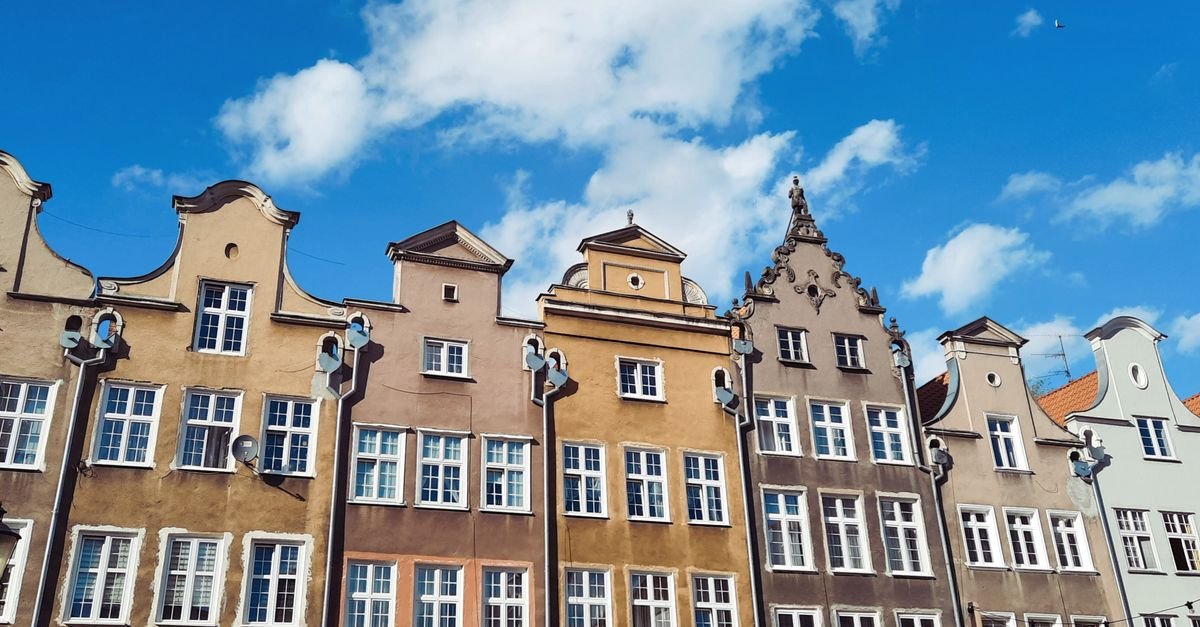
Choosing the first European cities to see can feel harder than planning the whole trip. There are grand capitals, coastal neighborhoods, medieval streets, museums, markets, and enough famous landmarks to fill several lifetimes. My advice is to begin with cities that are easy to explore, well connected, welcoming to independent travelers, and varied enough to keep the trip interesting.
These eight picks are a practical starting point for first-timers. They offer different flavors of Europe, from art and history to food, nightlife, architecture, and everyday neighborhood life. I’ve also included ideas for keeping the route manageable, meeting people when you’re traveling alone, and looking beyond the obvious attractions once you arrive.
Table of Contents
How to Choose the Best European Cities for a First Trip
The best first European city is one that matches your interests while keeping daily logistics simple.
Before booking anything, think about the trip you actually want. Do you imagine sitting in a plaza with a coffee, visiting major museums, eating your way through markets, swimming in the sea, or wandering through old streets with no fixed plan? A city that looks perfect in photographs may not suit your pace or budget.
I’d also avoid building a first itinerary around too many countries. Every transfer takes time, even when the map makes two destinations look close. A slower trip gives you more opportunities to notice local routines, return to a favorite café, and have the kind of unplanned conversation that rarely happens when you’re racing to the next station.
- Choose a manageable base: A compact center makes your first few days less stressful.
- Balance famous sights with neighborhoods: The big attractions matter, but ordinary streets often reveal more about daily life.
- Leave room for weather: Museums, food halls, galleries, and cafés make a city easier to enjoy on a rainy day.
- Consider your budget: Accommodation and meals can vary widely between cities, so compare the whole trip rather than one headline price.
- Plan your arrival and departure: Save the route to your accommodation and avoid creating a complicated connection immediately after a long flight.
For seasonal inspiration, our guide to where to travel in October is useful when you’re deciding whether you want autumn atmosphere, cooler walking weather, or a warmer change of scenery.
1. London, England: The Easiest Big-City Introduction
London is one of the easiest European cities to see for the first time because it combines famous landmarks, major museums, distinct neighborhoods, green spaces, food from around the world, and a huge range of things to do in every kind of weather.
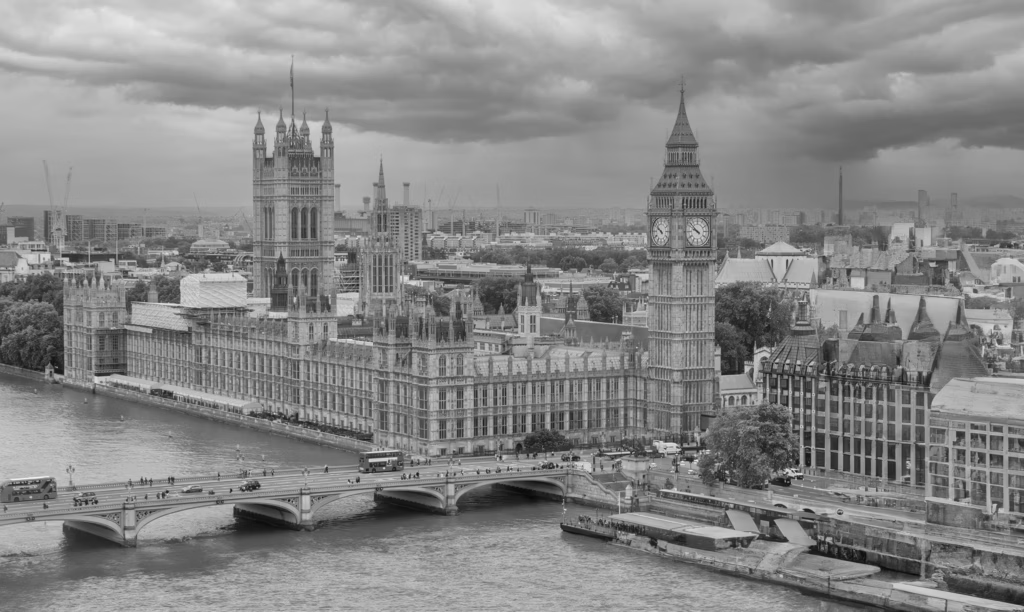
The city can feel enormous, so I wouldn’t try to conquer it from one end to the other every day. Choose an area and give it a theme. You might spend a morning around historic sights, an afternoon in a museum, and an evening exploring a food market or neighborhood pub. That rhythm feels much better than collecting distant landmarks simply because they appear on a list.
London is especially helpful for solo travelers. Walking tours, theater shows, museums, bookshops, cafés, and communal food halls give you ways to be around people without needing a travel companion. I also like that you can make the day social or private depending on your energy.
For a first visit, mix one or two major sights with less obvious wandering. Look for local markets, small galleries, canals, parks, and residential streets where you can observe the city without turning every moment into sightseeing. The famous London is worth seeing, but the everyday city is what gives the trip texture.
2. Paris, France: Art, Walks, and Long Meals
Paris belongs on a first-timer’s list because its museums, architecture, gardens, cafés, food, and river walks create a city break with plenty of different moods.
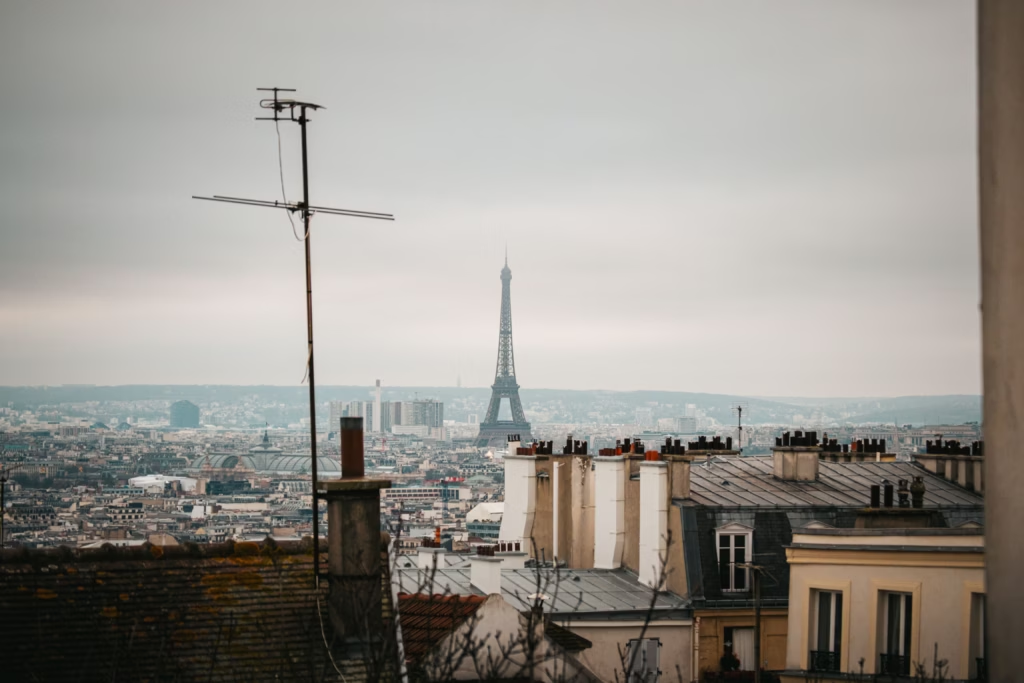
The best way to approach Paris is to accept that you will not see everything. Choose a few priorities, then organize the day around neighborhoods rather than zigzagging across the city. A museum in the morning, a relaxed lunch, and a long walk through nearby streets can be more satisfying than squeezing in five major attractions.
I’d make time for both the celebrated areas and the ordinary ones. Browse a market, sit in a public garden, stop at a bakery, and notice how the atmosphere changes from one neighborhood to the next. If you’re traveling alone, a museum or café can offer comfortable company without demanding conversation.
Paris also rewards repeat visits within the same trip. Return to a riverside view at a different time of day, revisit a neighborhood after dinner, or leave one afternoon completely open. Those small pauses are often when a city begins to feel familiar.
3. Amsterdam, Netherlands: Compact, Social, and Easy to Explore
Amsterdam is a strong first European city because its canals, museums, markets, and lively neighborhoods fit naturally into a walkable city break.
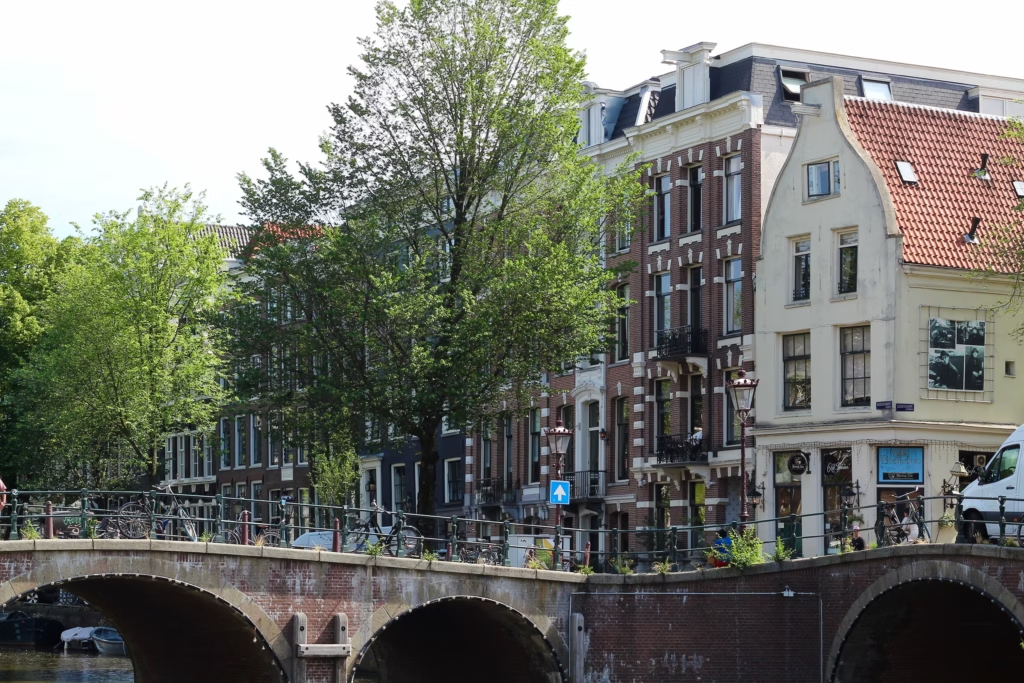
The central area is easy to explore, but I’d resist spending the entire trip on the busiest streets. Move beyond the postcard canals and look for quieter waterside paths, local cafés, independent shops, and neighborhood food spots. The city becomes more interesting when you treat it as a place where people live rather than an open-air photo set.
Cycling is closely associated with Amsterdam, but you don’t need to rent a bike to enjoy the city. If you do cycle, take local rules seriously and choose a route that matches your confidence. Walking and public transport can be perfectly practical for a first visit.
Amsterdam works well for solo travelers because museums, cafés, canal walks, and small-group activities create plenty of low-pressure ways to spend the day. If you want to meet people, consider a hostel common room, a food-focused activity, or a walking tour rather than relying only on nightlife.
4. Rome, Italy: History You Can Feel in the Streets
Rome is one of the best European cities to see if you want ancient history, art, neighborhood life, generous meals, and a city where the past appears around almost every corner.
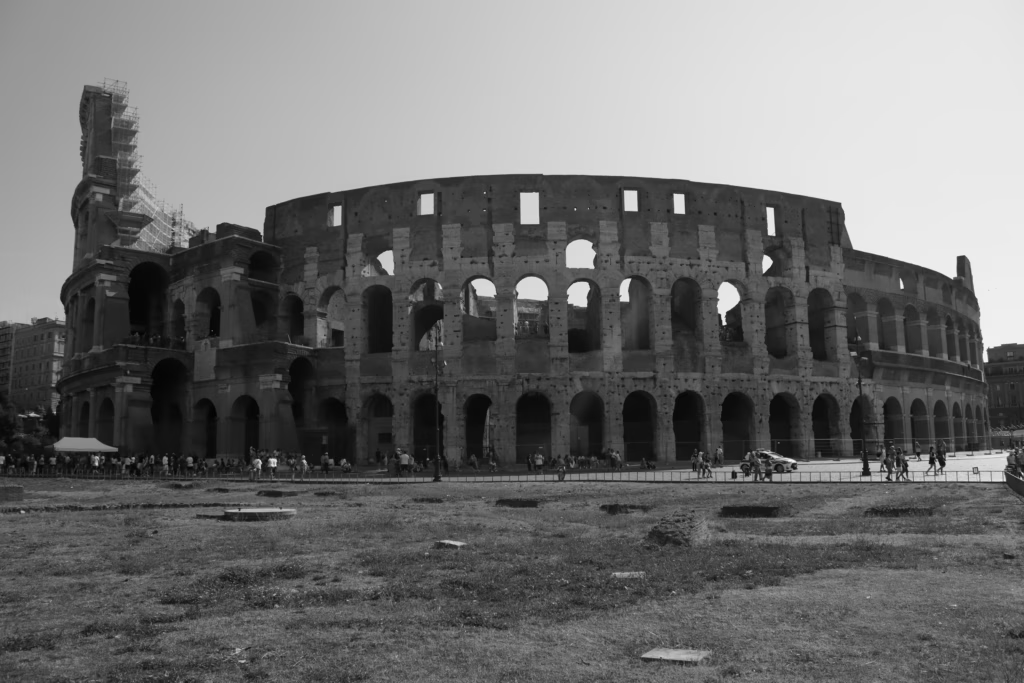
Rome rewards preparation, but not overplanning. Reserve or verify arrangements for the attractions that matter most to you, then keep space around them. You’ll need time to cross busy streets, find a quiet lunch, pause in a square, and recover from the heat or crowds.
Rather than treating the historic center as one giant checklist, divide your days by area. Pair a major archaeological or artistic sight with a nearby neighborhood, market, church, or food stop. This reduces unnecessary backtracking and gives you more time to notice details.
Food is a major part of the experience, but you don’t need the most famous restaurant in town to eat well. Ask your accommodation host for a local recommendation, look for busy places where residents are eating, and try a few simple dishes instead of spending every meal chasing online rankings.
Rome can be a good city for independent travelers who enjoy a lively atmosphere. You can join a guided visit for context, then spend the next afternoon wandering alone. That balance helps the city feel both informative and personal.
5. Barcelona, Spain: Architecture, Food, and the Mediterranean
Barcelona is an easy first choice for travelers who want architecture, art, markets, beaches, nightlife, and a strong sense of place in one city.
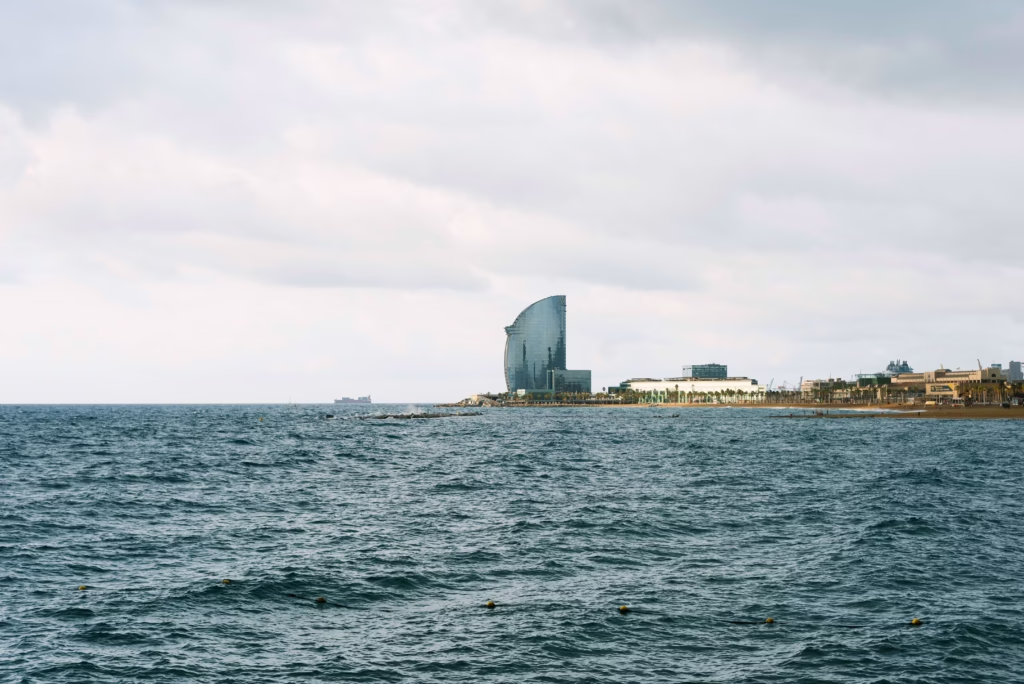
Start with the architecture and major sights that genuinely interest you, but don’t let them define the entire visit. Barcelona’s appeal also comes from its neighborhood rhythms, tiled façades, small bakeries, public squares, and late meals. Spend time walking without a destination, especially when you’re not in a hurry to reach another attraction.
The city offers natural variety. You can explore cultural sites in the morning, eat lunch in a market or neighborhood restaurant, and end the day near the waterfront. If you want a quieter experience, move away from the busiest central streets and ask locals where they go for an ordinary evening.
Solo travelers may find Barcelona easy to enjoy alone, although popular areas can be crowded. Keep your belongings secure, especially in busy transport areas and tourist-heavy streets, and avoid carrying more than you need for the day. Practical habits let you focus on the food, design, and atmosphere.
If you’re interested in coastal light and evening views, you can also browse our guide to the best places to watch sunset for ideas about choosing viewpoints that fit your route.
6. Lisbon, Portugal: Hills, Viewpoints, and Easygoing Days
Lisbon is one of the most approachable European cities to see on a first trip because it combines historic neighborhoods, viewpoints, local food, creative culture, and a relaxed pace that suits independent travelers.
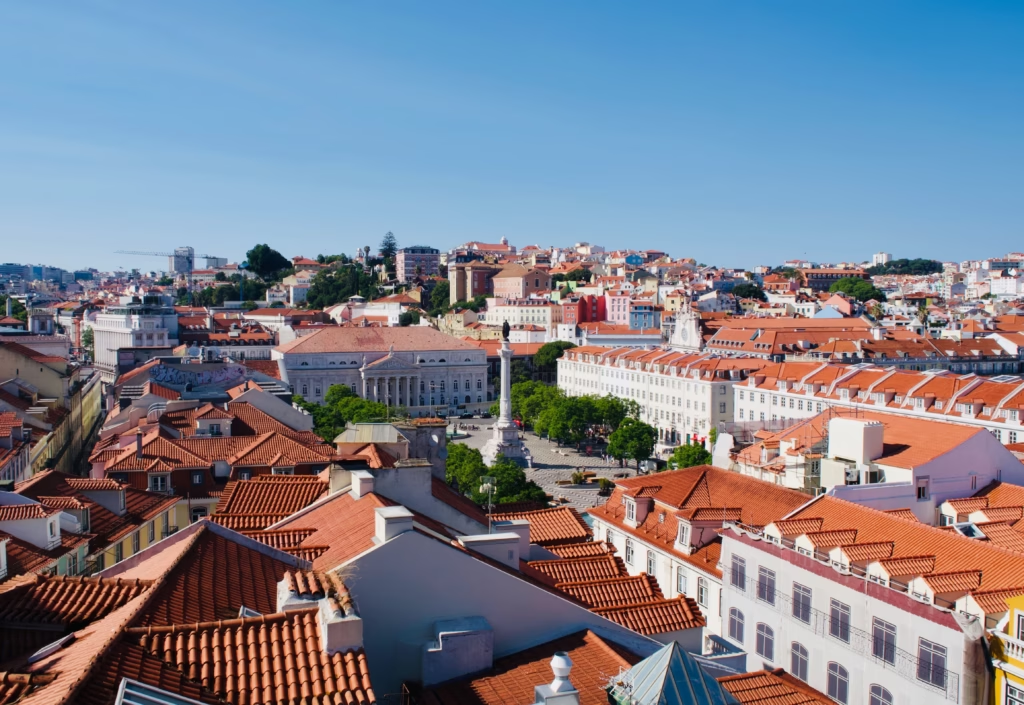
The hills are part of the experience, so comfortable shoes matter. Instead of treating every climb as a nuisance, use the slopes to move slowly between viewpoints, cafés, tiled streets, and small shops. You don’t need to visit every lookout; choose a few and spend enough time at each to enjoy the changing city scene.
Lisbon is also a good place to build a day around food. Try a bakery in the morning, a market or neighborhood restaurant later, and a small bar or café in the evening. Ask what locals order rather than choosing only the dishes you already know.
For solo travelers, walking tours and food experiences can provide an easy introduction, while the city’s cafés and public viewpoints make independent time comfortable. I’d avoid packing every day with excursions. One unplanned afternoon may lead you to a neighborhood you would never have chosen from a guidebook.
Before booking around a particular season, compare your plans with the best time to visit El Salvador if you’re considering adding a warmer destination to a longer journey. The contrast between a European city break and a Pacific-coast itinerary can help you decide what kind of travel rhythm you want next.
7. Prague, Czechia: Old-World Atmosphere Without a Huge Footprint
Prague is a rewarding first European city for travelers who want historic streets, dramatic architecture, cafés, museums, and a compact base that encourages walking.
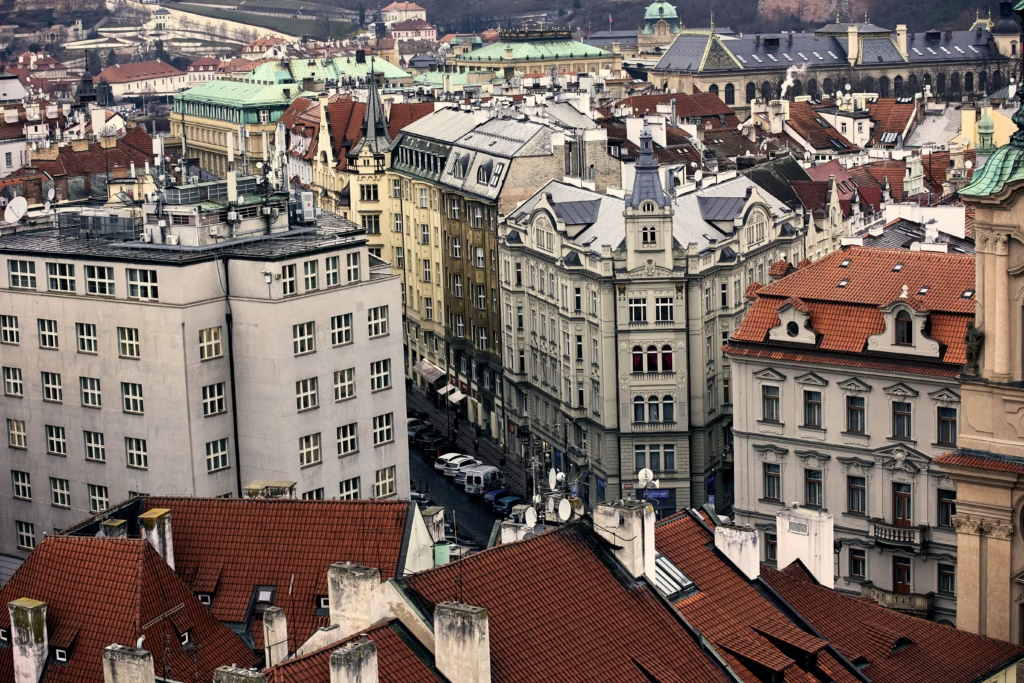
The central sights are popular for a reason, but Prague becomes more enjoyable when you move beyond the busiest routes. Cross the river, explore residential streets, find a local bakery, or spend an evening in a neighborhood where the main attraction is simply being there.
Prague can also suit budget-conscious travelers, although costs vary by neighborhood, season, and travel style. Compare accommodation locations carefully. A cheaper room far from the places you want to explore may not be the best value once you add transport and time.
If you’re traveling alone, consider a small-group walking tour early in the trip. It can provide context, help you meet other travelers, and give you ideas for the rest of your stay. After that, leave space to revisit the places that caught your attention.
Rainy weather doesn’t have to derail a Prague visit. Use it as an excuse for a museum, café, bookshop, or long lunch. A slower day often fits the city better than a rushed attempt to stay outdoors.
8. Vienna, Austria: Culture, Coffee, and a Comfortable Pace
Vienna is one of the easiest European cities to see when you want grand architecture, museums, music, cafés, parks, and an organized urban rhythm.
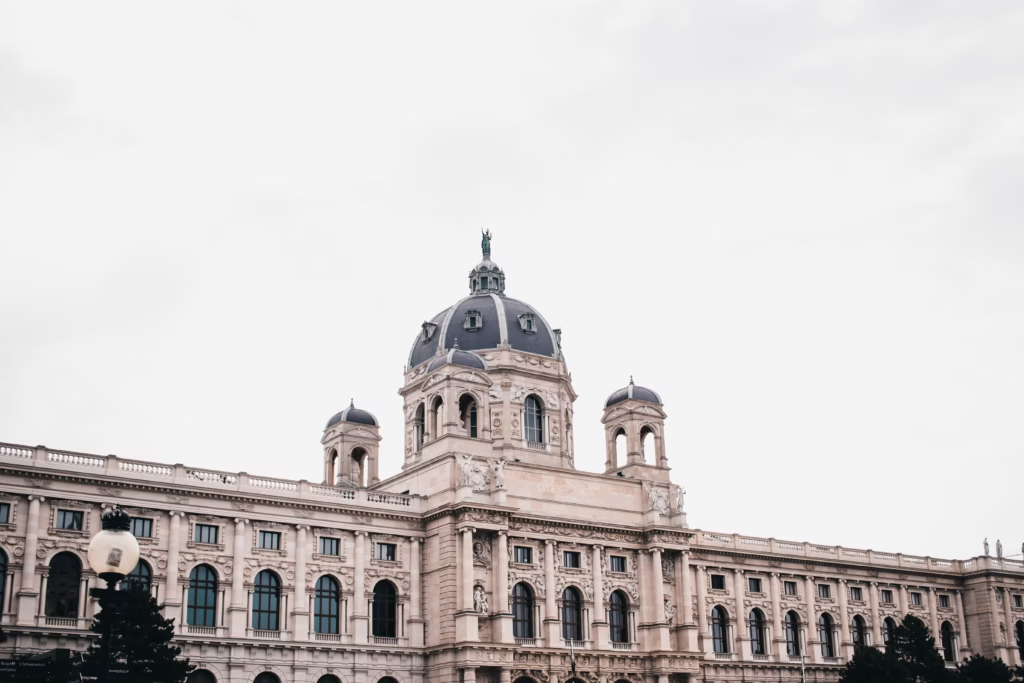
The city’s cultural attractions can fill several days, but I’d avoid turning the trip into a sequence of interiors. Alternate museums and historic buildings with neighborhood walks, market browsing, and time in a café. That balance keeps the itinerary varied and gives you room to absorb what you’ve seen.
Vienna is particularly appealing for travelers who like a little structure. You can plan a cultural morning, a long lunch, an afternoon in a park or market, and an evening performance or relaxed meal. Solo travelers often find this rhythm comfortable because the city offers plenty of things to do without requiring a group.
Look beyond the most formal attractions, too. Spend time observing everyday life in local neighborhoods, visit smaller cultural venues, and ask residents which cafés or markets they actually enjoy. The grand Vienna is impressive, but the lived-in city is more memorable.
How to Build an Easy First-Timer Europe Route
The easiest first Europe itinerary combines two or three cities that offer variety without forcing you to move every day.
You might pair Paris with London for major-city culture, Amsterdam with one nearby base for canals and slower landscapes, or Rome with Barcelona for history, food, architecture, and Mediterranean energy. Prague and Vienna make a natural-feeling combination for travelers who want Central European history and café culture. The right pairing depends on your interests and current transport options, so check the details before committing to non-refundable bookings.
- Choose a starting city: Pick the place with the easiest arrival for your budget and schedule.
- Add only one or two more bases: Fewer moves mean more time for actual exploration.
- Group neighborhoods by day: This reduces backtracking and makes the itinerary feel calmer.
- Book the experiences that need planning: Leave the rest flexible where possible.
- Include a recovery morning: Long travel days and late arrivals can make the first day less productive than expected.
- Keep one open afternoon: Use it for a local recommendation, a market, or simply following your curiosity.
For budget travelers, staying slightly outside the busiest tourist zone can work well if the transport connection is convenient. I’d compare the full cost and effort rather than choosing accommodation solely because the nightly rate looks low.
Practical Tips for Seeing Europe Independently
Independent travel becomes much easier when you prepare for small problems without trying to control every detail.
- Save offline information: Keep your accommodation address, directions, booking details, and essential contacts available without relying on a signal.
- Pack light enough to move: A smaller bag makes stations, stairs, and changing accommodation less tiring.
- Carry a simple day bag: Bring water, a layer, a charger, and only what you need.
- Learn a few local phrases: Greetings, thank you, and basic food or transport questions can make everyday interactions warmer.
- Use tours strategically: A walking tour, cooking class, or museum visit can add context and help solo travelers meet people.
- Respect local routines: Follow photography guidance, keep noise down in residential areas, and support small businesses when you can.
Traveling alone doesn’t have to mean being isolated. Stay in a social hostel if that suits you, join one activity, eat at a communal counter, or start a conversation with another traveler during a tour. Then protect your quiet time when you need it. The freedom to change between company and solitude is one of the best parts of solo travel.
If you’re extending a Europe trip beyond these cities, our guide to the best places to visit in El Salvador offers a very different style of itinerary built around beaches, volcanoes, coffee country, and local towns. It’s a useful comparison when you’re deciding whether your next destination should be another city or a change of scenery.
What to Do Next
Choose your first European city by starting with the experience you want most. If you want museums and famous landmarks, look toward London, Paris, or Rome. If you prefer compact streets and neighborhood wandering, consider Amsterdam, Prague, or Lisbon. For culture and a measured pace, Vienna is a strong choice. If you want architecture, beaches, and food in the same trip, Barcelona may be the better fit.
Then choose one or two additional cities, check current transport and entry information, and leave enough space for the journey to breathe. You don’t need to see all of Europe on your first visit. Pick a route that lets you explore slowly, meet people naturally, and come home already curious about where you’ll go next.
The best first trip is rarely the one with the most destinations. It’s the one that gives you enough time to look up from the map and actually feel where you are.