
The Best Places to Visit in Czechia
Discover the best places to visit in Czechia, from Prague and Český Krumlov to Brno, Moravian wine country, castles, forests, and spa towns.
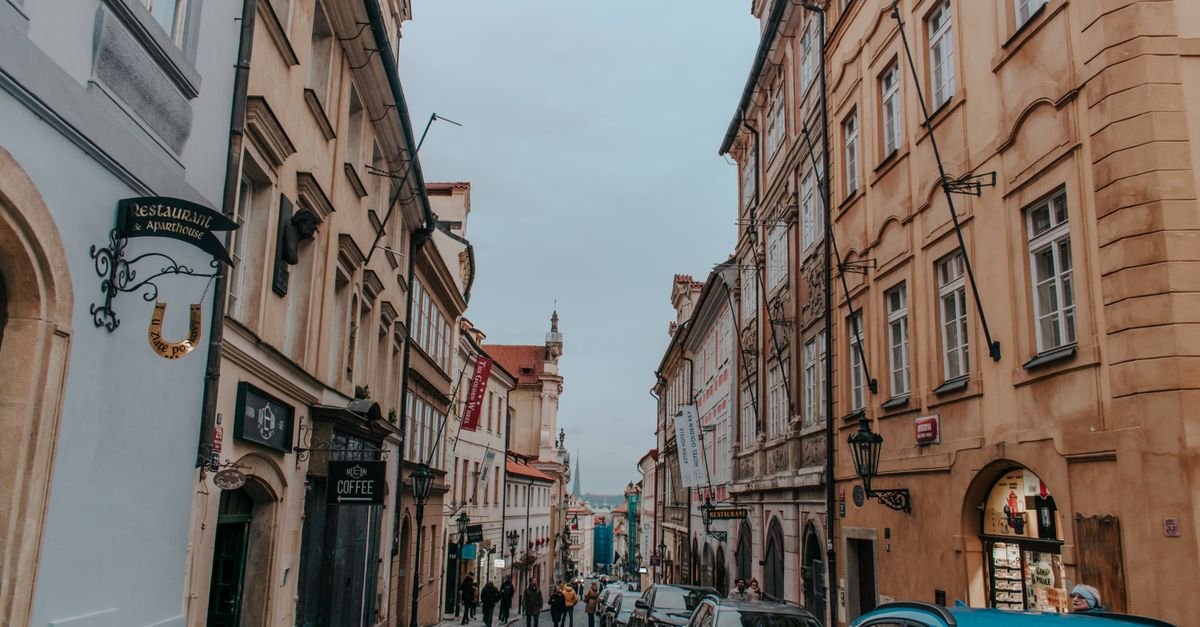
The best places to visit in Czechia go far beyond Prague. The capital deserves its fame, but the country’s real charm unfolds in medieval towns, forested national parks, grand castles, lively student cities, vineyard-covered hills, and spa resorts where the pace slows down. Czechia is compact enough for an independent trip, yet varied enough to keep a week or two interesting.
I love the idea of exploring Czechia by train or bus, choosing a few bases instead of changing hotels every night. Prague can introduce you to the country’s history and architecture, while Brno brings food and nightlife, Český Krumlov offers storybook streets, and places such as Bohemian Switzerland and Moravian Karst add a welcome dose of fresh air. You’ll also find plenty of hostels, cafés, walking tours, and relaxed public spaces where traveling alone doesn’t have to feel lonely.
Table of Contents
Best Places to Visit in Czechia at a Glance
The best places to visit in Czechia combine historic cities, dramatic landscapes, castles, local food, and easy opportunities to slow down.
- Prague – Best for first-time visitors, architecture, and culture
- Český Krumlov – Best for a compact medieval old town
- Brno – Best for food, nightlife, and contemporary city life
- Kutná Hora – Best for Gothic heritage and unusual history
- Olomouc – Best for a relaxed, beautiful university city
- Karlovy Vary – Best for grand spa architecture and a slower pace
- Bohemian Switzerland – Best for sandstone landscapes and hiking
- Moravian Karst – Best for caves, forests, and outdoor exploration
- South Moravia – Best for vineyards, cycling, and rural travel
- Hluboká and Český ráj – Best for castles and varied countryside
Prague Is the Best Starting Point for Czechia
Prague is the best starting point for most trips because it combines grand history, walkable neighborhoods, museums, nightlife, and an unusually rich architectural landscape. The Charles Bridge, Prague Castle, Old Town Square, and the Astronomical Clock are obvious highlights, but the city becomes more rewarding when you give yourself time to wander beyond the busiest routes.
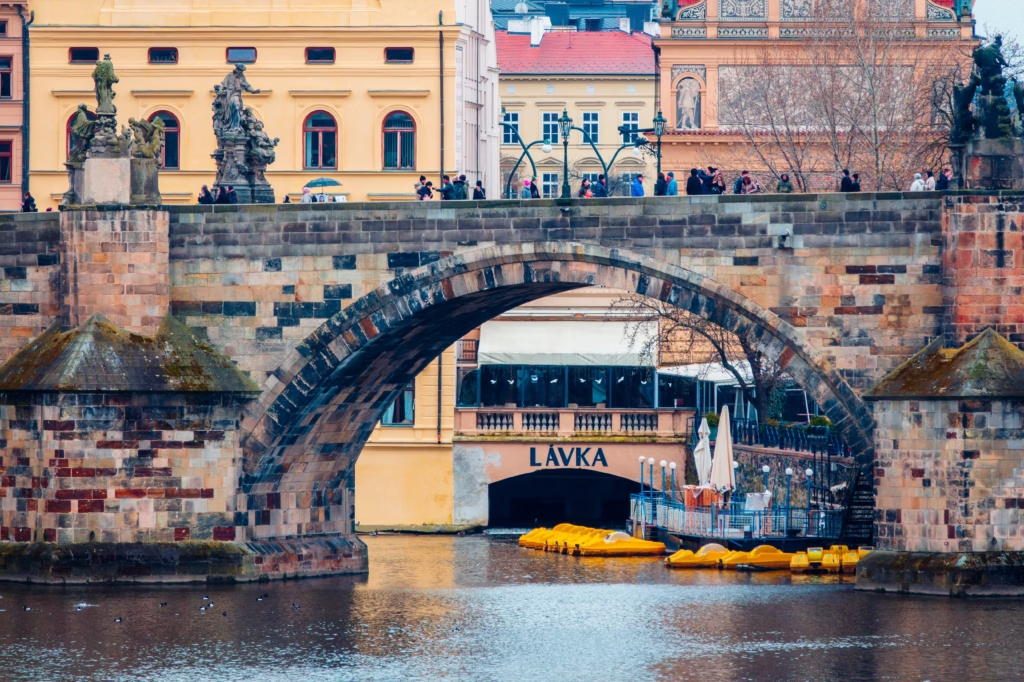
I’d explore the historic center early, then spend later hours in neighborhoods such as Vinohrady, Holešovice, Karlín, or Malá Strana. Each has a different personality, from leafy residential streets and independent cafés to galleries, beer halls, and riverside walks. Prague is also a good city for solo travelers: join a walking tour, sit at a communal table, or use a hostel kitchen as a natural place to meet people.
The city’s popularity means the center can feel crowded, especially around the main landmarks. That’s not a reason to avoid it; it’s a reason to vary your timing and route. Walk along the Vltava, visit a neighborhood market, look for smaller museums, and leave room for a long lunch. For more destination-planning ideas, the wider Best in Places destinations guide is a useful starting point.
Prague also works well as the first or final stop on a Central European journey. If you’re considering pairing Czechia with nearby countries, our guide to travel in Croatia can help you compare another popular European route.
Historic Towns and Castles Show Czechia’s Romantic Side
Czechia’s smaller historic towns and castles are where the country feels most atmospheric, particularly when you slow down and stay overnight rather than treating each place as a rushed day trip.
Český Krumlov Is the Classic Medieval Escape
Český Krumlov is one of the best places to visit in Czechia for travelers who want winding lanes, colorful façades, riverside views, and a castle above a compact old town. The historic center is easy to explore on foot, with small squares, galleries, cafés, and viewpoints appearing around almost every bend.
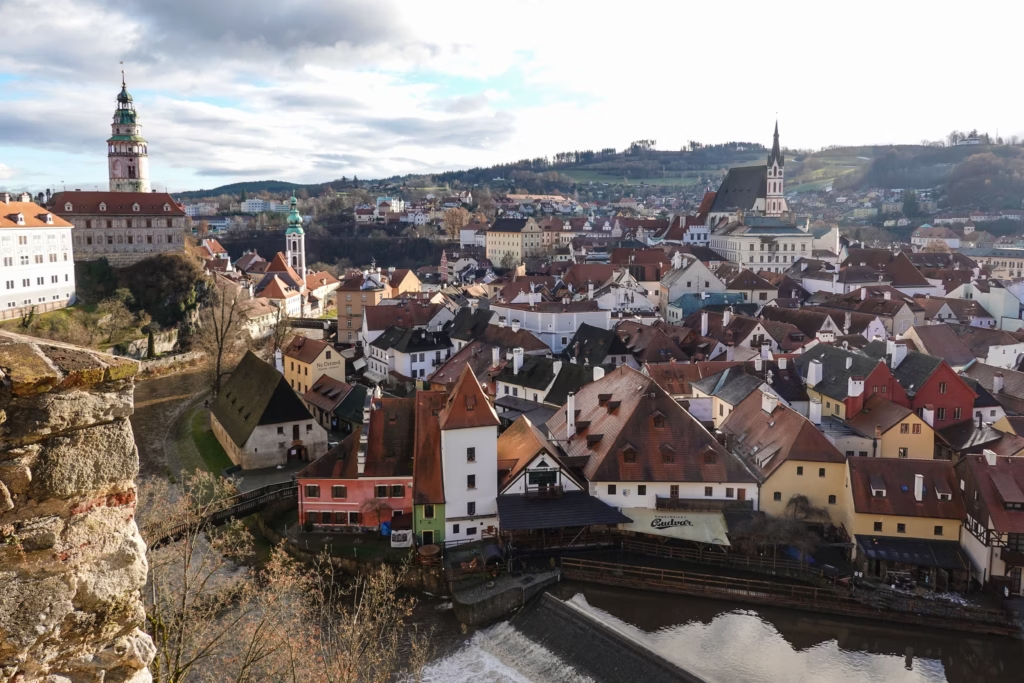
Day visitors can make the town feel busy, so I’d consider staying overnight if your itinerary allows. Early morning and evening offer a different mood, when the narrow streets become quieter and you can appreciate the town without rushing between viewpoints. It’s also worth looking beyond the main square: independent shops, riverside paths, and local restaurants add texture to the visit.
Český Krumlov is not the best base for big-city nightlife or a packed list of attractions. Its appeal is atmosphere. Pair it with South Bohemia’s castles and countryside, or use it as a slower counterpoint to Prague.
Kutná Hora Pairs Beauty with Unusual History
Kutná Hora is an excellent choice for travelers who want medieval architecture with a more unusual edge. The town’s historic center, grand Gothic churches, and former silver-mining heritage make it feel substantial without the scale of Prague.

The Sedlec Ossuary is the place most visitors know, but I’d make time for the rest of the town too. St. Barbara’s Church, old lanes, and elevated views create a rewarding walking route, while the quieter pace makes it easy to explore independently. The ossuary is a solemn site, so approach it respectfully rather than treating it as a novelty.
Hluboká Castle Is a Fairytale-Style Detour
Hluboká Castle is one of Czechia’s most striking castle stops, with pale walls, decorative towers, gardens, and a dramatic setting in South Bohemia. It’s a good addition for travelers who enjoy architecture and landscaped grounds more than urban sightseeing.

Combine the castle with České Budějovice or other South Bohemian towns rather than making the journey for a very short stop. As with any historic property, check current access information before traveling because tours and visitor arrangements can change.
If you enjoy comparing historic destinations around the world, you might also like our guides to the best places to visit in Morocco and the best places to visit in China. Both countries offer a useful contrast between famous landmarks and smaller places where history feels more personal.
Brno and Olomouc Are Czechia’s Best City Breaks
Brno and Olomouc are the cities I’d choose when I wanted Czech culture without Prague’s constant visitor traffic. Both have historic centers, strong café scenes, student energy, and enough local character for several unhurried days.
Brno Brings Food, Design, and Nightlife
Brno is the best Czech city for travelers who enjoy food, architecture, nightlife, and a more relaxed urban rhythm. Its historic center is compact, but the experience stretches beyond the main square into coffee shops, wine bars, restaurants, design stores, and former industrial spaces.

The city’s student population helps keep it social and energetic without making it feel like a nonstop party destination. Solo travelers can join a food tour, settle into a café, or ask hostel staff about local events. Brno is also a useful base for South Moravia, especially if you want to explore vineyards, castles, and the Moravian Karst.
Don’t try to see Brno only through its headline sights. Spend time in the markets, walk up toward Špilberk Castle, and let yourself follow the streets that look interesting. The best days here often come from combining one planned visit with several unplanned stops.
Olomouc Offers a Quieter Historic City
Olomouc is one of the best places to visit in Czechia for a beautiful city break with fewer crowds and a strong local identity. Its squares, fountains, churches, and astronomical clock create an elegant historic core, while the university population keeps the city lively and affordable in feel.
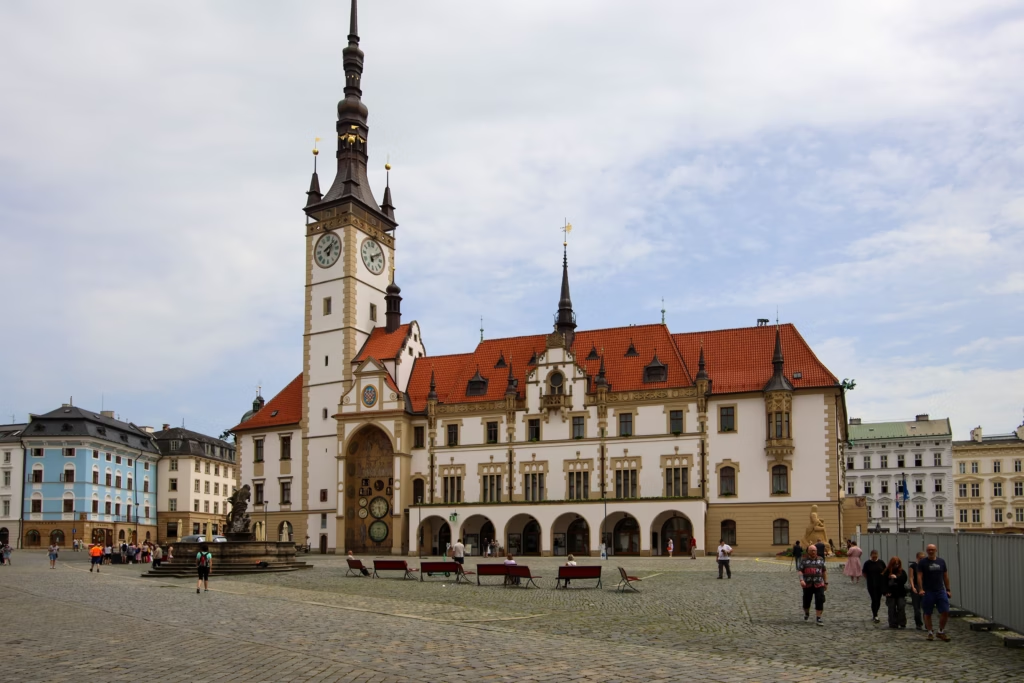
I’d choose Olomouc if you like walking without a strict checklist. Stop for a pastry, explore the side streets, visit a church or museum, and spend an evening in a local bar. The city also gives you an easy way to experience Moravia beyond the more famous wine villages.
Czechia’s Spa Towns and Wine Country Reward Slow Travel
Some of the best Czech experiences come from slowing down, whether that means sipping mineral water in a spa town, cycling between vineyards, or lingering over a regional meal.
Karlovy Vary Is the Grand Spa Town
Karlovy Vary is the country’s most famous spa destination, known for grand colonnades, ornate buildings, wooded hills, and a long tradition of wellness travel. It’s a natural choice for travelers who enjoy architecture, walks, cafés, and a more polished atmosphere.
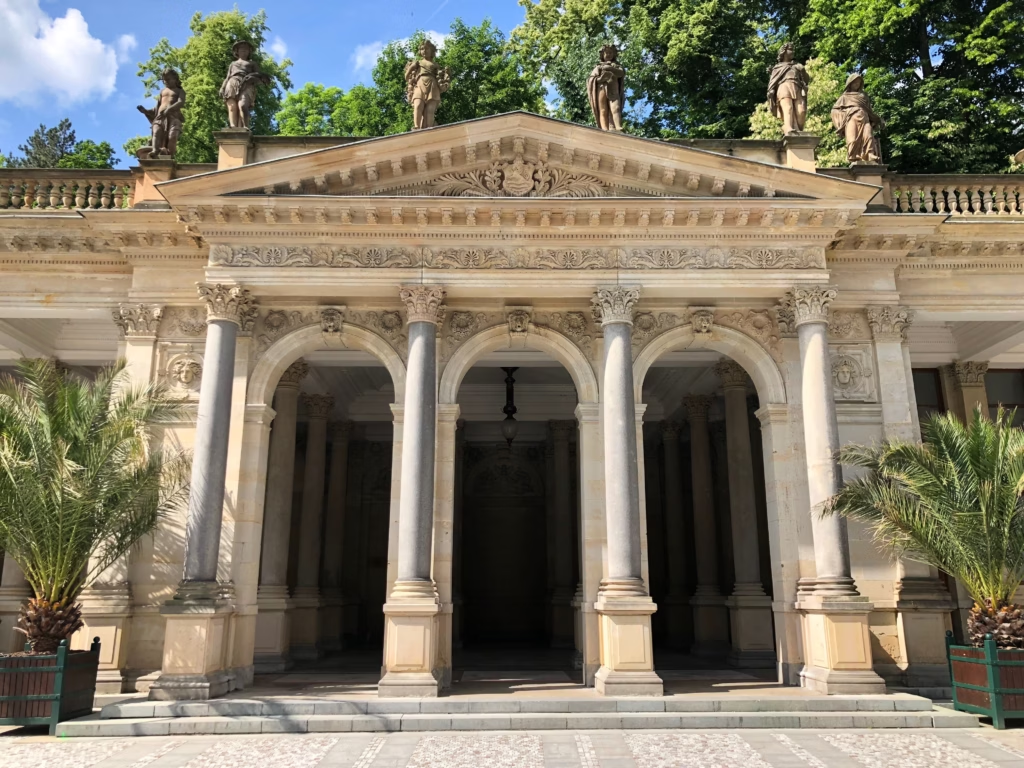
The town is especially pleasant when you explore at a gentle pace. Follow the valley, look closely at the decorative façades, and take one of the forest paths above the center if conditions suit. You don’t need to book an elaborate spa treatment to enjoy Karlovy Vary; the town’s atmosphere and setting are the main attraction.
For budget travelers, the town can be approached as a day trip, but staying longer gives you time to see it outside the busiest part of the day. Pack comfortable shoes because the surrounding paths can be steep and uneven.
South Moravia Is Czechia’s Wine and Cycling Region
South Moravia is the place to choose for vineyards, cycling, village life, and a warmer rural rhythm. Towns such as Mikulov and Znojmo make attractive bases, while the countryside between them is dotted with vines, small roads, castles, and traditional villages.

You don’t need to be a wine expert to enjoy the region. Visit a family-run cellar or ask your accommodation about local tasting options, then balance the food and wine with a cycle ride or countryside walk. Independent travelers should check transport connections carefully if they plan to visit several villages, since rural services may be less frequent than city routes.
South Moravia is also a good reminder that travel in Czechia doesn’t have to revolve around famous monuments. A conversation with a host, a plate of local food, or a quiet evening overlooking the vines can become the most memorable part of the route.
Bohemian Switzerland and Moravian Karst Are Czechia’s Natural Highlights
Czechia may be famous for castles and city squares, but its forests, caves, rock formations, and river valleys offer plenty for travelers who want outdoor adventure.
Bohemian Switzerland Is Made for Sandstone Landscapes
Bohemian Switzerland National Park is one of the best places to visit in Czechia for hiking among sandstone cliffs, wooded valleys, viewpoints, and distinctive rock formations. The landscape feels surprisingly wild considering its access from northern Czech towns.
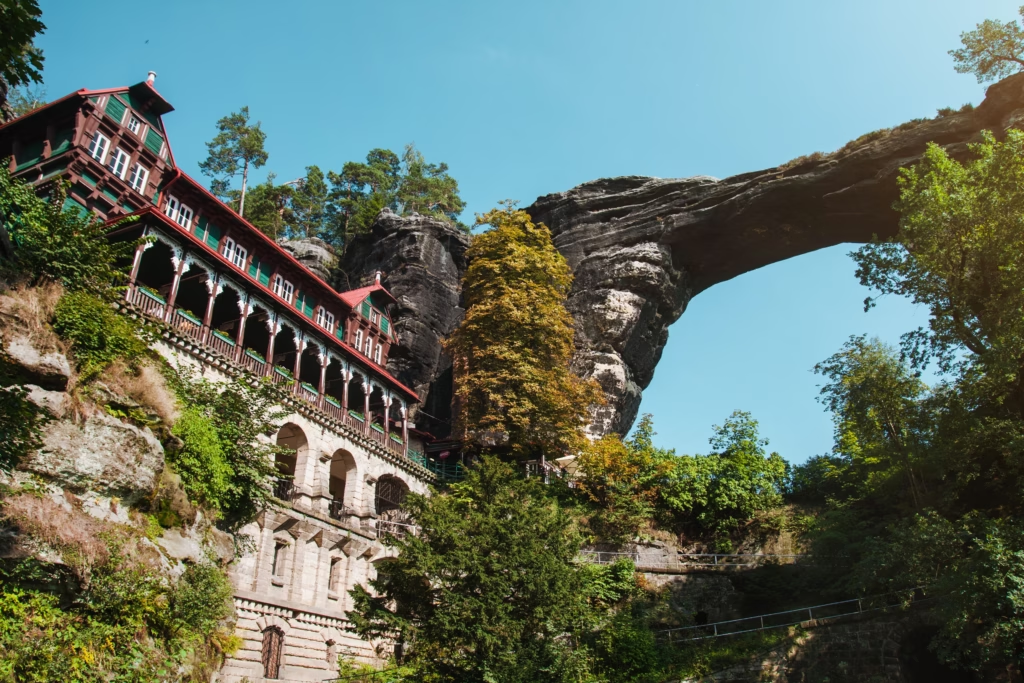
Routes vary in length and difficulty, and weather or trail conditions can affect access, so check current local guidance before setting out. Bring proper shoes, water, and a layer for changing conditions. The park is ideal for travelers who prefer a day outdoors to another museum, but it’s not a place to improvise carelessly on unfamiliar trails.
Consider spending more than one day in the area. A slower itinerary lets you combine a longer hike with a village meal or a quiet morning among the forests, rather than trying to collect every viewpoint in one tiring day.
Moravian Karst Combines Caves and Forest Trails
Moravian Karst is the best choice for travelers who want caves, limestone scenery, forest walks, and a break from urban sightseeing. The region includes underground formations and hiking routes that can be combined into an active day or a relaxed weekend from Brno.
Access to caves and guided visits can depend on current operating arrangements, so confirm details locally before building your schedule around a particular tour. Above ground, the wooded landscape is just as appealing for walkers who prefer not to spend the entire day underground.
This region works particularly well for solo travelers because you can join an organized cave visit while keeping the rest of the day independent. It also offers a useful balance to Brno’s cafés and nightlife.
How to Plan a Czechia Itinerary
A good Czechia itinerary combines Prague with one or two regional bases rather than trying to visit every famous town in a single loop. For a first trip, I’d pair Prague with Český Krumlov and Brno, then add either South Moravia for vineyards or Bohemian Switzerland for hiking.
- Three to four days: Stay in Prague and explore the capital at an unhurried pace.
- Seven days: Combine Prague, Český Krumlov, and Brno, with a day trip to Kutná Hora or a nearby castle.
- Ten days: Add South Moravia, Olomouc, or Bohemian Switzerland according to your interests.
- Two weeks: Build a slower route through Prague, South Bohemia, Brno, Moravian wine country, and a nature destination.
Rail and bus travel are usually the most practical options between major towns, while a rental car can make rural areas, castles, and vineyards more flexible. Check current routes before booking accommodation in smaller villages, and avoid planning a chain of tight connections. A delayed train is much less stressful when your evening doesn’t depend on catching the last bus into the countryside.
Czechia is also easy to combine with neighboring countries, but I’d resist adding destinations simply because they look close on a map. If you’re comparing a Czechia trip with a longer journey elsewhere, our guide to the best places to visit in Australia shows the opposite planning challenge: huge distances make regional choices essential.
When to Visit the Best Places in Czechia
Spring and autumn are excellent seasons for city walks, historic towns, and countryside routes, with changing landscapes and a generally calmer feel than the busiest summer period. Summer suits travelers who want long days, outdoor activities, beer gardens, and lively city streets, although popular destinations can feel crowded.
Winter brings Christmas markets, cold-weather atmosphere, and the possibility of snow in higher areas, but daylight is limited and outdoor plans need more flexibility. Spa towns and museums can be appealing in this season because they don’t depend entirely on good weather.
For a broader seasonal comparison, see our guide to the best places to visit in November. If you’re deciding between Czechia and another European destination for a shoulder-season trip, our guide to the best places to visit in Spain offers another useful point of comparison.
Czechia Travel FAQs
What is the best place to visit in Czechia for the first time?
Prague is the strongest first stop because it combines major landmarks, historic neighborhoods, museums, food, and easy connections to other parts of the country. Add Český Krumlov or Brno if you have more time.
What are the most beautiful places in Czechia?
Český Krumlov, Bohemian Switzerland, South Moravia, Hluboká Castle, and Karlovy Vary offer very different kinds of beauty, from medieval streets and ornate architecture to forests, cliffs, and vineyards.
Is Czechia good for solo travelers?
Yes. Prague, Brno, and Olomouc have hostels, cafés, walking tours, and student communities that make meeting people relatively easy. Rural travel requires more transport planning, but it can be rewarding for independent travelers.
Is Czechia expensive for budget travelers?
Czechia can suit a range of budgets. Prague’s most central areas may cost more, while local restaurants, hostels, public transport, and regional towns can make a longer trip more manageable. Costs vary by season, city, and accommodation style.
What food should you try in Czechia?
Look for hearty regional dishes, dumplings, soups, pastries, open-faced snacks, and local cheeses, as well as Moravian wines and Czech beer. Ask locals or accommodation hosts where they eat rather than choosing only restaurants around the main square.
What should you do next?
Choose your main travel mood first: Prague and historic towns, Brno and food, Moravia and vineyards, or Bohemian Switzerland and hiking. Then reserve your first base, check the regional connections, and leave enough empty space for the small cafés, viewpoints, and conversations you can’t plan in advance.