
The Best Places to Visit in Montenegro
Explore the best places to visit in Montenegro, from Kotor and Budva to Durmitor, Lake Skadar, Ulcinj, and the Bay of Kotor.
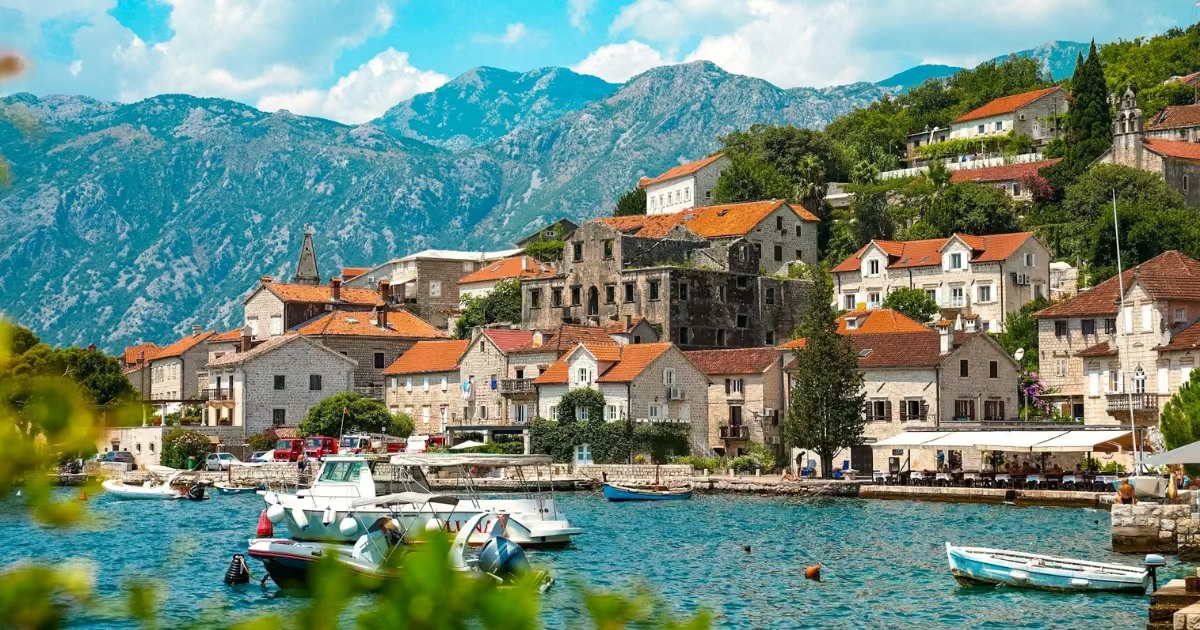
Montenegro is small enough to cross in a day, yet varied enough to fill several very different trips. The best places to visit in montenegró range from medieval towns pressed against the Bay of Kotor to wild mountain valleys, quiet lakes, sandy southern beaches, and lively coastal resorts. That contrast is what makes the country such a rewarding stop in the Balkans.
I’d resist trying to see every corner on one rushed itinerary. Montenegro’s roads can be wonderfully scenic, but mountain routes and coastal traffic make short distances take longer than they look on a map. Choose a few bases, allow time for spontaneous swims and long lunches, and you’ll get a much better feel for the country. The ten destinations below give you a strong mix of history, nature, culture, and independent travel.
Table of Contents
Best Places to Visit in Montenegro at a Glance
The best places to visit in Montenegro cover the country’s main travel experiences, from the Bay of Kotor and Adriatic beaches to national parks and traditional mountain towns.
- Kotor – Best for medieval history, scenery, and a first visit
- Perast – Best for a quiet bay setting and historic churches
- Budva – Best for beaches, nightlife, and coastal energy
- Sveti Stefan – Best for an iconic Adriatic view
- Durmitor National Park – Best for hiking, lakes, and mountain scenery
- Tara Canyon – Best for rafting and outdoor adventure
- Lake Skadar – Best for birdlife, boat trips, and slower travel
- Cetinje – Best for Montenegro’s royal and cultural history
- Ulcinj – Best for sandy beaches and a distinctive multicultural atmosphere
- Herceg Novi – Best for gardens, fortresses, and the entrance to the bay
Kotor Is the Best Starting Point for Montenegro
Kotor is the best starting point for most visitors because it combines a remarkably preserved old town with dramatic mountain scenery and easy access to the wider bay. Its stone lanes, small squares, churches, cafés, and defensive walls create the kind of place where getting lost is part of the plan.

The old town is compact, so I’d give myself time to explore it without turning every corner into a photo stop. Look for quiet courtyards, local bakeries, and small museums alongside the headline sights. The climb toward the old fortifications is physically demanding, but the views over the rooftops and deep blue bay explain why it remains one of Montenegro’s defining experiences. Go early if you prefer cooler conditions and fewer people on the path.
Kotor also works well for solo travelers. Hostels, walking tours, boat excursions, and busy cafés create natural opportunities to meet people, while the town is manageable enough for an independent day. Stay longer if you can, because the bay deserves more than a quick visit between bus connections.
If you’re building a wider European trip, you can compare Montenegro’s compact mix of coast and mountains with the best places to visit in Morocco, another destination where a single itinerary can move between historic towns, mountains, and coastline.
Perast Offers the Bay’s Quietest Historic Escape
Perast is the place to choose when you want the beauty of the Bay of Kotor with a slower, more intimate atmosphere. The waterfront settlement is lined with stone buildings, churches, and a calm promenade facing the narrow bay.

The small islands of Our Lady of the Rocks and Saint George sit offshore, and boat trips from the waterfront provide the classic way to see them. Check current boat availability locally, since services can vary with weather and season. Even without a trip on the water, Perast is worth visiting for a few unhurried hours of architecture, swimming, and waterfront dining.
Perast is not the place I’d choose for a busy nightlife scene or a long list of attractions. Its appeal is the pause. You can pair it with Kotor as a day trip, but staying overnight may appeal to travelers who want early-morning views and a quieter evening after day visitors leave.
Budva Brings Beaches and Coastal Energy
Budva is Montenegro’s liveliest coastal base, with beaches, a historic old town, restaurants, bars, and a nightlife scene that attracts a younger summer crowd. It suits travelers who want more activity and social energy than they’ll find in Perast or smaller bay settlements.
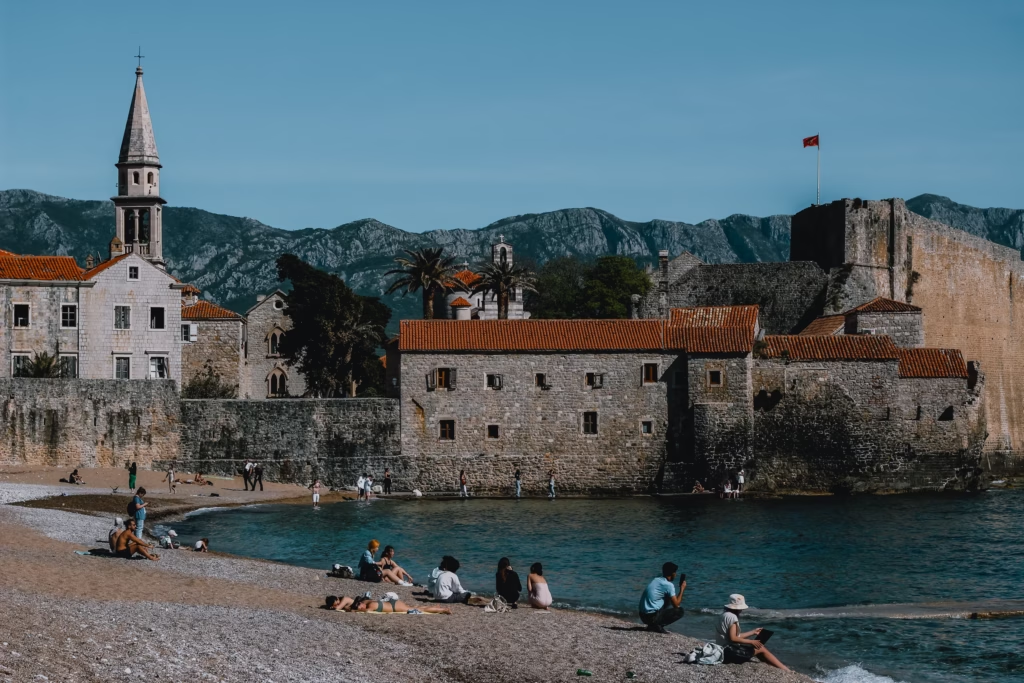
The old town sits within defensive walls beside the sea, with narrow lanes, stone buildings, churches, and small squares. Outside the walls, beaches and waterfront paths make it easy to alternate between sightseeing and swimming. Budva can feel busy during the summer season, so I’d book accommodation early if you’re traveling at that time and choose a location carefully if you want quiet nights.
For budget-conscious travelers, Budva offers plenty of hostels, casual restaurants, and transport connections, but prices can rise in the busiest coastal period. Eating a few streets away from the waterfront and staying slightly outside the old town can help keep costs under control. It’s also a useful base for exploring nearby beaches and viewpoints without changing accommodation every day.
Sveti Stefan Is Montenegro’s Classic Coastal View
Sveti Stefan is one of Montenegro’s most recognizable coastal sights, a fortified island village connected to the mainland by a narrow causeway. The best reason to include it is the view: terracotta roofs, stone walls, and clear Adriatic water form a striking scene from the surrounding road and beaches.
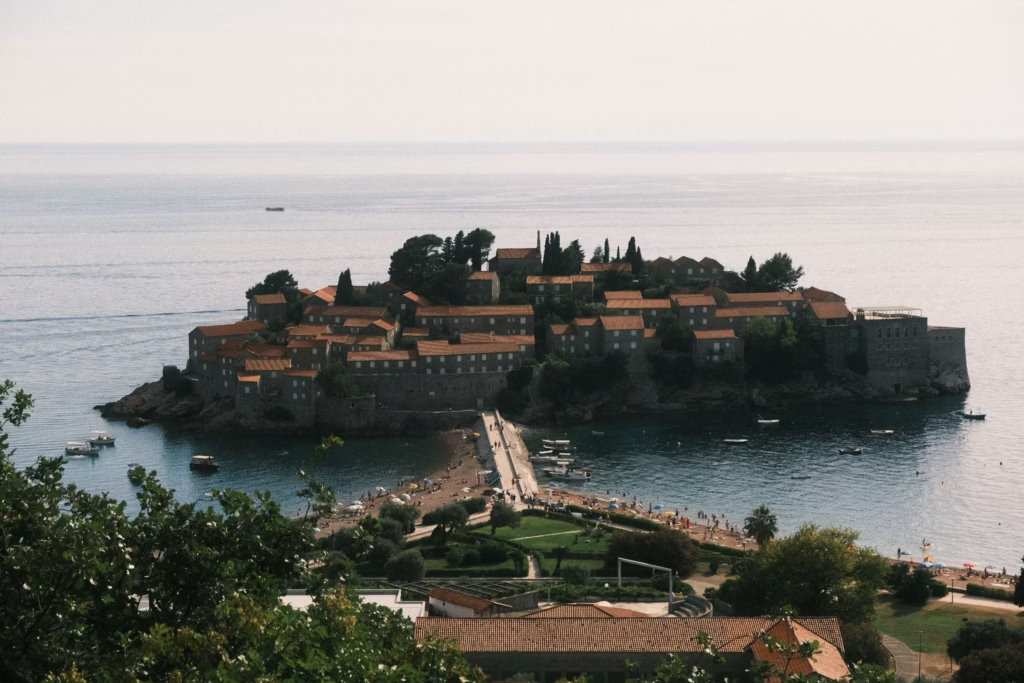
Access arrangements for the island can change, so don’t assume that seeing it from outside means you can enter. For most travelers, the practical experience is to stop at a viewpoint, walk through the surrounding coastal area, and continue toward nearby beaches or Budva. The setting is especially worthwhile for photographers and travelers who enjoy combining a famous landmark with a relaxed coastal walk.
This is a short stop rather than a destination that needs several days. I’d add it to a route between Budva and the southern coast, leaving enough time to avoid rushing through the viewpoints.
Durmitor National Park Is the Mountain Highlight
Durmitor National Park is the best place in Montenegro for mountain scenery, hiking, glacial lakes, and a complete change of pace from the coast. The town of Žabljak is the main base, with access to trails and viewpoints in the surrounding massif.

Crno Jezero, or Black Lake, is the park’s best-known landmark and an accessible introduction to the landscape. More ambitious travelers can research longer routes through the mountains, but conditions vary with weather, trail maintenance, and season. I’d check local guidance before setting out, carry suitable layers and water, and avoid treating a mountain trail like a casual city walk.
Durmitor is particularly rewarding for independent travelers because the days can be shaped around your energy. You might spend one morning on a short lakeside route, another on a longer hike, and a third simply exploring Žabljak and eating hearty regional food. The mountain climate can differ sharply from the coast, so pack for changeable conditions even when the Adriatic is warm.
For travelers comparing major nature destinations around the world, our guide to the best places to visit in Australia offers another useful look at how to plan around vast landscapes, regional weather, and outdoor adventures.
Tara Canyon Is Made for Outdoor Adventure
Tara Canyon is Montenegro’s choice for active travelers who want rafting, viewpoints, hiking, and a powerful river landscape. The canyon cuts through the northern mountains and is closely associated with the Tara River, whose clear water and steep forested sides create the setting for guided rafting trips.
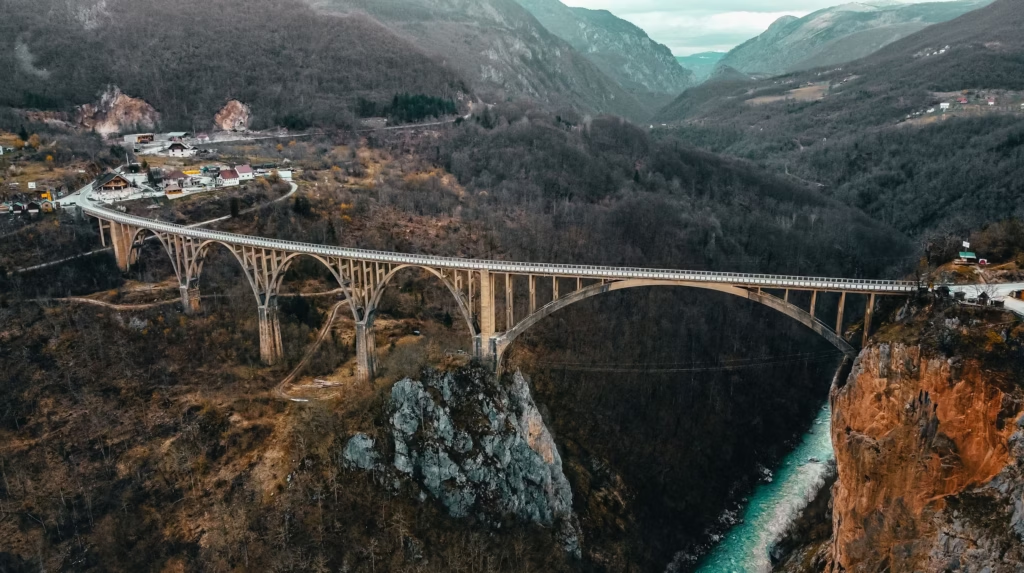
Rafting availability depends on river conditions and the season, so use a reputable local operator and confirm the current plan before traveling. You don’t need to be an experienced paddler for every excursion, but you do need to follow the guide’s instructions and bring clothing that can get wet. If rafting isn’t your thing, bridges and roadside viewpoints offer a less demanding way to appreciate the scale of the canyon.
Tara works naturally with Durmitor in a northern Montenegro itinerary. The region is less convenient than the coast for travelers relying entirely on public transport, so compare tour options, local transfers, and rental-car arrangements before committing to a tight schedule.
Lake Skadar Rewards Slow Travel
Lake Skadar is the best destination in Montenegro for a slower combination of wetlands, fishing villages, boat trips, and birdlife. The lake stretches across Montenegro and Albania, with Virpazar serving as one of the most convenient bases on the Montenegrin side.

A boat trip is the classic way to experience the lake, taking you through open water, narrow channels, and areas filled with water plants and birds. Choose an operator that explains its environmental practices and avoids disturbing wildlife. Routes and conditions can vary, so local information is more useful than relying on a fixed assumption about what every trip includes.
Virpazar is small, which makes it ideal for travelers who enjoy an unstructured day. Walk around the village, try local fish dishes, and use the lake as the focus rather than expecting a long list of attractions. Lake Skadar also pairs well with Montenegro’s central wine country and with the old royal capital of Cetinje.
Cetinje Adds History and Local Culture
Cetinje is the best place to visit in Montenegro for travelers who want context about the country’s political, royal, and cultural history. Set inland from the coast, the former royal capital has museums, historic residences, monasteries, and a more relaxed atmosphere than the main coastal towns.
The town is easy to explore on foot, and its compact layout makes it a useful stop between the coast and Lake Skadar. I’d visit with enough time to look beyond the most photographed buildings. Museums and former embassies help explain Montenegro’s complicated history as a small state shaped by neighboring empires, regional powers, and its own mountain traditions.
Cetinje is not a beach destination, and that’s exactly why it belongs on this list. A few hours here can add depth to an itinerary otherwise focused on scenery and swimming.
Ulcinj Brings Sandy Beaches and a Different Montenegro
Ulcinj is the southern coastal destination to choose for sandy beaches, long waterfront walks, and a distinctive multicultural character. Its old town occupies a rocky peninsula above the Adriatic, while the surrounding coast includes broad stretches of sand that feel different from the small pebble coves common elsewhere in Montenegro.

Long Beach, south of the town, is a major draw for travelers who want space, water sports, and a less enclosed beach experience. Conditions and available facilities vary by season, so check locally before planning a full day away from town. The old town is best explored slowly, with time for views from the walls and meals influenced by the area’s wider Balkan and Mediterranean traditions.
Ulcinj suits travelers who want a few beach days without choosing a conventional resort as their only base. It also makes a useful contrast with Kotor: one offers a mountain-framed historic bay, the other a sunnier southern coast with a different cultural rhythm.
Herceg Novi Is the Gateway to the Bay
Herceg Novi is the best base for travelers who want gardens, old fortresses, swimming spots, and access to the western end of the Bay of Kotor. Its steep streets and stairways lead between the waterfront, historic squares, and defensive structures with views across the entrance to the bay.
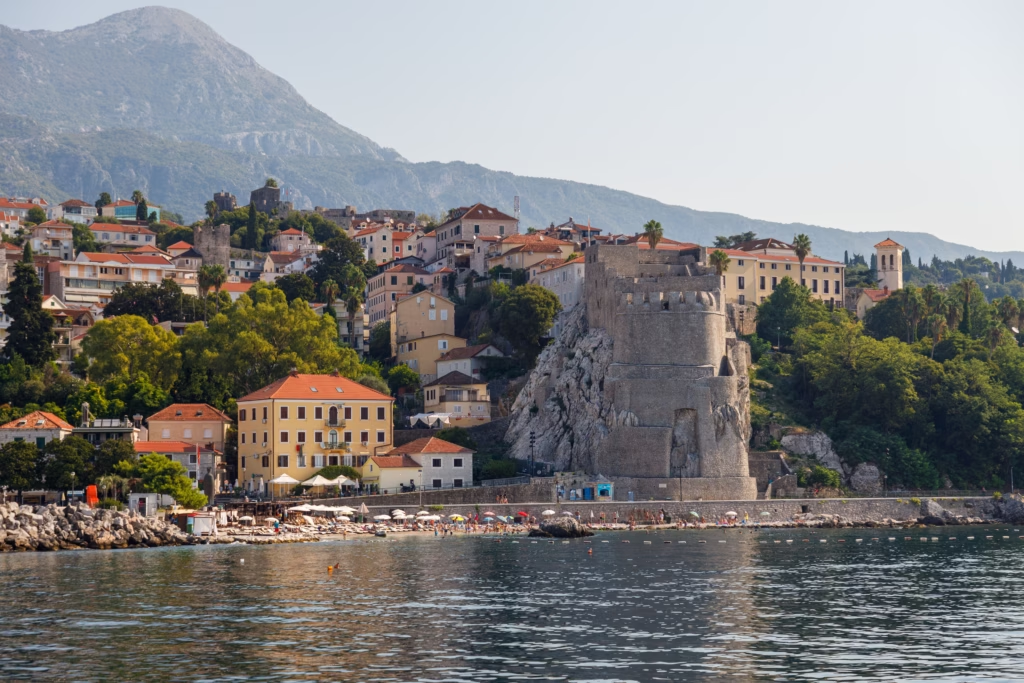
The town has a more lived-in feel than Kotor’s busiest center, while still offering plenty to explore. Walk along the promenade, visit the fortresses where access is available, and leave time for a swim or a boat trip. The terrain is hilly, so comfortable shoes make a real difference.
Herceg Novi is also a practical stop for travelers entering Montenegro from the direction of Croatia, although border and transport arrangements should always be checked for your dates. It can work as a base for several nights or as the final stop on a Bay of Kotor route.
How to Plan a Montenegro Itinerary
The best Montenegro itinerary balances the coast with at least one inland destination. A first visit could combine Kotor, Perast, Budva, and Sveti Stefan for the Adriatic experience, then continue to Durmitor or Lake Skadar for a completely different landscape.
Road travel gives you the most flexibility, particularly in the mountains and around Lake Skadar, but driving times can be unpredictable on winding routes and during busy coastal periods. Buses connect many popular towns, although less frequent services may require more planning. Save accommodation addresses, check the latest departure information, and avoid booking back-to-back connections that leave no room for delays.
Montenegro uses the euro, but costs still vary considerably between the coast, the mountains, and the season. I’d budget more for popular coastal towns during summer and look for guesthouses, bakeries, local restaurants, and longer stays if you’re traveling independently. The country is compact, but a slower route often costs less and feels more rewarding than constant transfers.
For a broader Balkans trip, Montenegro can pair well with neighboring Croatia, Bosnia and Herzegovina, Albania, or Serbia. If you’re comparing it with a far larger country, the best places to visit in Brazil show the opposite planning challenge: there, regional flights and long distances shape the itinerary much more heavily.
When to Visit Montenegro
Summer is the busiest season on the coast, with warm weather, busy beaches, and a lively atmosphere in Budva and other seaside towns. It’s a good fit if swimming and nightlife are priorities, but travelers should expect higher demand and more crowded roads than in the shoulder seasons.
Spring and autumn are appealing for walking, sightseeing, and road trips because conditions can be more comfortable away from the beach. Mountain weather remains changeable, and higher trails may not have the same access conditions as the coast. Winter can bring snow to the north and a much quieter atmosphere along the Adriatic, but some seasonal services may operate differently.
Because conditions vary sharply between the coast and the mountains, check each region separately for the year you plan to travel. Seasonal timing matters just as much in Montenegro as it does in larger countries; our guide to the best places to visit in China offers another example of why one national forecast rarely tells the whole story.
How Many Days Do You Need in Montenegro?
You can see a coastal highlight in a long weekend, but I’d allow at least a week to experience Montenegro without turning the trip into a chain of transfers.
- Three to four days: Base yourself in Kotor and add Perast, with a coastal day trip if time allows.
- Seven days: Combine Kotor, Budva, Sveti Stefan, and Lake Skadar or Cetinje.
- Ten days: Add Durmitor and Tara Canyon for a balanced coast-and-mountains itinerary.
- Two weeks: Include Ulcinj, Herceg Novi, and slower days around the Bay of Kotor without rushing the northern mountains.
My preferred approach is to choose one coastal base, one bay or central stop, and one mountain destination. That gives you enough variety to understand Montenegro while leaving space for the small discoveries that make independent travel worthwhile.
Montenegro Travel FAQs
What is the best place to visit in Montenegro for the first time?
Kotor is the strongest first base because it combines historic streets, mountain scenery, and access to Perast and the wider Bay of Kotor. Add Budva or Lake Skadar if you have more time.
What are the most beautiful places in Montenegro?
The Bay of Kotor, Durmitor National Park, Tara Canyon, Lake Skadar, and Sveti Stefan offer very different kinds of scenery. Your favorite may depend on whether you prefer medieval towns, mountains, lakes, or beaches.
Is Montenegro good for solo travelers?
Yes. Kotor, Budva, and other popular bases have hostels, walking tours, boat trips, and cafés where meeting people is relatively natural. Mountain travel requires more preparation, especially if you plan independent hikes.
Is Montenegro expensive for budget travelers?
It can suit a range of budgets, although popular coastal towns may cost more during summer. Hostels, guesthouses, local restaurants, buses, and longer stays can help keep expenses manageable.
What should I eat in Montenegro?
Look for grilled meats, fresh seafood, local cheeses, smoked specialties, pastries, and dishes influenced by the wider Adriatic and Balkan region. Ask local hosts what is produced in the area you’re visiting rather than ordering the same meal everywhere.
What should I do next?
Choose between the coast and the mountains first. If historic towns and swimming appeal most, begin with Kotor and Budva. If hiking and outdoor adventure are the priority, plan around Durmitor and Tara Canyon, then add the coast for a few slower days.