
The Best Places to Visit in Portugal
Discover the best places to visit in Portugal, from Lisbon and Porto to the Algarve, Madeira, the Azores, and hidden gems. Plan your perfect trip.
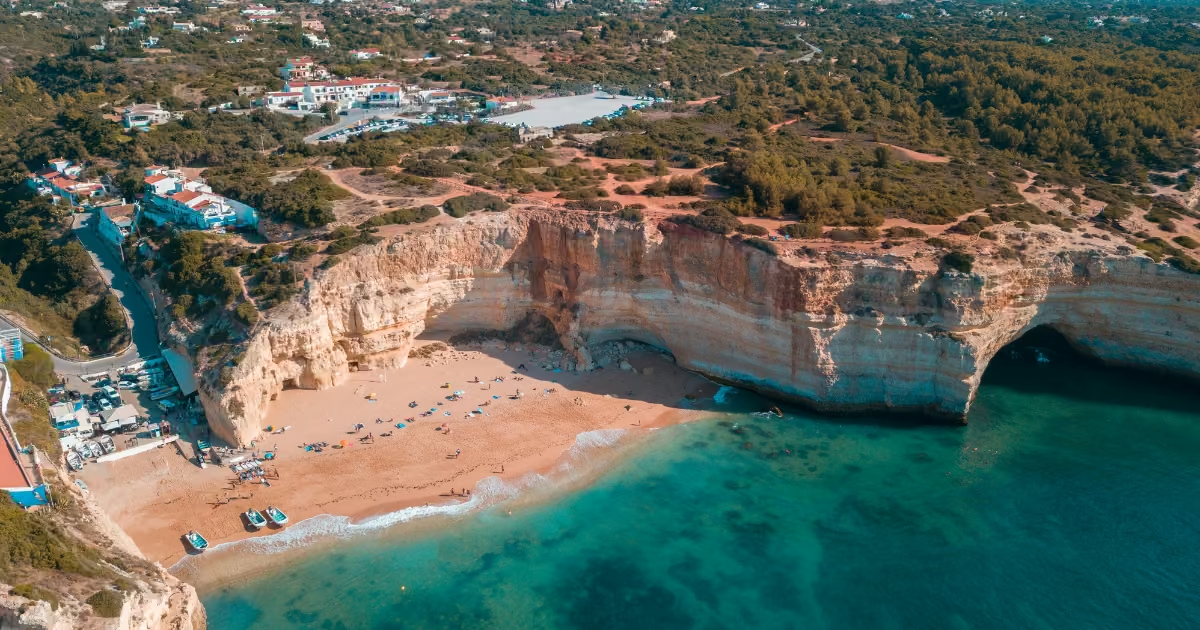
Table of Contents
Portugal has a way of overdelivering relative to its size. It’s a small country by European standards, yet somehow fits tiled-facade cities, volcanic islands in the middle of the Atlantic, cliff-lined surf beaches, terraced vineyard valleys, and fairy-tale palaces wrapped in fog, often within a couple of hours’ drive of each other. It’s also, refreshingly, still one of Western Europe’s better values, which hasn’t stopped it from becoming one of the continent’s most talked-about destinations.
This guide covers the best places to visit in Portugal by region, travel style, and season, so whether you’re planning a long weekend in Lisbon or a two-week loop through the mainland and islands, you can put together a route that fits.
Best Places to Visit in Portugal at a Glance
- Lisbon – Best for historic landmarks and city exploration
- Porto – Best for riverside scenery and historic architecture
- Algarve – Best for beaches and coastal landscapes
- Sintra – Best for palaces and mountain scenery
- Madeira – Best for dramatic landscapes and outdoor adventures
- Douro Valley – Best for scenic valleys and river views
- Azores – Best for volcanic landscapes and nature
- Coimbra – Best for history and cultural heritage
- Braga – Best for religious heritage and historic architecture
- Nazaré – Best for coastal scenery and traditional character
Best Places to Visit in Portugal
Lisbon – Best for Historic Landmarks and City Exploration
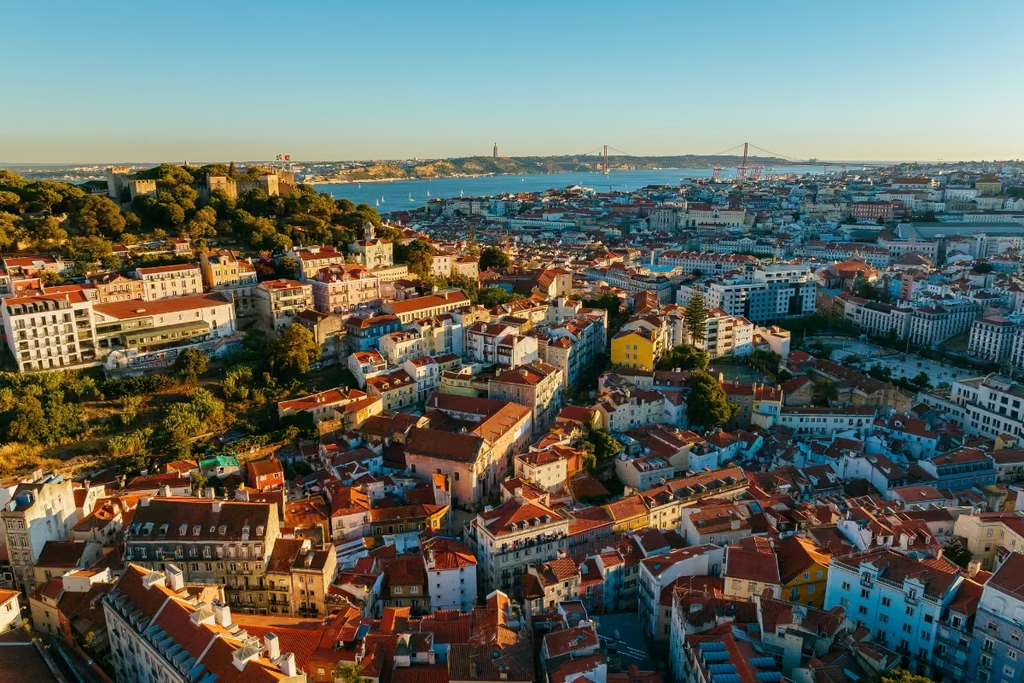
Lisbon is a city built on hills, and it makes you earn every view: climb up through the Alfama district’s narrow lanes, ride the iconic yellow Tram 28 past sun-bleached tilework, and reward yourself with a pastel de nata at a miradouro overlooking the Tagus River. Belém, just west of the center, holds the city’s grandest landmarks: the ornate Jerónimos Monastery and the riverside Belém Tower, both dating from Portugal’s Age of Discoveries. Give Lisbon at least three days; it rewards wandering more than checklist sightseeing.
Porto – Best for Riverside Scenery and Historic Architecture
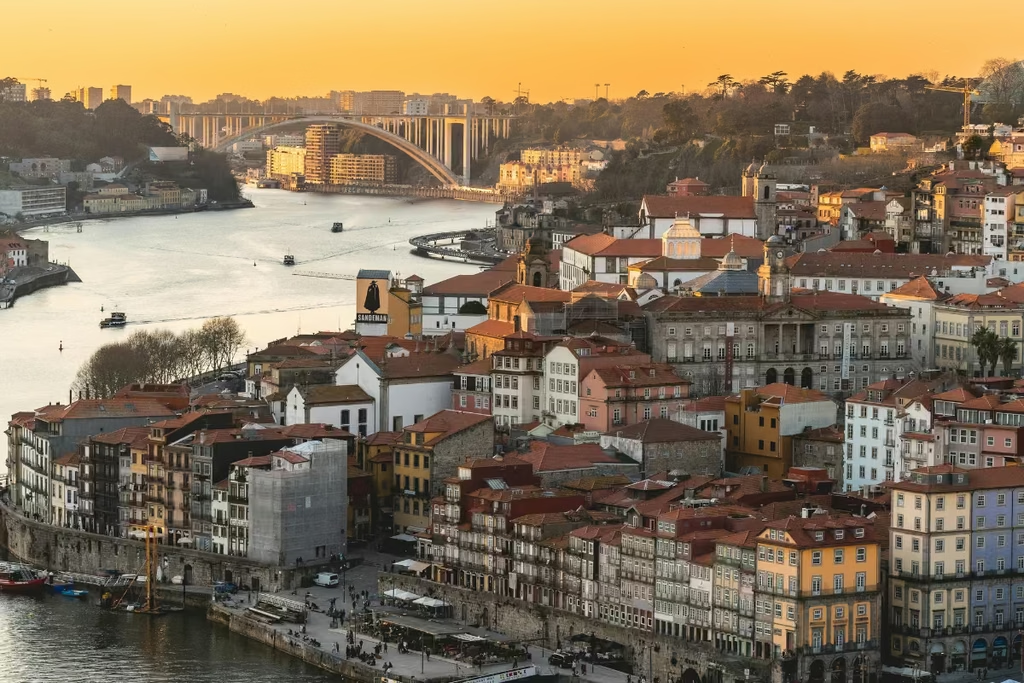
Porto stacks colorful, tiled buildings up a steep riverbank above the Douro, with the Ribeira district’s waterfront and the dramatic double-decked Dom Luís I Bridge forming one of Portugal’s most photographed views. Cross the river to Vila Nova de Gaia, and you’re in port wine country proper. This is literally where the drink gets its name, and the cellar tours here (with tastings included) are a genuine highlight, not just a tourist formality. Add the Livraria Lello bookstore and the ornate São Bento train station, and Porto easily holds its own against Lisbon for a multi-day city stay.
Algarve – Best for Beaches and Coastal Landscapes
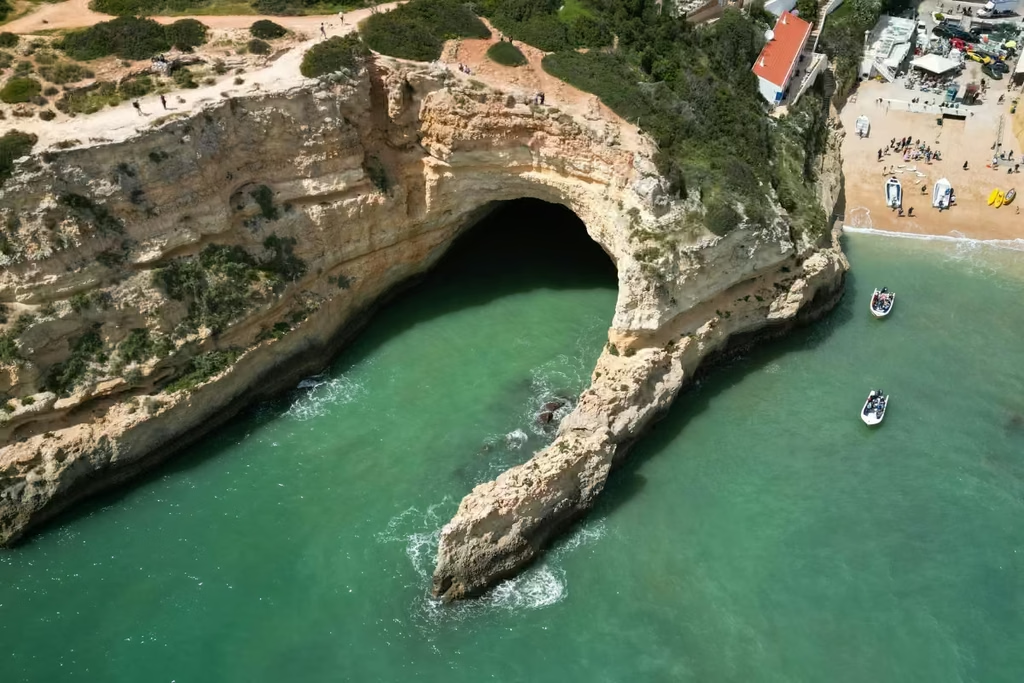
The Algarve is Portugal’s beach headline act, with dramatic ochre cliffs framing hidden coves along the southern coast. Lagos and its nearby Ponta da Piedade rock formations draw the biggest crowds for good reason. At the same time, quieter towns like Tavira on the eastern Algarve offer a slower, less-developed alternative with barrier-island beaches reachable by short boat rides. Base yourself centrally, and you can string together a different beach practically every day of a weeklong stay.
Sintra – Best for Palaces and Mountain Scenery
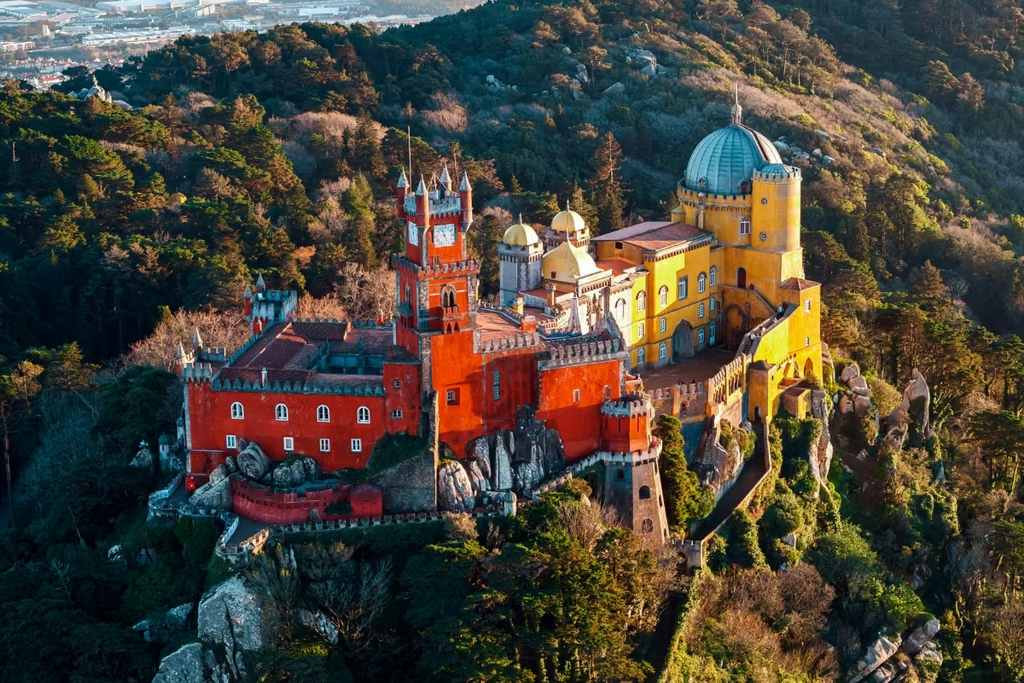
Sintra feels like it was designed by people who’d read one too many fairy tales, and that’s a compliment. The technicolor Pena Palace perches above a misty mountain forest, while Quinta da Regaleira’s underground tunnels and mystical Initiation Well add a genuinely eerie layer to the palace-hopping. It’s an easy day trip from Lisbon (around 40 minutes by train), though the crowds and one-way road system mean an early start pays off if you want to see more than one palace without losing half the day to queues.
Madeira – Best for Dramatic Landscapes and Outdoor Adventures
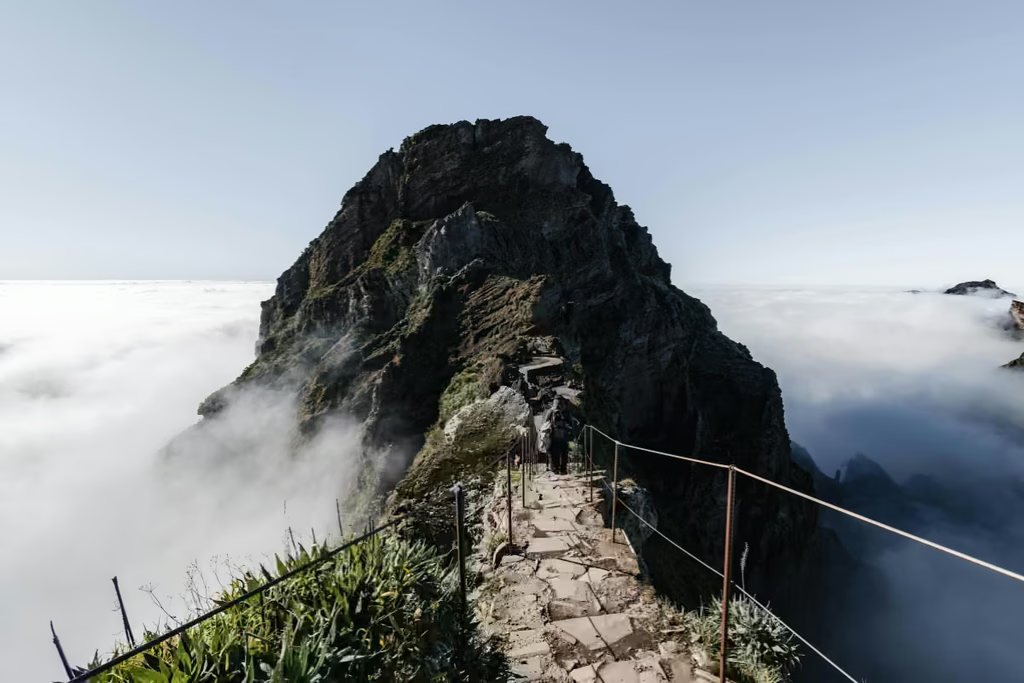
Madeira, an island floating in the Atlantic off the coast of Morocco, punches well above its weight for adventure travel: dramatic sea cliffs, subtropical forest, and a network of levada trails (old irrigation channels) that let you hike alongside waterfalls without much elevation gain. Funchal, the capital, offers a lively market and waterfront scene, but the island’s real draw is getting out into the terraced hillsides and volcanic landscape beyond the city. It’s also mild enough to visit comfortably nearly year-round.
Douro Valley – Best for Scenic Valleys and River Views
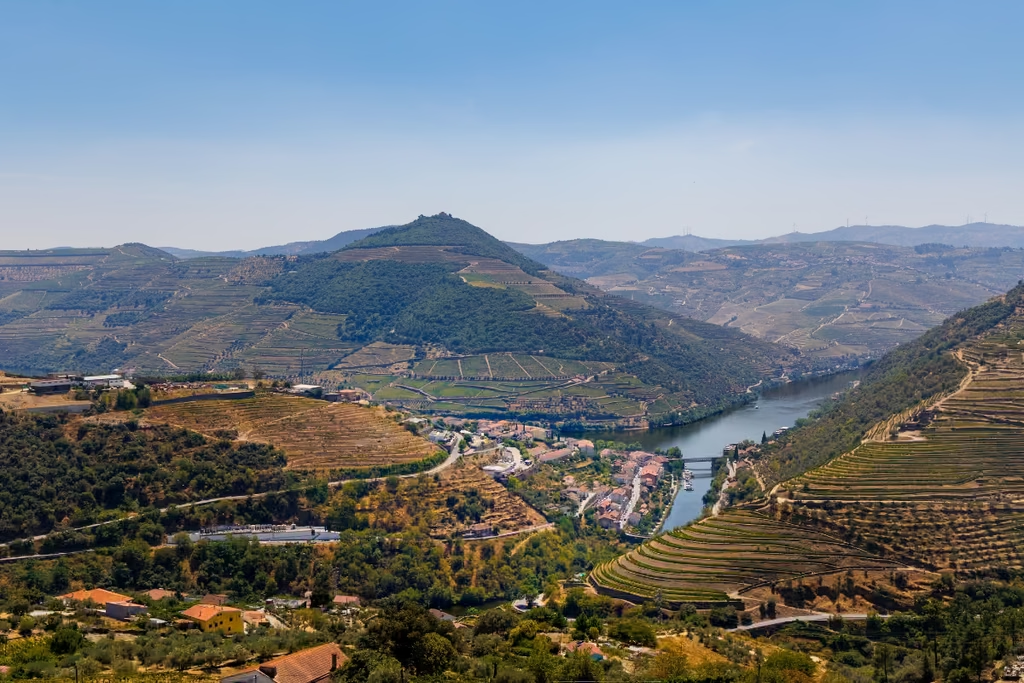
Just inland from Porto, the Douro Valley unfolds in terraced vineyards that step down toward the river in tight, geometric rows. It’s one of the oldest demarcated wine regions in the world, and it looks it. A river cruise or a scenic train ride along the Douro line delivers some of the best valley views without the effort of driving the region’s winding roads yourself, though a self-drive lets you stop at smaller quintas (wine estates) for tastings along the way. Come in autumn for the harvest, when the hillsides turn shades of gold and red.
Azores – Best for Volcanic Landscapes and Nature
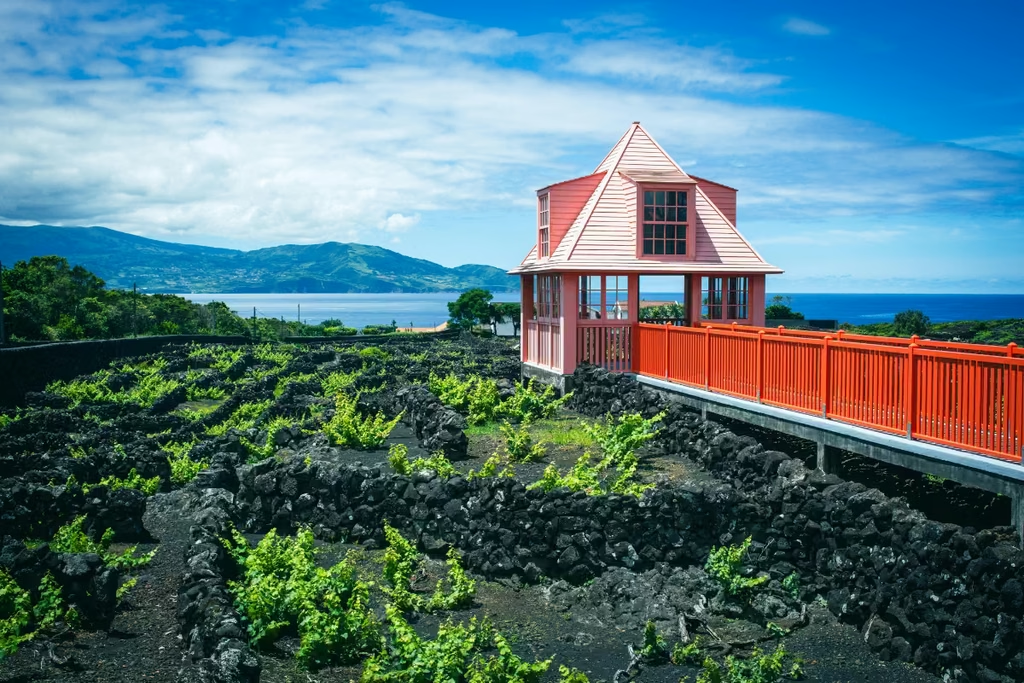
The Azores, a remote volcanic archipelago roughly 1,500 kilometers off mainland Portugal, feel like an entirely different country: crater lakes, steaming geothermal vents, and green hillsides that could pass for Ireland if not for the palm trees. São Miguel, the largest island, packs in the highlights: the twin lakes of Sete Cidades, the natural hot springs of Furnas, and some of Europe’s best whale-watching just offshore. It’s a destination built for hikers and nature lovers rather than beach loungers, and worth the extra flight for anyone chasing landscapes that feel genuinely untouched.
Coimbra – Best for History and Cultural Heritage
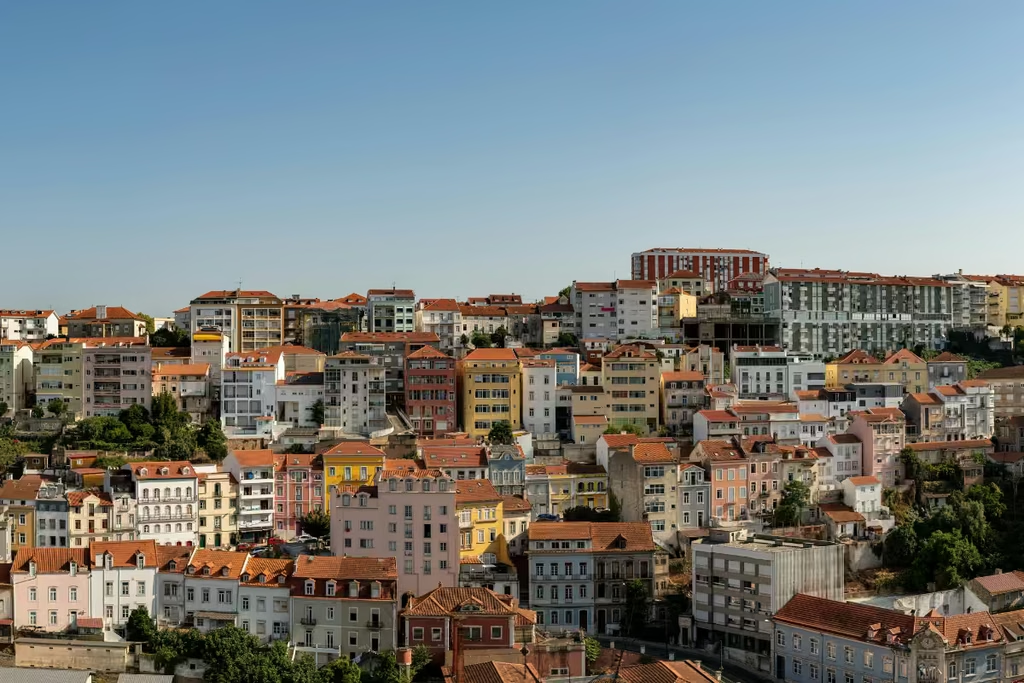
Coimbra was once Portugal’s capital and still carries the weight of that history, anchored by one of Europe’s oldest universities, founded in 1290. The university’s Joanina Library, with gilded woodwork and a resident colony of bats that protect the books from insects, is reason enough to visit, and the steep, narrow streets of the old town make for atmospheric wandering between sights. It’s a quieter, more academic alternative to Lisbon and Porto, ideal for travelers who want history without the crowds.
Braga – Best for Religious Heritage and Historic Architecture
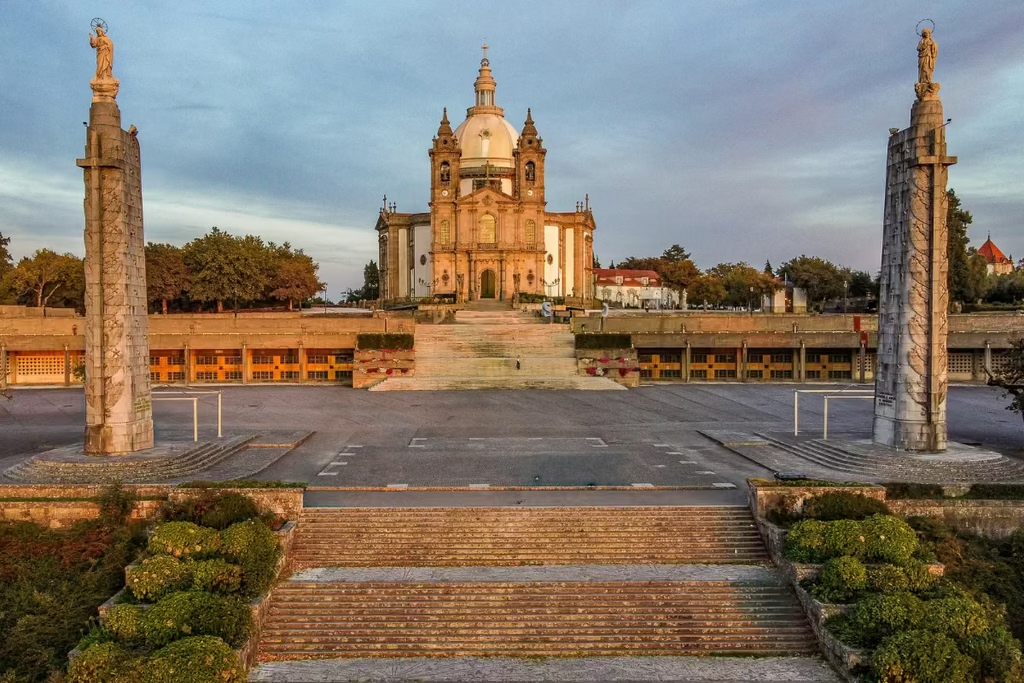
Braga is Portugal’s religious heart, and the Bom Jesus do Monte sanctuary makes the point emphatically: a Baroque staircase zigzagging up a forested hillside toward a hilltop church, best climbed on foot if your knees are willing. The city itself, one of the oldest in Portugal, blends Roman roots with Baroque churches and a lively student population that keeps the historic center from feeling like a museum piece. It pairs naturally with a Porto stay, since the two sit less than an hour apart.
Nazaré – Best for Coastal Scenery and Traditional Character
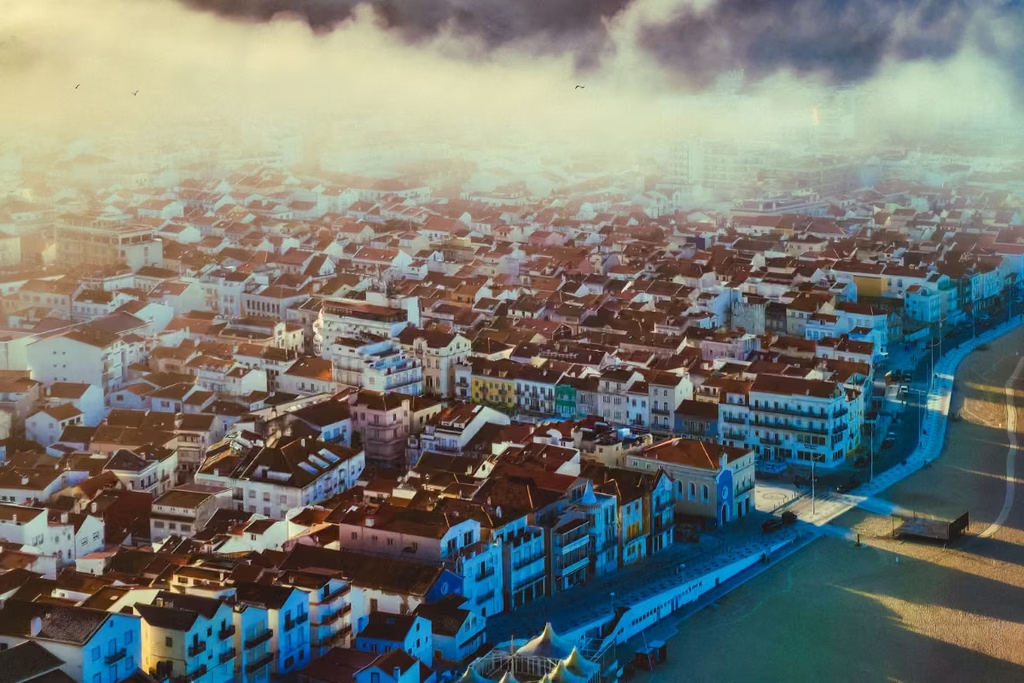
Nazaré is two towns in one: a traditional fishing village with a beachfront promenade and women still occasionally seen in the traditional seven-skirt dress, and, just around the headland, the site of the biggest rider-caught waves on Earth. Praia do Norte has hosted world-record surf attempts, drawing spectators to the clifftop lighthouse even when no one’s actually surfing. Outside big-wave season, it’s a mellow beach town with excellent, affordable seafood, a solid stop between Lisbon and the Silver Coast.
Best Places to Visit in Portugal by Travel Style
Best Places to Visit in Portugal for Beaches
The Algarve leads by a wide margin for classic cliff-backed beaches, while Nazaré and Madeira offer distinct coastal alternatives: one for dramatic surf culture, the other for volcanic sea pools.
Best Places to Visit in Portugal for Couples
Sintra’s palace-dotted hills and the Douro Valley’s vineyard scenery both make for romantic, slower-paced stops, with Porto’s riverside restaurants rounding out a couples’ itinerary nicely.
Best Places to Visit in Portugal for Families
The Algarve’s calm beaches and resort infrastructure suit families well, and Madeira’s mild climate and manageable hikes make it an easy pick for families with older kids.
Best Places to Visit in Portugal for History and Culture
Lisbon and Porto anchor the major historical sites, while Coimbra and Braga add university and religious history that’s easy to miss on a coast-only itinerary.
Best Places to Visit in Portugal for Nature
The Azores are the clear standout for dramatic, untouched landscapes, with Madeira’s levada trails offering a more accessible nature-focused alternative on the mainland side of the Atlantic.
Best Time to Visit the Best Places in Portugal
Spring (April–June) and early fall (September–October) offer the best balance of warm weather, manageable crowds, and lower prices across the mainland. July and August bring the busiest Algarve beach season and the warmest water, but also peak prices and crowds, particularly around Lisbon and Porto. Madeira’s mild climate makes it a solid year-round destination, while the Azores are best visited between May and September when hiking trails and boat-based whale-watching are most reliably open.
How to Get Around the Best Places in Portugal
Trains connect Lisbon, Porto, and Coimbra efficiently and comfortably, making the mainland’s main cities easy to cover without a car. For the Algarve, Douro Valley, and smaller towns like Nazaré, a rental car opens up far more flexibility, since bus and train schedules thin out considerably outside the main cities. Madeira and the Azores each require a separate flight from the mainland, and getting around within them is easiest by rental car given their limited public transit.
How Many Days Do You Need to Visit Portugal?
Ten to fourteen days lets you comfortably combine Lisbon, Porto, and the Algarve without feeling rushed. If time is tight, a week is enough to focus on Lisbon and Sintra, with maybe a couple of days added in the Algarve. Adding Madeira or the Azores into the mix is worth budgeting an extra three to five days per island, since both require separate flights from the mainland.
Best Places to Visit in Portugal FAQs
What is the best place to visit in Portugal for the first time?
Lisbon is the natural starting point for most first-time visitors, thanks to its central location, major international airport, and easy day-trip access to Sintra.
What is the most beautiful place to visit in Portugal?
Sintra’s palace-studded hills and the Azores’ volcanic crater lakes are both frequently named among Portugal’s most beautiful spots, with the Douro Valley’s terraced vineyards close behind.
What are the best places to visit in Portugal for beaches?
The Algarve is Portugal’s top beach destination, with Nazaré offering a distinct alternative built around dramatic surf and a traditional fishing-town atmosphere.
How many days do you need to visit Portugal?
Plan for at least seven days to cover Lisbon and one nearby region like the Algarve or Sintra, and ten to fourteen days if you want to add Porto and the Douro Valley as well.