
Best Time to Visit Bolivia? 5 Easy Tips You’ll Love
Find the best time to visit Bolivia with five practical tips for Uyuni, La Paz, the Amazon, Lake Titicaca, weather, crowds, and trip planning.
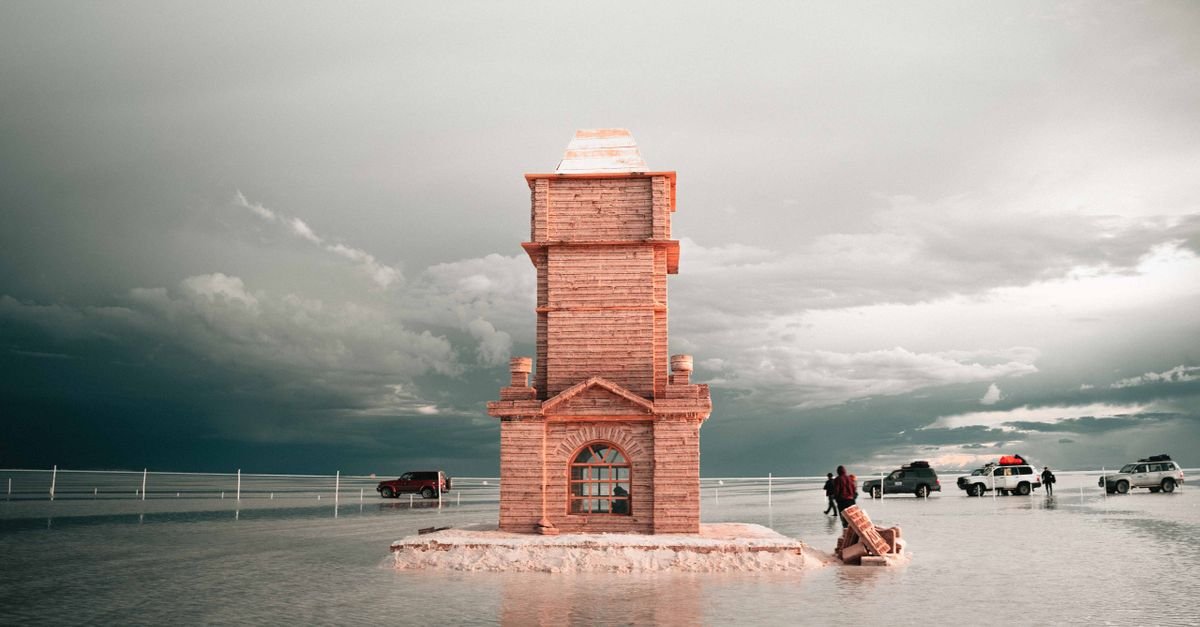
The best time to visit Bolivia depends on the kind of journey you want to build. The dry season can make highland routes easier to manage, while the wet season may turn the Salar de Uyuni into a giant reflective landscape. La Paz, Lake Titicaca, Sucre, the Amazon, and the altiplano can all feel very different at the same time, so there isn’t one perfect month for every traveler.
My favorite way to think about Bolivia is to start with the experience you care about most, then shape the route around it. Do you want mirror-like salt flats, clear mountain views, rainforest wildlife, local festivals, or slower days in colonial cities? These five practical tips will help you choose your travel window without overcomplicating the planning.
Table of Contents
Best Time to Visit Bolivia: Start With Your Main Experience
The best time to visit Bolivia starts with choosing your main experience, because salt flats, high-altitude cities, rainforest trips, and cultural travel each have different seasonal priorities.
If the Salar de Uyuni is the reason you’re coming, decide whether you prefer the stark, geometric patterns of dry salt or the reflective-water effect that can appear during the wet season. The surrounding Uyuni route matters just as much as the salt flat itself: multi-day excursions can cross high-altitude deserts, lagoons, volcanic terrain, and wildlife areas. Conditions vary, and access can change, so check current information before booking a non-refundable trip.
Travelers who want clear highland scenery may prefer a drier travel window, particularly for routes around La Paz, Lake Titicaca, Sajama, and the southwest. Those who are drawn to unusual photographs may accept more changeable conditions for the chance of reflections on the salar. Neither choice is automatically better. I’d choose based on whether you value predictability or a particular landscape effect more.
For rainforest wildlife, your priorities shift again. Rurrenabaque is the gateway to Madidi National Park and pampas trips, where heat, humidity, river conditions, and rain can shape the experience. Wildlife sightings are never guaranteed, so choose an operator that explains conservation practices, transport, accommodation, and weather procedures honestly.
A cultural itinerary can be more flexible. La Paz, Sucre, Potosí, and Cochabamba offer markets, museums, historic architecture, food, and everyday city life that don’t depend entirely on perfect weather. Sucre is especially useful as a slower base between demanding journeys, while Cochabamba offers a valley setting and a chance to focus on markets and regional food.
Tip 1: Understand Bolivia’s Dry and Wet Seasons
Bolivia’s dry and wet seasons affect roads, landscapes, outdoor activities, and the feel of highland travel, but the exact experience depends on where you go and how flexible your itinerary is.
The drier season is often convenient for travelers planning highland routes, trekking, and overland journeys. Clearer conditions may make mountain landscapes easier to appreciate, but dry weather can also mean cold nights, intense sun, and dusty roads. Pack warm layers even if your daytime photographs look bright and warm.
The wetter season can bring more complicated road conditions and interruptions to outdoor plans. At the same time, rain may create the reflective surface many travelers hope to see on the Salar de Uyuni. If you travel during a wetter period, allow extra flexibility and avoid connecting a remote excursion directly to an important flight or international journey.
Seasonal labels are only a starting point. A forecast for La Paz will not tell you what conditions are like in the Amazon, and the weather around Lake Titicaca can feel completely different from the lower valleys. Check each region on your route close to departure and ask local accommodation providers or tour operators about current access.
I’d also avoid building a trip around one photograph. The salar is a huge working landscape, and conditions may not produce the exact reflections or colors you imagined. The wider route with lagoons, volcanic scenery, wildlife, and open skies is part of the experience.
Tip 2: Give Altitude the Respect It Deserves
Altitude should shape your Bolivia itinerary from the first day, because many popular destinations sit high above sea level and even fit travelers may need time to adjust.
La Paz is an energetic introduction to the country, with markets, museums, food, cable cars, and dramatic mountain views, but it is not a place to arrive and immediately schedule a packed day. Keep your first plans light, drink water, and pay attention to how your body feels. If altitude may be a concern, ask a qualified medical professional for advice before traveling.
The same principle applies to Uyuni, Potosí, Lake Titicaca, Copacabana, and Sajama. A trip that looks easy on a map can feel demanding when you combine elevation, long transfers, cold nights, intense sun, and basic accommodation. Build in breathing room rather than treating acclimatization as time wasted.
Altitude also changes what you pack. Bring layers, sun protection, comfortable shoes, a reusable water bottle, and warm clothing for early mornings and nights. If you plan to hike, ask about current trail conditions and be honest about your fitness and experience. No viewpoint or summit is worth ignoring concerning symptoms.
For first-time visitors, I’d place demanding activities after a slower introduction rather than on the first morning. A gentle city walk, a relaxed meal, or a simple market visit can help you settle into the country while leaving more ambitious plans for later.
Tip 3: Match the Season to Your Bolivia Route
The right season depends on whether your route focuses on the highlands, the valleys, the lake, or the rainforest, because Bolivia doesn’t have one uniform travel climate.
Highlands and the Salar de Uyuni
The highlands are the classic choice for travelers interested in La Paz, Uyuni, Potosí, Lake Titicaca, and Sajama National Park. These destinations reward careful planning because long journeys, high elevation, remote roads, and sudden weather changes can all affect your day.
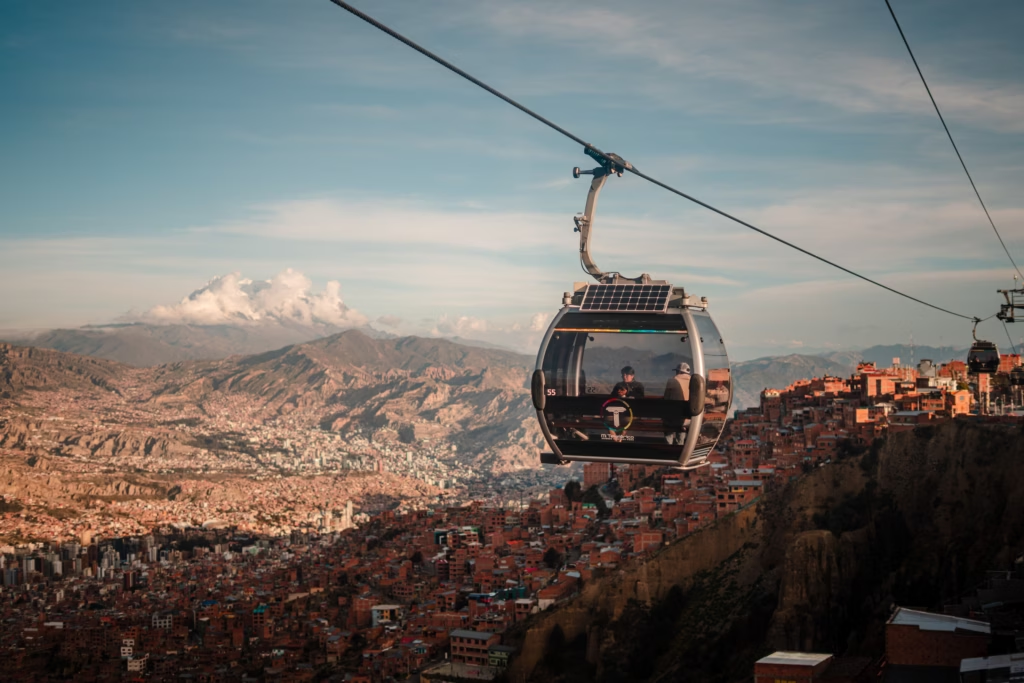
Uyuni excursions are usually multi-day experiences, so compare operators instead of choosing solely on price. Ask what transport, meals, accommodation, water, entrance arrangements, and emergency procedures are included. A maintained vehicle and a guide who takes altitude and weather seriously matter more than finding the absolute cheapest option.
Sajama is a quieter alternative for travelers who want volcanoes, geysers, hot springs, lagoons, and open altiplano scenery. Services are limited and accommodation can be basic, so it suits people who enjoy remote landscapes and can travel with realistic expectations.
Valleys and colonial cities
Sucre and Cochabamba can add a gentler rhythm to a highland itinerary. Sucre’s whitewashed historic center, museums, cafés, language schools, and nearby countryside make it a useful place to slow down. Cochabamba brings markets, gardens, regional food, and a valley atmosphere that contrasts with colder high-altitude destinations.
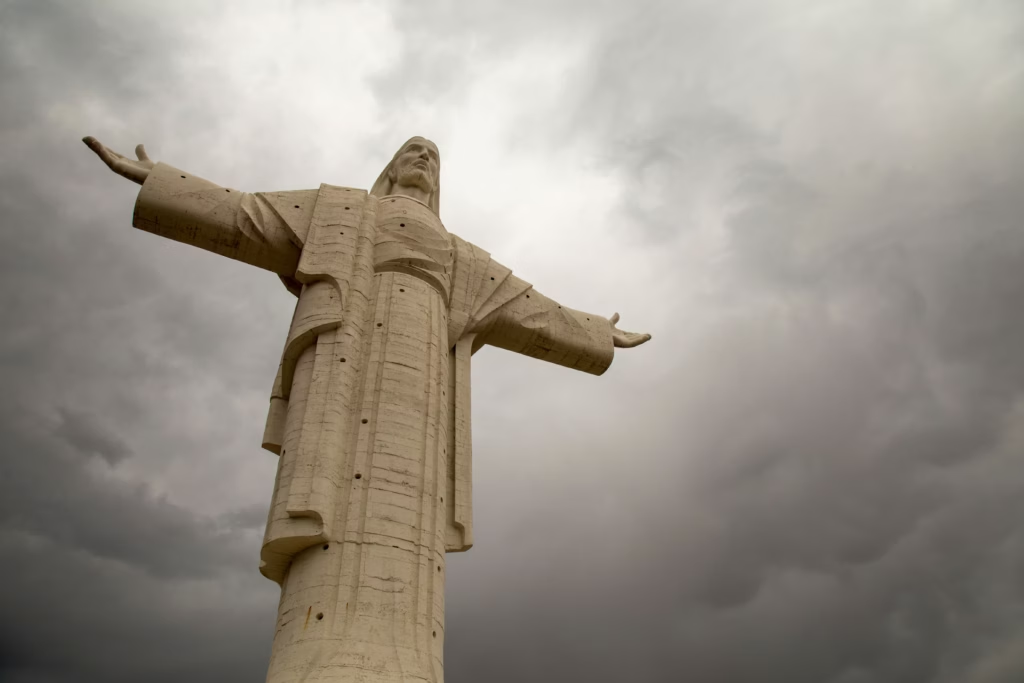
These cities are a good choice when your trip is not entirely dependent on outdoor conditions. You can spend a morning exploring architecture, take a long lunch, join a walking tour, or ask your accommodation about local activities. That flexibility is valuable during changeable weather.
Lake Titicaca and the Amazon
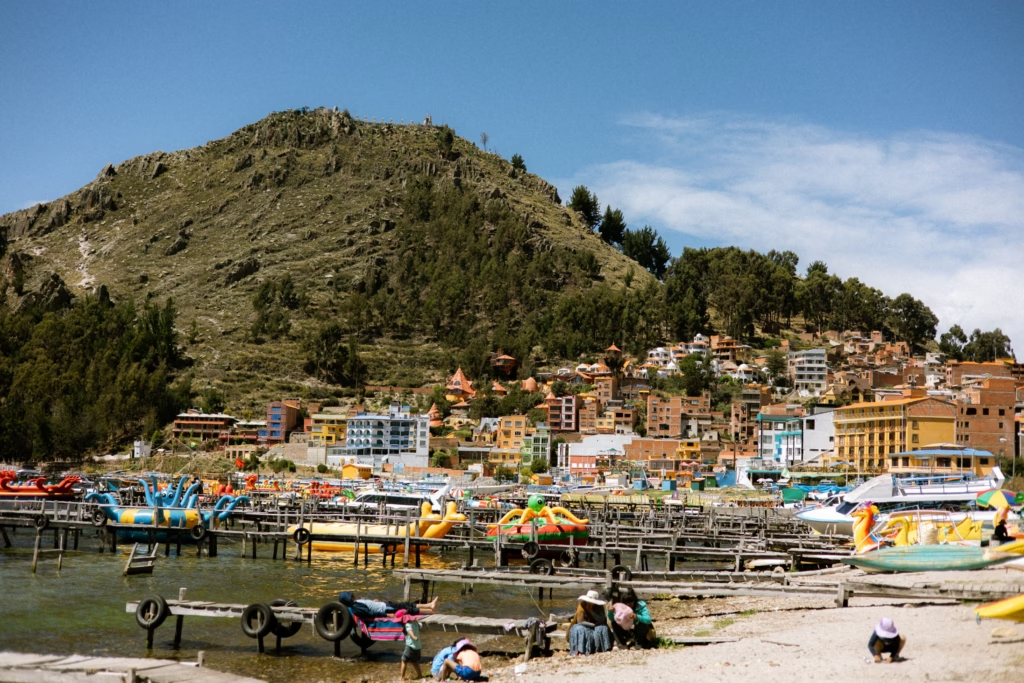
Copacabana and Lake Titicaca suit travelers who want lake scenery, spiritual heritage, islands, and a slower route. Boat arrangements and access can change, so check current information locally and avoid planning a tight connection immediately after a lake excursion.
Rurrenabaque and Madidi offer a very different Bolivia, with rainforest, river journeys, wildlife, and humid lowland conditions. Give yourself buffer time around transport and follow your operator’s advice about clothing, rain protection, insects, and water. A rainforest trip should feel immersive rather than like a rushed dash in and out.
If you’re still deciding between Bolivia’s highlands and another varied South American itinerary, you can compare this route with the best places to visit in Guatemala, where volcanoes, highland culture, jungle, and ancient ruins create a similarly diverse travel experience.
Tip 4: Plan Around Crowds, Events, and Flexibility
The best time to visit Bolivia for a relaxed trip is the period that gives you enough flexibility for weather, local events, and transport changes rather than simply the month with the most popular reputation.
Bolivia’s cities and destinations can feel especially lively around cultural and religious celebrations. Events may bring music, processions, traditional clothing, food, and a strong sense of local identity, but dates, venues, and arrangements can change. Confirm current details with an official organizer or local tourism authority before booking your entire itinerary around a celebration.
Attend respectfully. Ask before photographing people, ceremonies, or religious moments, and observe local etiquette rather than treating a community tradition as a backdrop. A local guide can add context and help you understand what you’re seeing.
Flexibility matters just as much outside festival periods. Long-distance buses, remote roads, boat transfers, and multi-day tours may not line up perfectly. I’d reserve the parts of the trip that are genuinely difficult to replace such as a specific Uyuni excursion or a scarce remote stay then leave room elsewhere.
Solo travelers can use this flexibility to their advantage. Hostels, Spanish schools, walking tours, shared excursions, and group transfers create natural opportunities to meet people. You don’t have to turn every day into a social event; a shared tour followed by a quiet meal or a solo city walk can create a good balance.
For another destination where timing, weather, and coastal demand shape the trip, take a look at our guide to the best time to visit Croatia. The landscapes are very different, but the planning lesson is similar: choose your main experience first, then select dates.
Tip 5: Pack for More Than One Climate
The easiest way to prepare for Bolivia is to pack for sharp changes in temperature, elevation, and weather instead of assuming the whole country will feel the same.
- Warm layers for highland mornings, evenings, and remote overnight routes
- Lightweight clothing for valleys and tropical lowlands
- Rain protection for wet-season travel and rainforest excursions
- Sun protection, including a hat and sunglasses
- Comfortable shoes with grip for cobbled streets, trails, and uneven ground
- A reusable water bottle and any personal medication
- Waterproof protection for your phone, documents, and camera
- A small first-aid kit and secure day bag
Keep your luggage practical. You’ll be happier with layers you can combine than with a large wardrobe designed for one forecast. If you join a multi-day Uyuni route, make sure the clothing you need for cold nights is accessible rather than buried in a large bag.
Rain gear matters even if the forecast looks promising, particularly when your plan includes remote roads, forest areas, or outdoor activities. At the same time, don’t forget the sun: high-altitude sunlight can feel strong even on cool days.
Where Should You Go in Bolivia in Different Seasons?
Where you should go in Bolivia depends on whether you want dependable highland travel, reflective salt-flat landscapes, rainforest immersion, or a slower cultural itinerary.
Choose La Paz for markets, museums, food, mountain views, and an energetic introduction to Bolivian city life. It’s also a useful base for meeting other travelers through hostels, walking tours, and group excursions.
Choose Uyuni for the Salar de Uyuni and the wider southwest circuit. Go prepared for long days, high altitude, basic conditions, and changing weather. Compare tour providers carefully.
Choose Sucre for colonial architecture, language learning, museums, cafés, and a calmer pace. It’s a strong place to pause between more demanding routes.
Choose Lake Titicaca for highland lake scenery, Copacabana, island excursions, and spiritual heritage. Stay flexible around boat arrangements.
Choose Rurrenabaque for Madidi, the pampas, river travel, and wildlife. Remember that sightings are never guaranteed and responsible tourism should be part of your operator comparison.
If you’re extending a broader trip and want to compare Bolivia with another destination known for dramatic regional contrasts, our guide to the best time to visit Puerto Rico offers a completely different island-based approach to weather and itinerary planning.
Bolivia Travel FAQs
What is the best month to visit Bolivia?
There isn’t one best month for every traveler. Choose a drier period if highland routes and outdoor access are your priority, or consider wetter-season travel if you especially want the reflective Salar de Uyuni effect. Check conditions for each region on your route.
How many days do you need in Bolivia?
A week can work for a focused route through La Paz, Uyuni, and either Sucre or Lake Titicaca. Two weeks gives you more room to include Potosí, Sajama, or additional time in the highlands. Longer trips make it easier to add Rurrenabaque and the rainforest without rushing.
Is Bolivia good for solo travelers?
Yes. Hostels, Spanish schools, walking tours, shared transfers, and multi-day excursions can make meeting people straightforward. Remote destinations require more preparation, and solo hikers should take current conditions and local advice seriously.
Is Bolivia expensive for backpackers?
Bolivia can suit budget-conscious travelers who use hostels, guesthouses, local restaurants, and shared excursions. Costs vary by route and activity. For tours, compare what is included and prioritize reputable guides, maintained vehicles, suitable equipment, and clear emergency procedures over the lowest advertised price.
What should you do next?
Choose one priority salt flats, high-altitude cities, colonial culture, lake scenery, mountain landscapes, or rainforest—and build the trip around it. Check current weather and transport information, allow time to acclimatize, and reserve only the parts of the journey that truly need advance planning. Then leave enough space for Bolivia’s roads, landscapes, and local conversations to shape the adventure.
If you’re still comparing destinations for a longer journey, you can also browse Guatemala’s varied travel routes alongside Bolivia’s highland and rainforest itinerary. Both reward curiosity, patience, and a willingness to travel beyond a rigid checklist.