
The Best Time to Visit Puerto Rico: Travel Tips
Find the best time to visit Puerto Rico with practical advice on weather, beaches, crowds, festivals, budgets, packing, and flexible trip planning.

The best time to visit Puerto Rico depends on what you want from the island. Beach days, rainforest walks, cultural events, lower crowds, and easier prices can all point toward different travel windows. There isn’t one perfect month for everyone, and I think that’s good news: with a little flexibility, you can shape Puerto Rico around your own priorities.
Puerto Rico works beautifully for independent travelers because you can combine lively San Juan with smaller coastal towns, mountain roads, historic communities, and forest landscapes. You don’t need to plan every hour. In fact, leaving space for a long lunch, an unexpected viewpoint, or a conversation with a local can make the trip feel much more personal.
Table of Contents
Best time to visit Puerto Rico at a glance
The best overall time to visit Puerto Rico is usually the shoulder season, when you can balance pleasant conditions with fewer travelers, but the right choice depends on your itinerary and tolerance for changing weather.

- For the most popular beach-and-city trip: Choose a period with a favorable forecast and reserve accommodation early.
- For fewer crowds: Look at shoulder-season dates and stay flexible between the coast and mountains.
- For rainforest adventures: Build in weather flexibility and check trail conditions close to your visit.
- For festivals and local culture: Plan around a specific event only after confirming its current dates and location.
- For budget travel: Compare several travel windows rather than assuming one season is always cheapest.
- For a first visit: Mix San Juan with one coastal base and one inland or nature-focused stop.
The most useful rule is simple: choose your activities first, then choose your dates. A traveler who wants long beach days may prefer a different window from someone who cares most about hiking, photography, or cultural events.
Puerto Rico weather: what to expect through the year
Puerto Rico has a tropical climate, but weather is not identical across the island, so your experience can change between the north coast, the south coast, the mountains, and the offshore islands.
That regional variety matters more than many first-time visitors expect. San Juan may have a very different afternoon from a mountain town, while the dry southern coast can feel unlike the wetter northeastern forest. Rather than searching for one island-wide forecast, check the specific places on your route.
Rain also doesn’t always mean a ruined day. Tropical showers can be brief, while a cloudy morning may make walking or sightseeing more comfortable. I’d plan outdoor activities early when possible, keep a light rain layer in my day bag, and avoid treating a forecast as a promise. Weather can change quickly, particularly around elevated areas.
The practical takeaway is to build a mixed itinerary. If one day is too wet for a beach plan, you might visit a museum, explore a historic neighborhood, enjoy a long meal, or move an outdoor activity to another day. That kind of flexibility is more valuable than trying to identify a flawless weather window months in advance.
When to visit Puerto Rico for beaches and swimming
The best time for Puerto Rico beaches is the period when your chosen coastline has the conditions you want and your schedule leaves room to adjust for wind, rain, and changing water conditions.
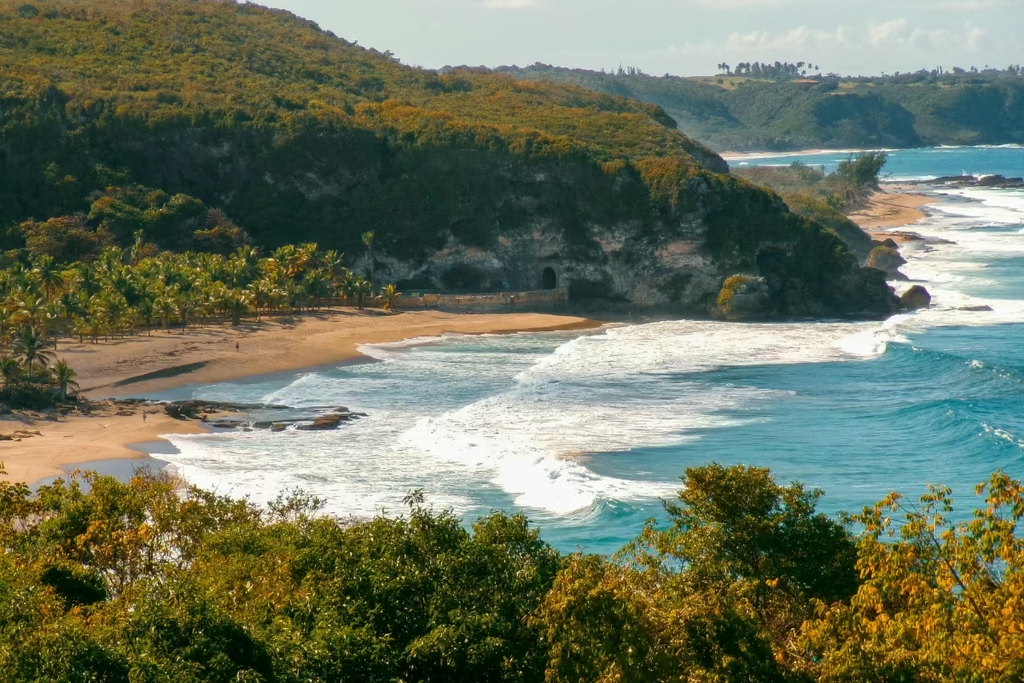
Puerto Rico has beaches for different moods. Some are convenient for a quick swim near developed areas, while others are better suited to a full day with food, shade, and minimal plans. The most famous beach is not automatically the best fit for every traveler. Ask your accommodation or a local beach operator about current conditions, especially if you are unfamiliar with the area.
Beach trips are easiest when you avoid overloading the day. Bring water, sun protection, a dry bag or other protection for electronics, and a plan for getting back after sunset. On quieter stretches, services may be limited, so don’t assume you can buy everything once you arrive.
Travelers interested in snorkeling, diving, kayaking, or boat excursions should check conditions with an established local operator. Ask what equipment is included, whether the activity suits your experience, how weather changes affect the route, and what happens if conditions make the outing impractical. Responsible operators should prioritize the environment and explain limitations honestly.
For a broader Caribbean comparison, you can also browse the best places to visit in Nicaragua, especially if you’re deciding between a beach-focused trip and a route that combines coast, volcanoes, and inland culture.
When to visit Puerto Rico for fewer crowds and better value
The best time for a quieter or more budget-conscious Puerto Rico trip is usually a shoulder period, although exact demand and accommodation rates vary by destination and travel dates.
I’d compare several date ranges instead of relying on a blanket rule about high and low season. Search accommodation in San Juan and in the smaller towns you’re considering, then compare the total cost of transport, activities, and meals. A cheaper room far from your planned activities may not save money once you add transfers or rental-car costs.
Popular holiday periods can bring more demand to beaches, historic districts, and transport routes. If you travel during a busy period, reserve the parts of the trip that are hardest to replace first. That might be a small guesthouse, a popular excursion, or a car for a rural itinerary. Leave the rest flexible.
Shoulder-season travel can be especially appealing for solo visitors. Hostels and group activities may still provide opportunities to meet people, while a less crowded atmosphere makes it easier to talk with local hosts, browse markets, and explore beyond the main attractions. Puerto Rico doesn’t have to be a resort-only destination, and traveling more slowly can help you see that.
Puerto Rico’s seasons and what they mean for your itinerary
Puerto Rico’s seasons are best understood as changing patterns of heat, rain, demand, and outdoor conditions rather than four sharply divided periods.
Cooler and busier travel periods
Periods that feel more comfortable to many travelers can also attract more visitors. This is when advance planning becomes more important, particularly in San Juan, on popular beaches, and around major events. If you want a social trip, the extra activity can be enjoyable; if you prefer quiet mornings, consider staying outside the busiest districts.
Pack light clothing, comfortable walking shoes, sun protection, and a thin layer for air-conditioned spaces. Even when the weather feels warm outdoors, buses, restaurants, and accommodation can feel noticeably cooler.
Hotter and wetter travel periods
Warmer or wetter periods can still be rewarding, especially if you enjoy lush scenery and flexible travel. The trade-off is that rain may interrupt hiking, boat trips, or beach plans, so avoid creating an itinerary that depends on one specific outdoor day.
Choose accommodation with a comfortable indoor space, keep a backup activity in each destination, and protect passports, cameras, and phones from sudden showers. If you’re heading into the mountains or rainforest, confirm current trail access and conditions before leaving town.
Event-focused travel
Festivals, parades, music, and religious celebrations can add a strong sense of place, but event details can change. Check current information from the official organizer or local tourism authorities before booking flights and accommodation around a date. Don’t assume an event follows the same schedule every year.
When attending a community celebration, watch first and follow local etiquette. Ask before photographing people, performers, or religious moments. The best cultural experiences usually come from participation with respect rather than trying to capture every second on camera.
Where to go in Puerto Rico in different weather
The best place to visit in Puerto Rico on a particular day depends on the local forecast, your transport, and how much effort you want to spend reaching an alternative.
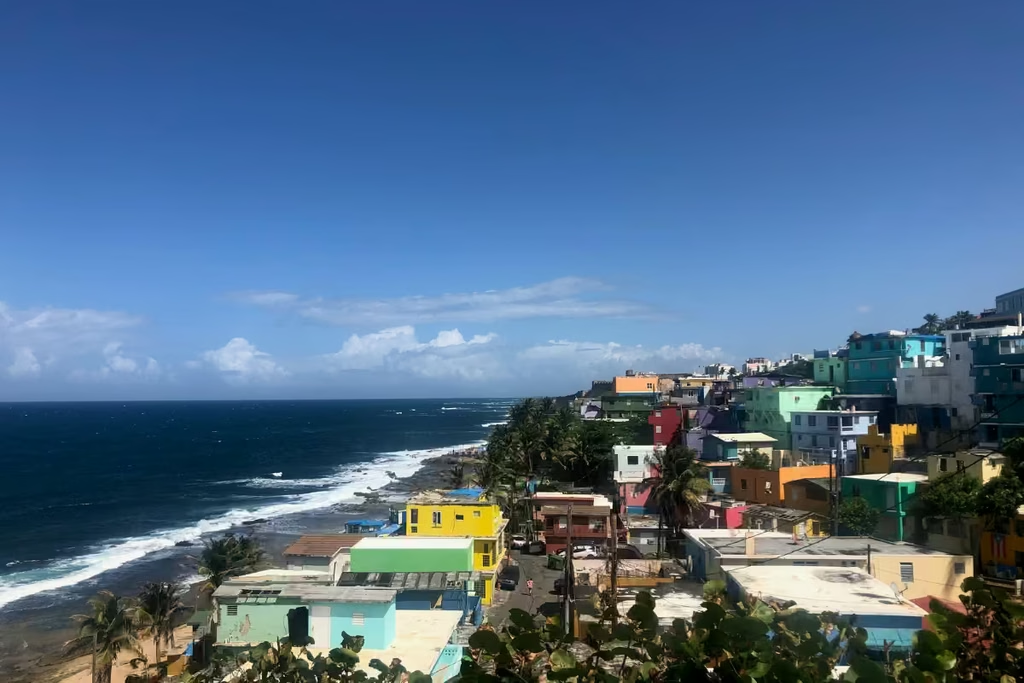
San Juan is the easiest base for a mixed itinerary. You can combine historic streets, museums, food, nightlife, and nearby coastal areas without committing every day to a long transfer. It’s also a natural place for solo travelers to join walking tours, share a meal, or meet other visitors in social accommodation.
The northeast and rainforest areas suit travelers who want forest walks, waterfalls, and dramatic vegetation. Conditions can change quickly, so check current access information and bring proper shoes and rain protection. Don’t assume that a trail is open simply because it appears in an older guide.
The west coast works well for travelers who want a slower coastal base, sunsets, water activities, and smaller-town atmosphere. Distances can feel longer when public transport is limited, so choose a base that matches your plans rather than trying to sleep in a new town every night.
The south and mountain interior add a different view of the island, with drier landscapes in some areas, historic towns, local food, and winding routes. These areas can reward travelers who rent a car or arrange transport carefully, but always check current road and attraction conditions before setting out.
If you’re comparing Puerto Rico with another destination that combines beaches, colonial towns, and nature, our guide to the best places to visit in Guatemala offers a different Central American route with its own weather and transport considerations.
How to plan a Puerto Rico trip around the weather
A weather-friendly Puerto Rico itinerary combines fixed plans with movable ones, giving you enough structure to travel confidently without making one rainy afternoon disastrous.
- Choose two or three bases. San Juan plus a coastal or inland base gives you variety without turning the whole trip into a transport exercise.
- Put flexible activities in the middle. Leave beach days, hikes, and boat trips movable where possible.
- Protect your final travel day. Avoid placing a weather-sensitive excursion immediately before an important flight or connection.
- Check local information. Confirm trail access, road conditions, excursion departures, and attraction details close to the date.
- Plan for ordinary days. Markets, cafés, neighborhoods, museums, and local restaurants can carry an itinerary when the weather changes.
For a short trip, I’d rather explore fewer places properly than spend every day crossing the island. A long transfer can be worthwhile when it leads to a destination you genuinely care about, but it’s frustrating when you’re only moving because a map made the route look simple.
Public transport can work well for some routes, while a rental car offers more independence in rural areas. Check current arrangements before relying on either option. If you rent a car, allow extra time for unfamiliar roads, parking, and weather changes. If you use buses or shared transport, avoid assuming that every connection will line up perfectly.
What to pack for Puerto Rico in any season
A flexible packing list is more useful than trying to pack for one ideal forecast because Puerto Rico can combine strong sun, sudden rain, warm coastlines, and cooler indoor or elevated environments.
- Lightweight clothing that dries quickly
- Comfortable walking shoes with grip
- A compact rain jacket or poncho
- Sun protection, including a hat and sunglasses
- Swimwear and a small day bag
- Waterproof protection for electronics and documents
- Insect protection for evenings and forest areas
- A light layer for air-conditioned rooms and transport
- A reusable water bottle and any personal medication
For hiking, don’t rely on sandals simply because the destination is tropical. Wet paths, mud, uneven ground, and slippery rock can turn a short walk into a difficult one. Ask locally what footwear suits the route you’re planning.
Pack modest clothing for historic, religious, or community spaces, and bring something comfortable for evenings when you want to move between a casual restaurant and a more polished neighborhood. You don’t need a large wardrobe; quick-drying basics and one versatile evening outfit are usually enough.
Practical travel tips for Puerto Rico
The most useful Puerto Rico travel tips are about flexibility, local awareness, and choosing experiences that match the conditions rather than forcing the itinerary you imagined at home.
Check official travel and weather information before departure, then ask your accommodation for local updates after arrival. Local hosts often know whether a trail, beach route, road, or boat trip is practical on a particular day. That advice is especially valuable when conditions have changed recently.
Be realistic about travel time without relying on an unverified number. Roads, traffic, weather, and stops can all affect a journey. If an activity ends late, confirm how you’ll return before booking it. On less-developed routes, carry enough water and basic supplies for delays.
Respect Puerto Rico as a living place, not simply a backdrop for a vacation. Learn a few Spanish phrases, buy from local businesses, ask before taking photographs, and avoid leaving waste in natural areas. If you visit beaches, forests, or historic sites, follow current rules even when they are inconvenient.
Travelers planning a broader trip can compare this island itinerary with the best places to visit in Czechia, where the challenge is less about tropical weather and more about balancing cities, historic towns, nature, and regional transport.
Puerto Rico travel FAQs
What is the best month to visit Puerto Rico?
There is no universal best month. Choose based on your priorities: beach conditions, crowd levels, accommodation availability, cultural events, and flexibility for rain. Check the forecast and local conditions for the exact regions on your route before booking.
How many days do you need in Puerto Rico?

A shorter trip can focus on San Juan and one nearby region, while a longer visit gives you time to add the west coast, mountains, rainforest, or the south. I’d choose fewer bases and spend enough nights in each to avoid turning the trip into a series of transfers.
Is Puerto Rico good for solo travelers?
Yes. San Juan and popular coastal bases offer hostels, tours, cafés, and group activities where it can be natural to meet people. Outside the main hubs, independent travel may require more planning, particularly if you want to reach remote trails or beaches.
Should you visit Puerto Rico during the rainy season?
You can, provided you’re comfortable with flexible plans. Pack rain protection, check local conditions, and avoid scheduling every outdoor activity on a single day. Rain can be part of a tropical trip without defining the whole experience.
What is the best area of Puerto Rico for first-time visitors?
San Juan is the most straightforward first base because it combines history, food, culture, beaches, and transport connections. Add another region if you have time and want a more rural, coastal, or nature-focused experience.
What should you do next?
Decide what matters most to you: beach time, rainforest, local food, history, festivals, or a slower coastal route. Pick a travel window that supports that priority, check current local information, and reserve only the parts of the itinerary that truly need advance planning. Then leave room for Puerto Rico to surprise you.