
The Best Places to Visit in Bolivia
Discover the best places to visit in Bolivia, from Uyuni and La Paz to Sucre, the Amazon, Lake Titicaca, Potosí, and Sajama.

The best places to visit in Bolivia range from vast salt flats and high-altitude cities to colonial streets, tropical rainforest, deep valleys, and islands in the world’s highest navigable lake. Bolivia is not always the easiest country to travel through, but that’s part of its appeal. The landscapes are dramatic, the cultures are diverse, and independent travel often brings you closer to everyday life than a tightly packaged itinerary would.
I’d plan a Bolivia trip around contrasts rather than trying to collect every famous sight. Begin in La Paz for an energetic introduction to the Andes, travel across the Uyuni region for a landscape unlike anywhere else, and then slow down in Sucre or Cochabamba. Add Lake Titicaca, a high-altitude trek, or the Amazon depending on your interests and available time.
Altitude deserves serious attention. Many popular destinations sit high above sea level, and even fit travelers may need time to adjust. Build flexibility into the first days, drink water, avoid overloading your schedule, and ask a qualified medical professional for advice before traveling if altitude may be a concern.
Table of Contents
Best Places to Visit in Bolivia at a Glance
Bolivia’s standout destinations cover highland cities, ancient landscapes, colonial heritage, wildlife, and some of South America’s most memorable overland journeys.
- La Paz – Best for high-altitude city life, markets, and mountain views
- Uyuni and the Salar de Uyuni – Best for salt-flat landscapes and multi-day adventures
- Sucre – Best for colonial architecture, Spanish study, and a gentler pace
- Potosí – Best for mining history and highland culture
- Lake Titicaca and Copacabana – Best for lake scenery, islands, and spiritual heritage
- Madidi National Park and Rurrenabaque – Best for rainforest and wildlife experiences
- Sajama National Park – Best for volcanoes, hot springs, and remote scenery
- Cochabamba – Best for food, gardens, and a milder valley climate
La Paz Is the Best Introduction to Bolivia
La Paz is the best place to begin for travelers who want to understand Bolivia’s geography, markets, food, politics, and high-altitude daily life in one busy, fascinating base.
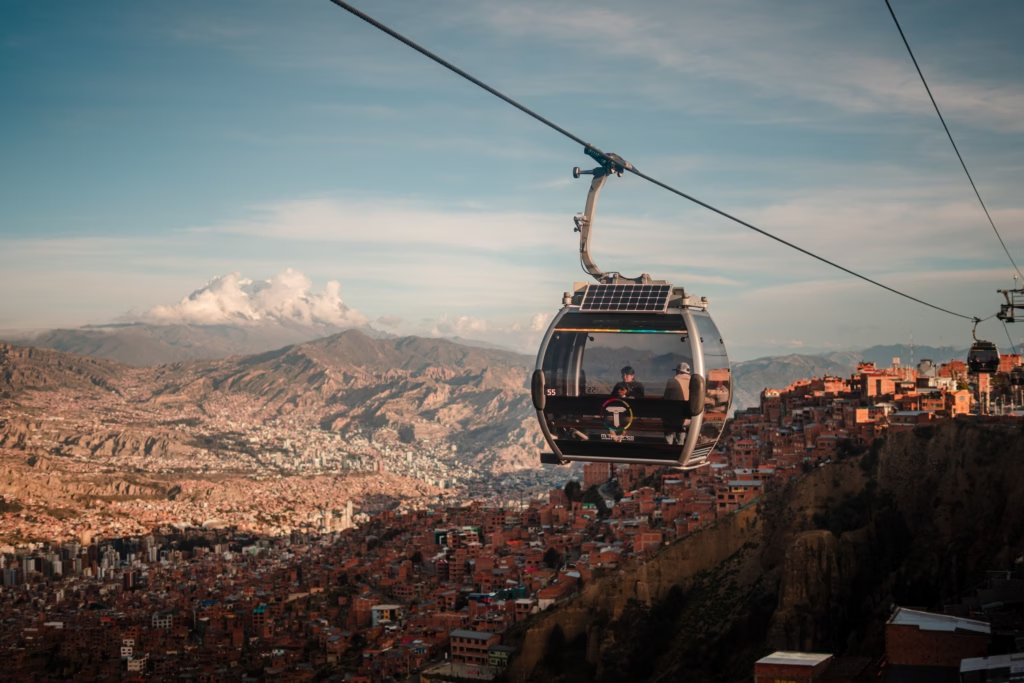
The city spreads through a steep valley beneath the surrounding mountains, so ordinary errands can involve dramatic views and surprising changes in elevation. Explore the historic center, browse the markets, visit museums, and leave time to simply observe the city’s rhythm. El Alto, the elevated urban area above La Paz, offers a different perspective on the metropolitan area and is best visited with a clear plan and current local advice.
La Paz works well for independent travelers because there are hostels, walking tours, cafés, language exchanges, and group excursions. A cable-car ride can help you understand the city’s shape, while viewpoints around the valley reveal how closely urban life and the mountains are connected. Check current operating information locally before relying on any transport plan.
One of the most popular excursions from La Paz is the road toward Coroico through dramatic mountain scenery. The route is associated with cycling adventures, but outdoor activities should be booked through reputable operators, with equipment, transport, weather procedures, and emergency support clearly explained before you commit.
If you are comparing Bolivia with another country where altitude, indigenous culture, and dramatic landscapes shape the journey, our guide to the best places to visit in Guatemala offers useful inspiration for planning a similarly varied trip.
Uyuni and the Salar de Uyuni Create Bolivia’s Signature Journey
Uyuni is the base for exploring the Salar de Uyuni, and the salt flat is the destination to choose when you want vast horizons, unusual geology, and a multi-day journey through Bolivia’s remote southwest.
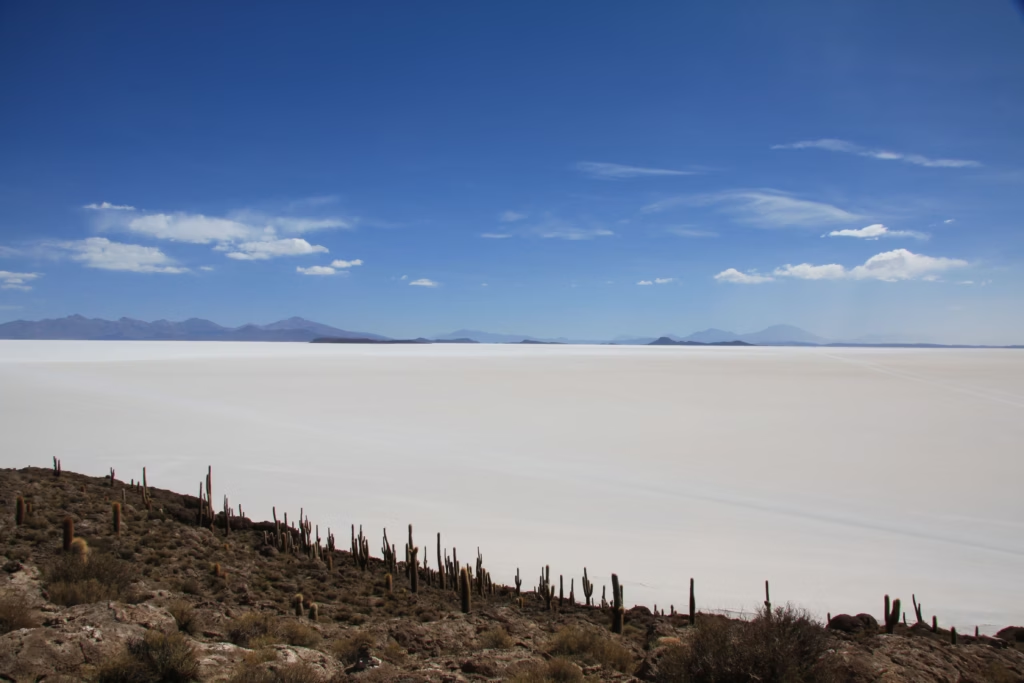
The salar itself is the headline attraction, but the wider route is just as important. Multi-day excursions commonly cross high-altitude desert landscapes, lagoons, volcanic terrain, and areas where flamingos and other wildlife may be seen. Conditions vary, and not every tour follows the same route, so compare operators carefully rather than choosing solely on price.
Ask what transport, meals, accommodation, water, entrance arrangements, and emergency procedures are included. A cheaper tour may not offer the same vehicle standards or itinerary as another operator. Read recent reviews, inspect the vehicle when possible, and make sure the company has a clear plan for altitude and changing weather.
Uyuni is not a destination for a tightly timed overnight connection. Roads can be rough, weather can affect plans, and long days at altitude are tiring. Bring warm layers, sun protection, water, and a way to protect your camera or phone from dust and salt. The landscape is spectacular, but the experience is physically demanding and often basic.
The best photographs may come from slowing down rather than chasing a particular optical illusion. Walk carefully, listen to your guide, and remember that the salt flat is a living environment and a working landscape, not simply a giant photo studio.
Sucre Offers Bolivia’s Most Relaxed Cultural Base
Sucre is the best Bolivian city for travelers who want whitewashed colonial architecture, museums, food, language learning, and a more manageable pace than La Paz.
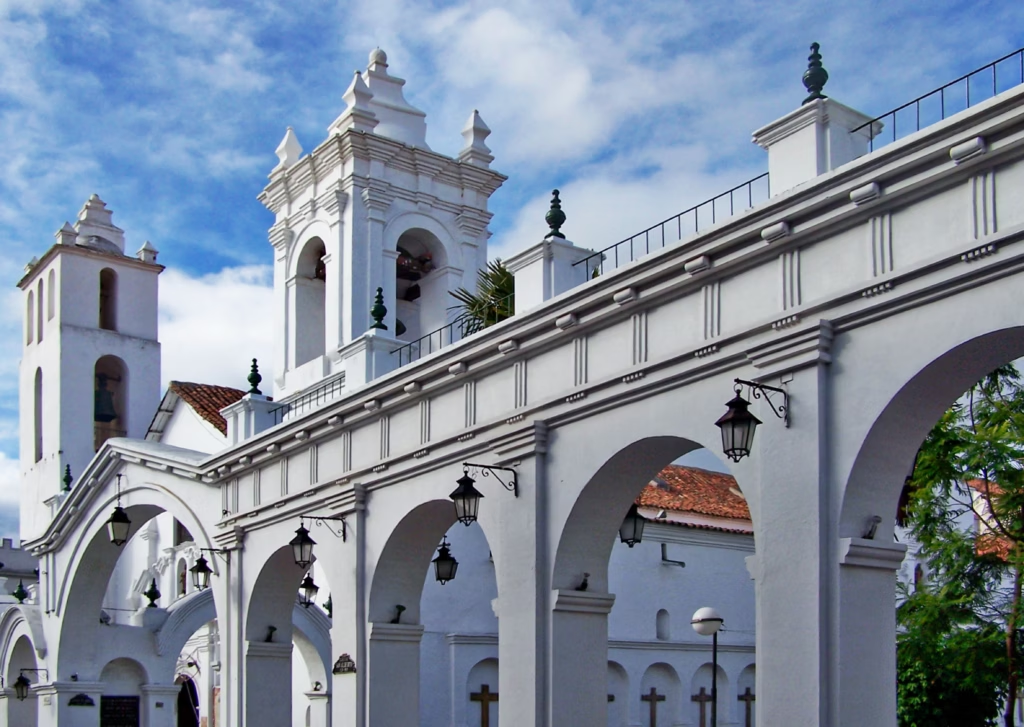
The historic center is rewarding to explore on foot, with plazas, churches, courtyards, and streets that invite an unhurried afternoon. Sucre is also a strong place to study Spanish or settle into a routine for several days. Take a class, eat at local markets, join a walking tour, and use the city as a base for nearby countryside excursions.
I like the idea of using Sucre as a reset between demanding travel days. After a rough highland journey, a few mornings with no transport plans can make the rest of the itinerary feel much more enjoyable. The city’s cafés and social accommodation options also make it suitable for solo travelers who want connection without having to join a group constantly.
Tarabuco and the surrounding region are associated with Indigenous textiles and rural traditions. Visit respectfully, ask before taking photographs, and buy directly from makers when possible. A local guide can provide context that you will not get from simply walking through a market and photographing its colors.
For another country where historic towns, local food, and regional landscapes reward slow travel, compare Sucre with the best places to visit in Czechia.
Potosí Brings Bolivia’s Mining History to Life
Potosí is the place to choose when you want a deeper understanding of Bolivia’s colonial history, silver mining, Indigenous labor, and highland identity.
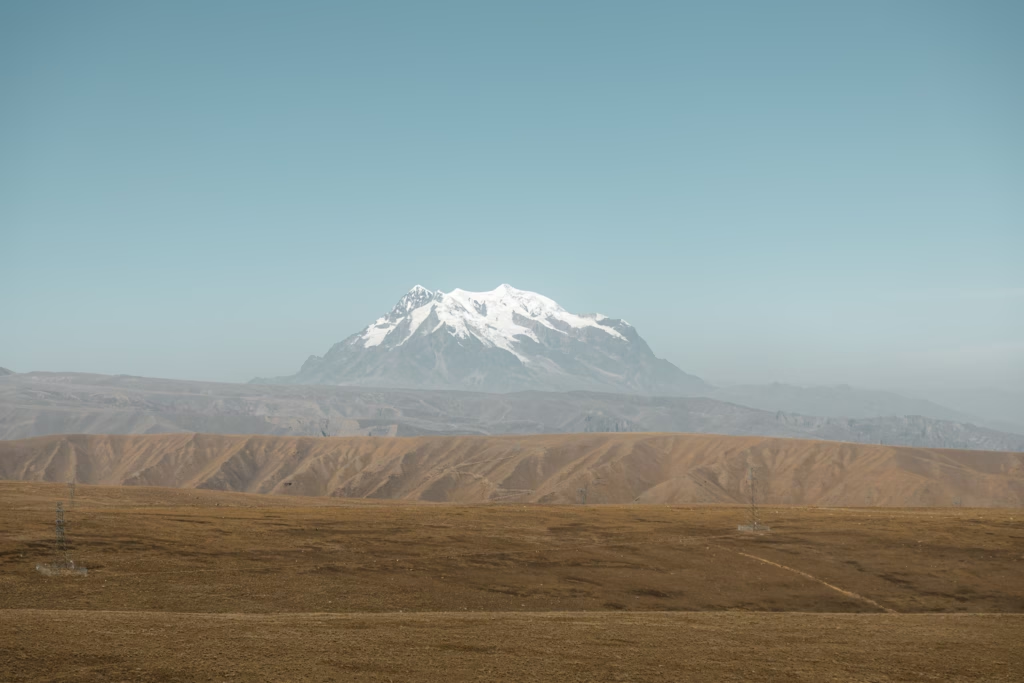
The city’s history is tied closely to Cerro Rico, the mountain that dominates the skyline and shaped the growth of Potosí. Former colonial buildings, churches, museums, and mining-related sites help explain how wealth extracted from the Andes influenced global history while imposing enormous costs on local communities.
Mine tours are physically and emotionally demanding. Conditions underground can be cramped, dusty, and uncomfortable, and the work remains dangerous for miners. If you choose to visit, use a reputable operator, understand the conditions in advance, and approach the experience as a serious cultural and historical visit rather than an adventure spectacle.
Potosí’s altitude makes acclimatization especially important. Keep your first day flexible, avoid strenuous plans immediately after arrival, and seek medical help if you experience concerning symptoms. No itinerary is worth ignoring your body.
Travelers interested in mining heritage should also take time to learn from museums, local guides, and community perspectives. The most meaningful visit is one that recognizes the people and labor behind the city’s famous history.
Lake Titicaca and Copacabana Reward a Slower Route
Lake Titicaca is the best choice for travelers who want highland scenery, lake culture, religious heritage, and a calmer counterpoint to Bolivia’s larger cities.
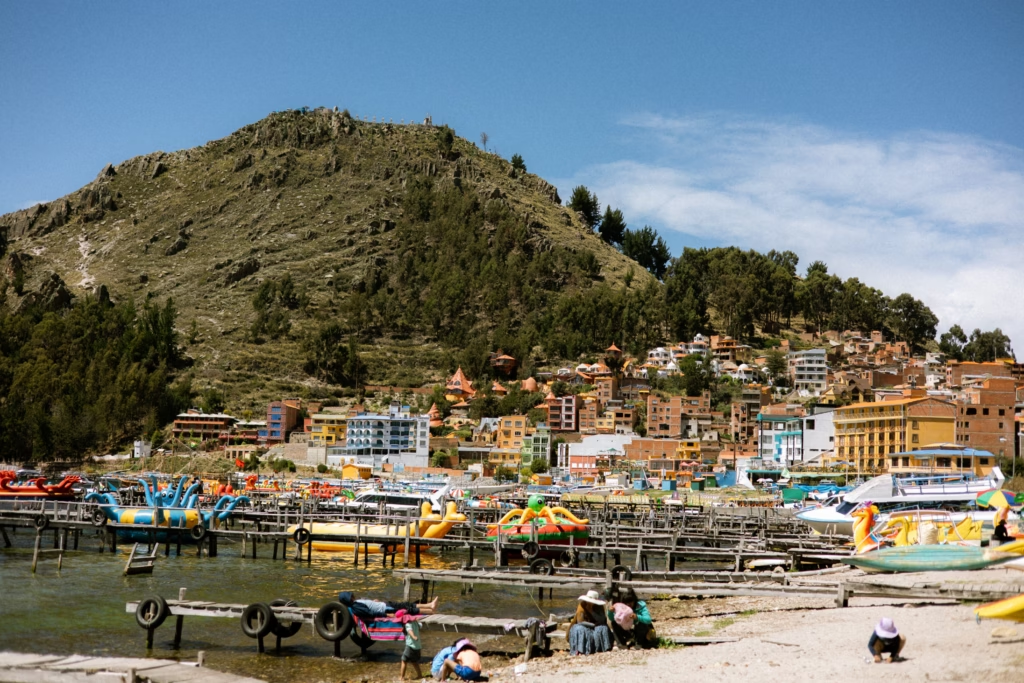
Copacabana is the main Bolivian base for exploring the lake and is known for its basilica, waterfront setting, and access to nearby islands. Walk through town, try regional trout, watch the changing light over the water, and ask locally about boat trips and current conditions before making plans.
Isla del Sol is associated with Inca history, walking routes, and dramatic lake views. Treat archaeological areas and local communities with respect, stay on permitted paths, and check current access arrangements before traveling. Island logistics can change, so avoid building a tight international connection immediately after a lake excursion.
The altitude and intense sun can make a relaxed-looking lake trip more tiring than expected. Pack layers, use sun protection, carry water, and take the first day gently. If you have more time, stay overnight rather than treating Copacabana as a rushed stop between La Paz and another destination.
Lake Titicaca is also a good place to think about responsible travel. Ask before photographing people, choose locally owned accommodation or guides where possible, and avoid leaving waste in remote areas. The scenery is powerful, but the lake is home to communities with their own routines and priorities.
Rurrenabaque and Madidi Offer a Different Bolivia
Rurrenabaque is the gateway to rainforest and pampas experiences, making it the best Bolivian base for travelers who want wildlife, river journeys, and a dramatic change from the high Andes.
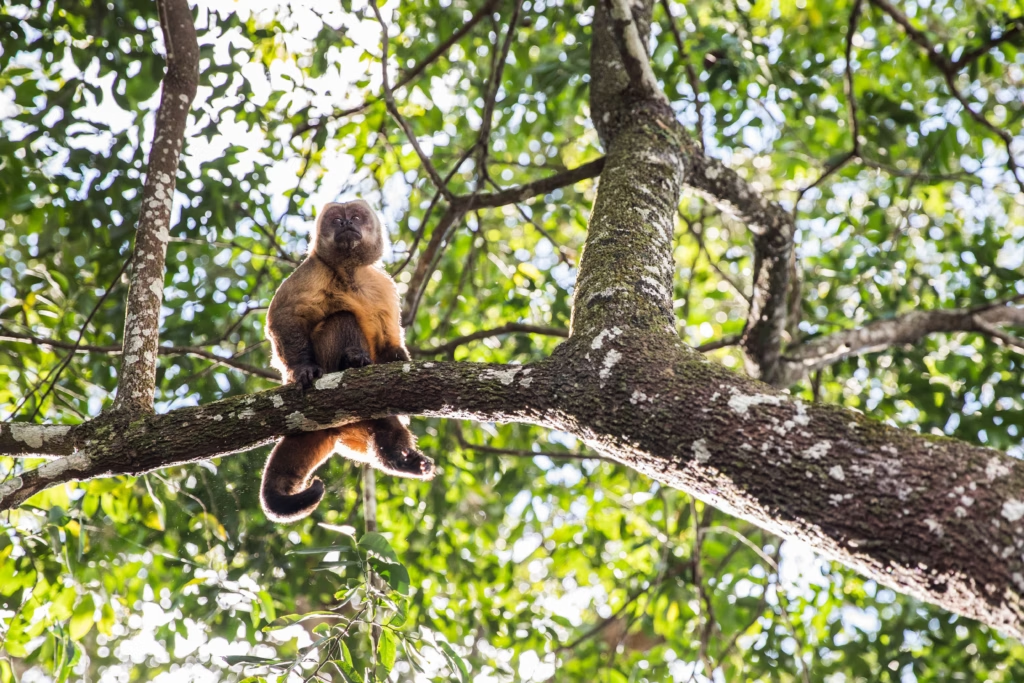
Trips from Rurrenabaque generally focus on one of two environments: the flooded grasslands of the pampas or the forest of Madidi National Park. Each offers a different experience. Pampas excursions are associated with boat travel and open landscapes, while forest trips emphasize walking, plants, insects, birds, and the complexity of tropical ecosystems.
Wildlife sightings are never guaranteed, and responsible operators should not promise a particular animal. Look for guides who explain conservation, respect viewing distances, avoid feeding wildlife, and work with local communities. Ask exactly what the price includes, what kind of accommodation is provided, and how transport is arranged.
The tropical lowlands require different preparation from the highlands. Lightweight clothing, insect protection, rain gear, and waterproof storage are useful, but follow current advice from your operator because conditions vary. Heat and humidity can be tiring, especially after traveling from the mountains.
Rurrenabaque can be reached through changing transport arrangements, so confirm current options before committing to a short connection. Give yourself buffer time. The Amazon should feel like an immersive part of the trip, not an exhausting dash in and out.
Sajama National Park Is Bolivia’s High-Altitude Wilderness
Sajama National Park is the destination for travelers who want volcanoes, geysers, hot springs, open landscapes, and a quieter alternative to the Salar de Uyuni circuit.
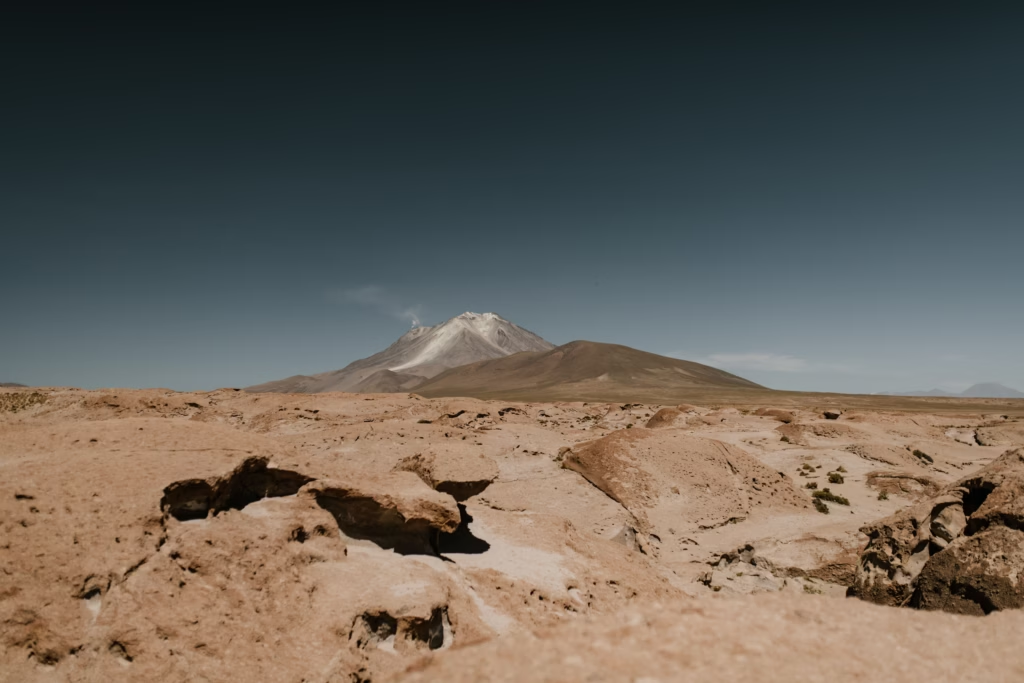
The park is home to Bolivia’s highest mountain, along with high-altitude lagoons, dramatic volcanic scenery, and traditional communities. The landscape feels spacious and remote, so the appeal lies less in a single attraction than in the accumulated effect of open sky, sharp peaks, llamas, vicuñas, and changing colors across the altiplano.
Travel here requires planning. Accommodation can be basic, roads may be rough, and services are limited. Go with enough food, water, warm clothing, and reliable transport arrangements. A local guide or organized excursion can be particularly useful when visiting remote areas or planning walks at altitude.
Hot springs can be a welcome way to slow down, but do not assume that every site has the same facilities or current access. Ask locally before setting out and treat the surrounding environment carefully. Sajama is a strong choice for travelers who prefer quiet landscapes over busy attractions.
Cochabamba Adds Food and Valley Life
Cochabamba is the best place to visit in Bolivia when you want a lower-altitude valley setting, local food, markets, gardens, and a break from the coldest highland destinations.
The city is known for its food culture, so arrive hungry and explore beyond restaurants aimed at visitors. Markets, casual eateries, and neighborhood food stalls offer a chance to understand how regional ingredients shape daily life. Ask your accommodation where locals eat and remain open to dishes you may not recognize.
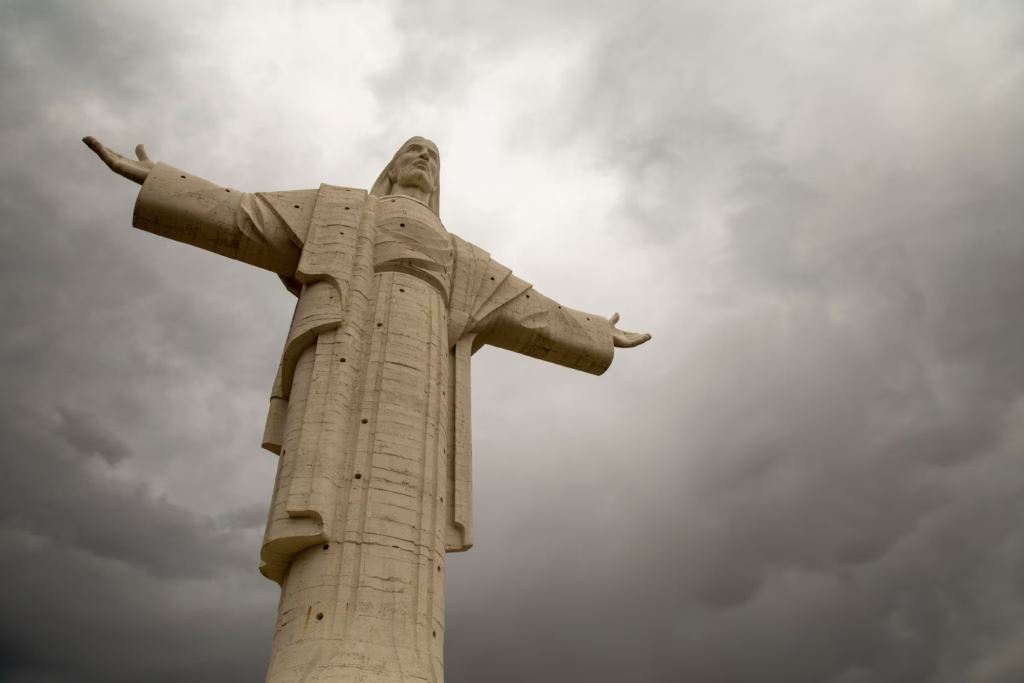
Christ of the Concordia, viewpoints, plazas, and surrounding valleys provide structure for a visit, but Cochabamba is most enjoyable when you leave space for ordinary city experiences. Spend time in a market, take a long lunch, and explore at a pace that lets the altitude and climate work in your favor.
The city can also suit travelers who want a base for nearby hikes and rural excursions. Check current transport and trail conditions before setting out, particularly if you are heading into the mountains without a guide.
How to Plan a Bolivia Itinerary
A good Bolivia itinerary combines a few contrasting regions instead of trying to cross the entire country in a hurry. La Paz, Uyuni, and Sucre form a strong first route, while Lake Titicaca, Potosí, or the Amazon can be added according to your interests.
- One week: Focus on La Paz, the Uyuni region, and either Sucre or Lake Titicaca.
- Ten days: Add Potosí or spend more time in Sucre rather than stacking another rushed transfer.
- Two weeks: Combine the highlands with Rurrenabaque and a rainforest experience if transport connections suit your dates.
- Three weeks or more: Add Sajama, Cochabamba, or extra days around Lake Titicaca and the southern highlands.
Long-distance buses are important for independent travel, but routes, road conditions, and journey times can change. Check current information locally and avoid assuming that two destinations that look close on a map are easy to connect. Overnight travel may save accommodation costs, but consider your comfort, luggage, and how altitude will affect your arrival.
Bolivia can work well for budget-conscious travelers who use local restaurants, hostels, guesthouses, and shared excursions. Spend carefully on tours: a reputable guide, maintained vehicle, suitable equipment, and clear emergency procedures matter more than finding the absolute lowest price.
If you are extending a South American trip, compare Bolivia’s highlands and rainforest with the best places to visit in Brazil. The scale is very different, but both countries reward travelers who choose a realistic regional route.
When to Visit Bolivia
The best time to visit depends on the region and the experience you want. The dry season can make highland roads and outdoor routes easier to manage, while the wet season may transform the Salar de Uyuni with reflective water. Seasonal conditions vary, and access can change, so check current local information for your travel year.
La Paz, Sucre, the Amazon, and the altiplano can all have very different weather at the same time. Pack for sharp temperature changes, especially if your itinerary moves between lowlands and high-altitude areas. Rain protection, warm layers, sun protection, and comfortable footwear are more useful than trying to pack for one predictable climate.
Bolivia Travel FAQs
What is the best place to visit in Bolivia for the first time?
La Paz is the strongest first base for most travelers because it introduces Bolivia’s high-altitude geography, markets, food, and mountain culture. Pair it with Uyuni and Sucre for a varied first itinerary.
How many days do you need in Bolivia?
A week works for a focused highland route, while two weeks gives you room for Uyuni, La Paz, Sucre, and another destination. Longer trips make it easier to include the Amazon or Sajama without rushing.
Is Bolivia good for solo travelers?
Yes. Hostels, Spanish schools, walking tours, multi-day excursions, and shared transfers create natural opportunities to meet other travelers. Remote areas require more preparation, and solo hikers should take current conditions and local advice seriously.
What should you pack for Bolivia?
Bring layers, warm clothing, sun protection, comfortable shoes, rain gear, a reusable water bottle, and secure protection for electronics. A small first-aid kit and medication recommended by a medical professional can also be useful, particularly on remote routes.
What should you eat in Bolivia?
Try regional soups, salteñas, anticuchos, quinoa dishes, fresh trout around Lake Titicaca, and local food from markets and family-run restaurants. The cuisine changes considerably between the highlands, valleys, and lowlands.
What should you do next?
Choose your main travel mood first: salt flats, high-altitude cities, colonial culture, rainforest, lake scenery, or mountain trekking. Then select two or three bases, allow time to acclimatize, and leave enough flexibility for the roads, weather, and local conversations that will shape the journey.