
The Best Places to Visit in Nicaragua
Discover the best places to visit in Nicaragua, from colonial Granada and León to Ometepe, Corn Islands, coffee country, and wild northern landscapes.

The best places to visit in Nicaragua bring together colonial streets, volcanic landscapes, freshwater islands, Caribbean beaches, coffee-growing mountains, and quiet corners where independent travel still feels wonderfully unhurried. Nicaragua is one of those countries where a single trip can include a city walk, a volcano hike, a surf lesson, a boat ride, and a hammock afternoon without feeling like you’ve crossed half a continent.
I’d plan a Nicaragua trip around a few contrasting bases rather than trying to cover every region. Granada and León offer history and culture, Ometepe adds volcanoes and rural landscapes, and the Caribbean coast feels like an entirely different world. For budget-conscious travelers, hostels, local buses, guesthouses, and casual restaurants make it possible to travel slowly and meet people along the way. The key is accepting that transport can take patience. That’s part of the rhythm here.
Table of Contents
Best Places to Visit in Nicaragua at a Glance
The best places to visit in Nicaragua include colonial cities, volcanic islands, Pacific beaches, highland towns, and remote Caribbean destinations.
- Granada – Best for colonial architecture, food, and Lake Nicaragua views
- León – Best for history, murals, student energy, and volcano boarding
- Ometepe Island – Best for volcanoes, hiking, swimming, and rural travel
- San Juan del Sur – Best for surfing, beaches, and social backpacker life
- Managua – Best for museums, markets, and understanding modern Nicaragua
- Masaya and Masaya Volcano – Best for crafts, folklore, and volcanic landscapes
- Matagalpa and Jinotega – Best for coffee, cloud forests, and mountain air
- Somoto Canyon – Best for an active inland adventure
- Corn Islands – Best for Caribbean beaches, snorkeling, and a slower pace
- Río San Juan – Best for river travel, wildlife, and remote landscapes
Granada and Masaya Are the Best Introduction to Nicaragua
Granada and nearby Masaya are the best starting point for travelers who want an easy introduction to Nicaragua’s colonial history, crafts, volcanoes, and lake landscapes. Granada is colorful and walkable, while Masaya adds a more local, market-focused atmosphere and access to volcanic scenery.
Granada Brings Colonial Streets and Lake Views
Granada is one of the best places to visit in Nicaragua for a first trip because its historic center is compact, atmospheric, and easy to explore independently. Brightly painted façades, old churches, leafy plazas, courtyards, and streets lined with cafés create a city that rewards wandering rather than rushing between attractions.

I’d use Granada as a base for a few unstructured days. Walk through the central streets in the morning, stop for a traditional meal, and look for small galleries, local workshops, and quieter corners beyond the main plaza. The city’s architecture reflects its long colonial history, but everyday life gives it more character than any single landmark can provide.
Lake Nicaragua is close enough to shape the atmosphere of the city, and boat trips through the nearby islets are a popular way to see the landscape from the water. Check current departure arrangements locally because routes and conditions can change. Granada also works well for solo travelers: cafés, hostels, walking tours, and day trips create plenty of natural opportunities to meet people without having to organize an entire group yourself.
If you enjoy comparing colonial destinations across continents, you might also like our guide to the best places to visit in Czechia. The architectural styles are different, but both countries reward travelers who slow down in historic towns instead of treating them as quick photo stops.
Masaya Adds Crafts, Folklore, and Volcanic Landscapes
Masaya is the place to choose when you want local crafts, markets, traditional culture, and a nearby volcanic landscape. The city is known for artisan production, and its markets are a useful place to browse practical souvenirs such as hammocks, pottery, leather goods, and woven items.
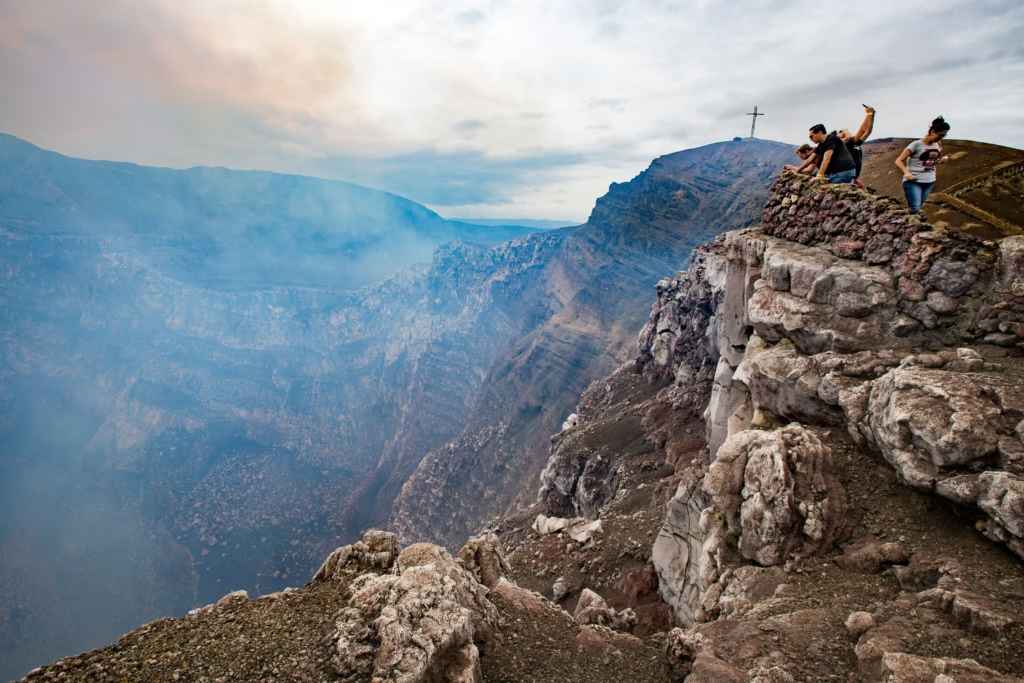
Masaya Volcano National Park is the headline natural attraction. Conditions, access rules, and visitor arrangements can change, so check current local guidance before planning a visit. The experience is less about spending an entire day on the trail and more about seeing a powerful volcanic environment close to the city.
Masaya makes a natural addition to a Granada itinerary, but it can also be worthwhile for travelers who want a less polished urban experience. Ask your accommodation about reputable transport and local events, and leave room for a meal or market visit rather than treating the city as nothing more than a volcano stop.
León and Managua Show Nicaragua’s Cultural Side
León and Managua are the best places to focus on Nicaragua’s history, politics, art, food, and contemporary urban life. León is a walkable university city with a strong cultural identity, while Managua is sprawling and less immediately charming but essential for understanding the country today.
León Combines History, Murals, and Student Energy
León is one of the best places to visit in Nicaragua for travelers who enjoy history, street art, churches, museums, and a lively social scene. The city’s historic center is filled with colorful buildings and grand religious architecture, while murals and revolutionary imagery reflect the political history that shaped modern Nicaragua.
I’d spend time exploring León on foot rather than limiting the visit to its most famous buildings. Visit a museum or historic site, pause in a shaded plaza, and try local dishes at a casual restaurant. The university presence gives the city a younger energy, and hostels often make it easy for solo travelers to connect with others before joining a day trip.
León is also a gateway to outdoor experiences. Volcano boarding on Cerro Negro is the best-known adventure, but the wider region includes hiking opportunities and beaches along the Pacific coast. Organized excursions vary in equipment, route, and current arrangements, so compare operators carefully and ask what is included before booking.
For a wider Central American comparison, our guide to the best places to visit in Montenegro offers another example of a compact country where historic towns, dramatic landscapes, and independent travel fit naturally together.
Managua Helps Explain Modern Nicaragua
Managua is the best place to visit when you want context, museums, markets, and a look at Nicaragua beyond its most photogenic destinations. The capital does not have one compact historic center in the same way Granada and León do, and its layout can feel confusing at first, but that is part of the experience.

I’d approach Managua as a city to understand rather than a place to conquer in a day. Visit cultural spaces, explore a market with local guidance, try Nicaraguan food, and ask your accommodation which neighborhoods and transport options make sense for your plans. The city’s history has been shaped by political upheaval and natural disasters, and its dispersed layout reflects that complicated past.
Managua is also a practical arrival or departure point for many itineraries. Even if you only stay briefly, give yourself enough time to adjust, organize onward transport, and avoid booking a tight connection immediately after a long journey.
Ometepe Island Is Nicaragua’s Volcanic Heart
Ometepe Island is the best destination in Nicaragua for travelers who want volcanoes, lake swimming, rural roads, hiking, and a slower island rhythm. The island sits in Lake Nicaragua and is dominated by the distinctive forms of two volcanoes, giving almost every journey a memorable backdrop.
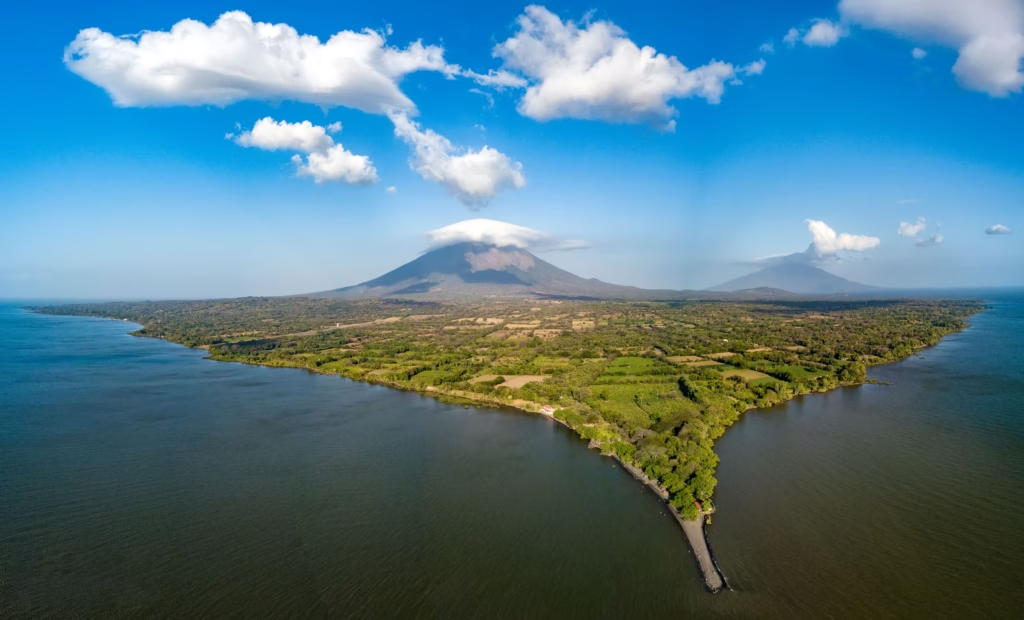
Ometepe is large enough to require planning but relaxed enough to reward flexibility. Different villages offer different bases, and the right choice depends on whether you care most about hiking, swimming, wildlife, restaurants, or quiet countryside. Check ferry arrangements and local transport before arrival, particularly if you plan to travel with a lot of luggage or reach a smaller settlement.
Hiking one of the volcanoes can be a serious undertaking rather than a casual walk. Trail conditions, weather, visibility, and local requirements matter, so seek current advice and consider hiring a local guide for demanding routes. You don’t need to climb a summit to enjoy Ometepe. Cycling, swimming, visiting small communities, and exploring natural areas can fill several rewarding days.
For me, the appeal of Ometepe is the change of pace. A day here can include a dusty road, a simple lunch, a lake swim, and a conversation with a host or fellow traveler. Bring patience, allow extra time for transport, and resist the temptation to schedule every hour.
San Juan del Sur and the Pacific Coast Suit Beach Travelers
San Juan del Sur and Nicaragua’s Pacific coast are the best choices for travelers who want surfing, beach time, sunsets, and a social backpacker atmosphere. The coast includes busy bases and quieter stretches, so you can choose between meeting people easily and finding more space to yourself.
San Juan del Sur Is the Social Beach Base
San Juan del Sur is Nicaragua’s most established beach town for independent travelers. The bay, surrounding hills, restaurants, surf schools, and hostels make it a convenient place to spend a few days, especially if you want to combine relaxation with a social scene.
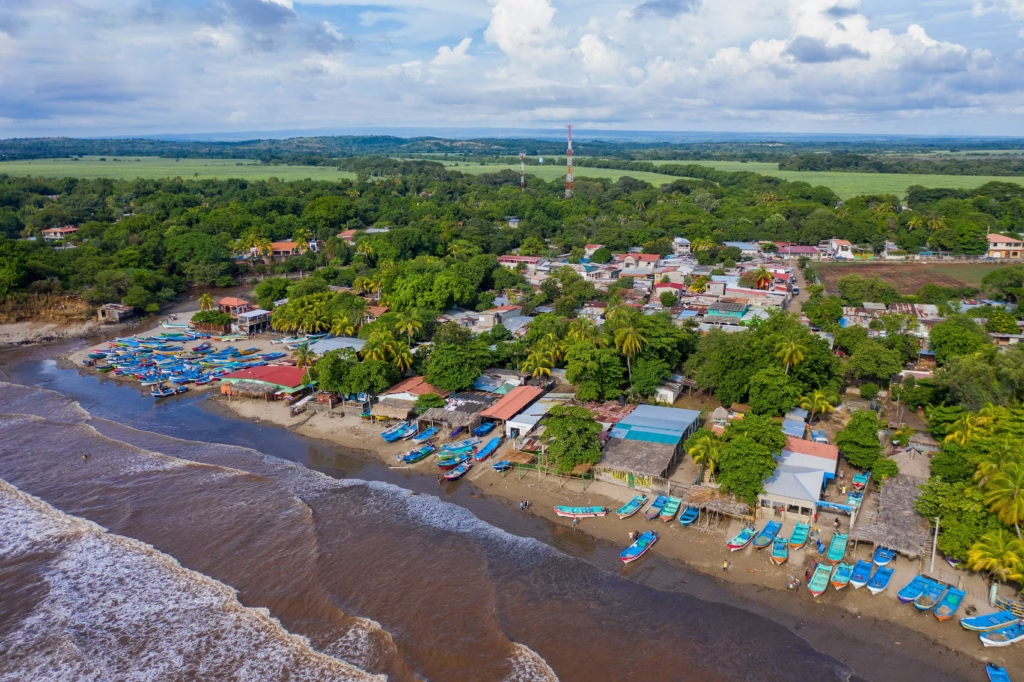
The town can become lively, particularly during popular travel periods, so choose accommodation based on whether you want nightlife or sleep. The main beach is convenient, but nearby beaches offer different conditions and atmospheres. Ask a local surf school or accommodation host about current waves, transport, and which beach suits your experience level.
San Juan del Sur is a good place to take a lesson, join a group excursion, or simply sit with a book and watch the fishing boats. It’s also a natural stop for solo travelers because meeting people is relatively easy. If the town feels too busy, use it as a base for exploring quieter coastal communities rather than leaving the Pacific coast altogether.
Pacific Beaches Offer More Than One Kind of Escape
The Pacific coast rewards travelers who move beyond one famous town. Playa Maderas, Tola, Popoyo, and other coastal areas appeal to surfers, while smaller beach communities suit visitors looking for yoga, local food, or a quieter routine. Conditions and facilities vary, so research each beach separately before committing to a long stay.
Transport can be less straightforward away from the main towns. Shared vehicles, local buses, and private transfers may all play a role, and unpaved roads can affect plans during rainy conditions. I’d choose one coastal cluster and stay longer rather than trying to visit every beach in a few days.
The Pacific coast is also where budgeting matters. Accommodation and activities can vary significantly between towns, and eating away from the most tourist-focused waterfront areas may help keep costs manageable. Bring a flexible attitude, because weather and surf conditions often decide the shape of the day.
Matagalpa, Jinotega, and Somoto Add Mountain Adventure
Matagalpa, Jinotega, and Somoto are the best places to visit in Nicaragua for travelers who want cooler mountain air, coffee landscapes, forest trails, and active inland experiences away from the coast.
Matagalpa and Jinotega Offer Coffee Country
Matagalpa and Jinotega are surrounded by highland scenery and are natural bases for learning about coffee production, hiking through forested landscapes, and experiencing a different side of Nicaragua. The climate feels noticeably different from the hot Pacific lowlands, making the region appealing when you want a break from beaches and cities.
A coffee tour can add depth to the visit, especially when it is run by a local farm or community-based operator that explains the work behind each cup. Ask what the tour includes and whether transport is provided before booking. The best experiences are not necessarily the most elaborate; a conversation with a grower and a walk through the plants can be more meaningful than a rushed attraction.
Matagalpa has a more developed traveler infrastructure, while Jinotega can feel quieter and more rural. Both require some planning if you want to reach remote trails or farms. Pack layers, sturdy footwear, and a rain jacket for mountain conditions, even if the weather is dry when you leave the lowlands.
Somoto Canyon Is an Active Northern Detour
Somoto Canyon is one of Nicaragua’s most rewarding inland adventure destinations, with dramatic rock walls and water-based routes through a distinctive northern landscape. It suits travelers who want something more active and less conventional than another colonial city or beach town.
Local guides are particularly useful here because the experience can involve swimming, walking, and navigating sections of the canyon. Water levels and conditions affect what is possible, so confirm the current route before traveling. Follow guide instructions, bring secure protection for valuables, and wear footwear that can handle wet and uneven ground.
Somoto takes more effort to reach than Granada or León, which is exactly why it works well for travelers who enjoy adding a less obvious stop to an itinerary. Combine it with northern highland travel rather than squeezing it into a single exhausting transfer day.
The Corn Islands and Río San Juan Reveal Nicaragua’s Caribbean Side
The Corn Islands and Río San Juan are the best choices for travelers who want to move beyond Nicaragua’s Pacific and colonial highlights. One offers Caribbean beaches and underwater life; the other brings rivers, wetlands, wildlife, and a more remote sense of travel.
The Corn Islands Are Made for Slow Caribbean Days
The Corn Islands are among the best places to visit in Nicaragua for travelers who want warm water, snorkeling, diving, seafood, and a slower island atmosphere. Big Corn Island is the more practical transport hub, while Little Corn Island is known for its walkable, vehicle-free feel and relaxed beach culture.
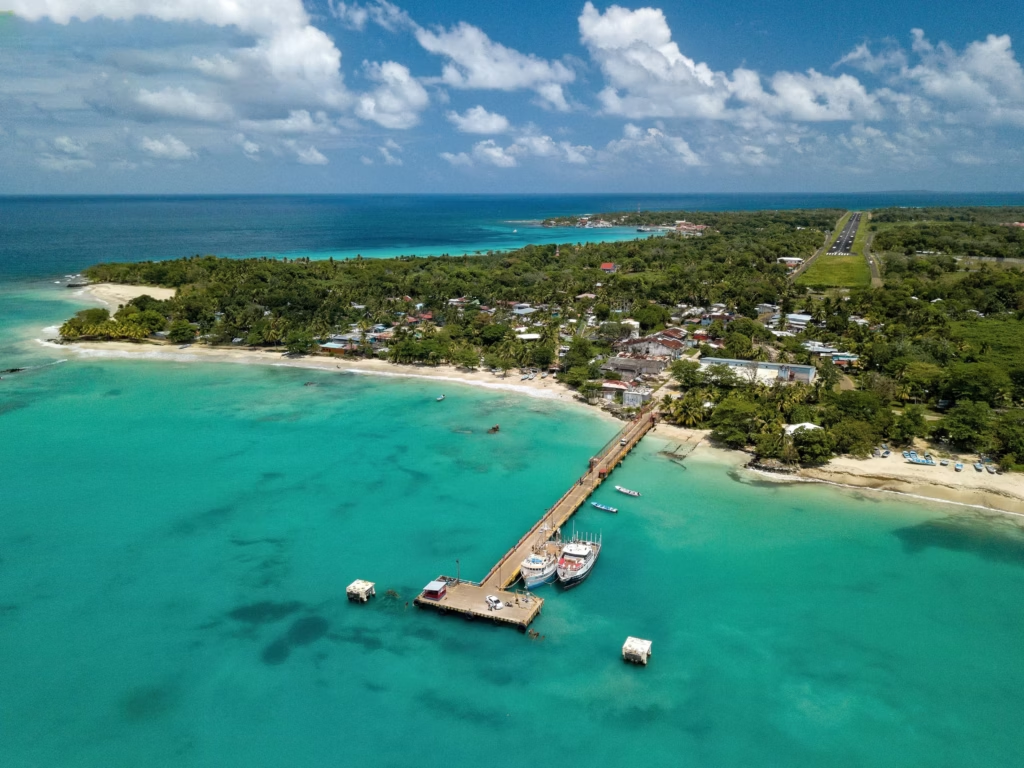
Island travel requires extra planning because transport depends on current schedules and conditions. Check the latest boat or flight arrangements before booking connections, and avoid planning an immediate onward journey after arrival. Weather can affect movement between islands, so a little buffer time makes the experience much less stressful.
Life here is deliberately unhurried. Spend time in the water, walk between beaches, eat locally caught seafood, and ask dive or snorkeling operators about current conditions. The islands are not the place for a packed sightseeing list, and that is their strength. Travelers who enjoy reading, swimming, and getting to know a small community may want to stay longer than planned.
Río San Juan Is for River Travel and Wildlife
Río San Juan is the destination to choose when you want river journeys, wetlands, historic fortifications, and a more remote side of Nicaragua. The river connects Lake Nicaragua with the Caribbean and opens the way to places such as El Castillo and the Indio Maíz region.
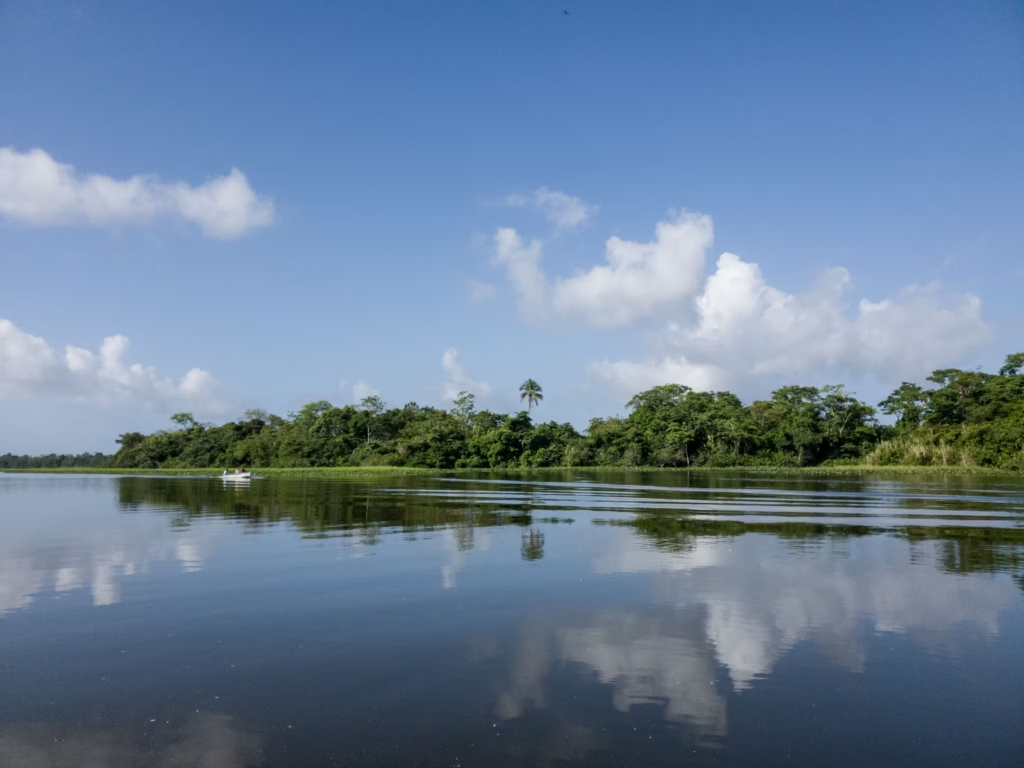
Boat transport is central to the experience, and schedules can change with water levels, weather, and local conditions. Confirm arrangements before setting out, especially if you are carrying luggage or connecting to another region. The journey is part of the attraction: instead of moving quickly between monuments, you watch the landscape change along the river.
Wildlife-focused travel should be approached responsibly. Choose guides and operators who respect local communities, avoid disturbing animals, and explain conservation challenges rather than promising guaranteed sightings. Río San Juan suits travelers with time, patience, and curiosity more than anyone trying to collect quick highlights.
How to Plan a Nicaragua Itinerary
A good Nicaragua itinerary combines two or three travel styles instead of trying to see the whole country at once. Granada and León make a strong cultural start, Ometepe adds nature, and the Pacific coast or Corn Islands provide time by the water.
- One week: Choose Granada, León, and either Ometepe or San Juan del Sur.
- Ten days: Combine Granada, León, Ometepe, and a Pacific beach base without rushing every transfer.
- Two weeks: Add Matagalpa or Jinotega for coffee country, or choose the Corn Islands for a Caribbean finish.
- Three weeks or more: Consider Somoto Canyon, Río San Juan, or a slower route through several Pacific beaches.
Local buses are usually the most budget-friendly way to move between major destinations, but connections can be crowded, indirect, or slower than a map suggests. Shared transfers and private shuttles may save time on popular routes, while boats and small flights become more relevant for island and river travel. Check current schedules locally rather than relying on an old timetable.
Nicaragua can suit a range of budgets. Hostels and guesthouses make solo travel more social, local eateries keep daily costs down, and staying several nights in one place reduces transport expenses. I’d spend money on experiences that support local guides and communities, particularly in rural or nature-focused regions.
If you’re comparing Nicaragua with other long-haul destinations, our guide to the best places to visit in Brazil is useful for thinking about regional travel, big landscapes, and the importance of choosing a realistic route. You can also browse the best places to visit in China for another example of how a varied country rewards travelers who focus on a few regions instead of attempting everything.
When to Visit Nicaragua
The dry season is generally the easiest period for combining cities, beaches, and outdoor activities, while the rainy season can bring greener landscapes and more challenging road conditions. Timing varies by region, so check conditions for the Pacific coast, highlands, Caribbean islands, and river areas separately before booking.
Surf conditions, hiking access, ferry operations, rainfall, and wildlife experiences can all change through the year. Don’t assume that one national weather pattern tells you what to expect everywhere. If your dates are flexible, compare several regions and choose the one that best matches the activities you care about most.
For more seasonal trip ideas, our guide to the best places to visit in November can help you compare Nicaragua with other destinations. If you’re considering a shorter European trip instead, take a look at the best places to visit in Spain.
Nicaragua Travel FAQs
What is the best place to visit in Nicaragua for the first time?
Granada is the easiest first base for many travelers because it combines colonial architecture, restaurants, day trips, and access to nearby lake and volcanic landscapes. Pair it with León, Ometepe, or the Pacific coast depending on your interests.
What are the most beautiful places in Nicaragua?
Ometepe, the Corn Islands, the Pacific beaches, Granada, Río San Juan, and the northern highlands all offer different kinds of beauty. Choose between volcanoes, colonial streets, Caribbean water, forests, and river landscapes rather than searching for one single winner.
Is Nicaragua good for solo travelers?
Yes. Granada, León, Ometepe, and San Juan del Sur have hostels, group activities, cafés, and tours that make it relatively easy to meet people. More remote regions require extra planning, particularly when arranging transport or outdoor excursions.
How many days do you need in Nicaragua?
A week is enough for a focused route through Granada, León, Ometepe, or the Pacific coast. Two weeks gives you more room to combine cities, nature, and beaches without turning every day into a transfer.
What should you eat in Nicaragua?
Look for dishes such as gallo pinto, nacatamales, vigorón, grilled meats, fresh seafood, plantains, and regional soups. Local markets and small restaurants are often the best places to try everyday food, and asking your accommodation host for recommendations can lead you away from tourist-focused menus.
What should you do next?
Choose your main travel mood first: colonial cities, volcanoes, surf beaches, Caribbean islands, coffee mountains, or river adventures. Then pick two or three bases, check the current transport connections, and leave enough empty space for the conversations, meals, and unexpected stops that make Nicaragua feel personal.