
The Best Places to Visit in Guatemala
Discover the best places to visit in Guatemala, from Antigua and Lake Atitlán to Tikal, Semuc Champey, volcanoes, villages, and Caribbean beaches.
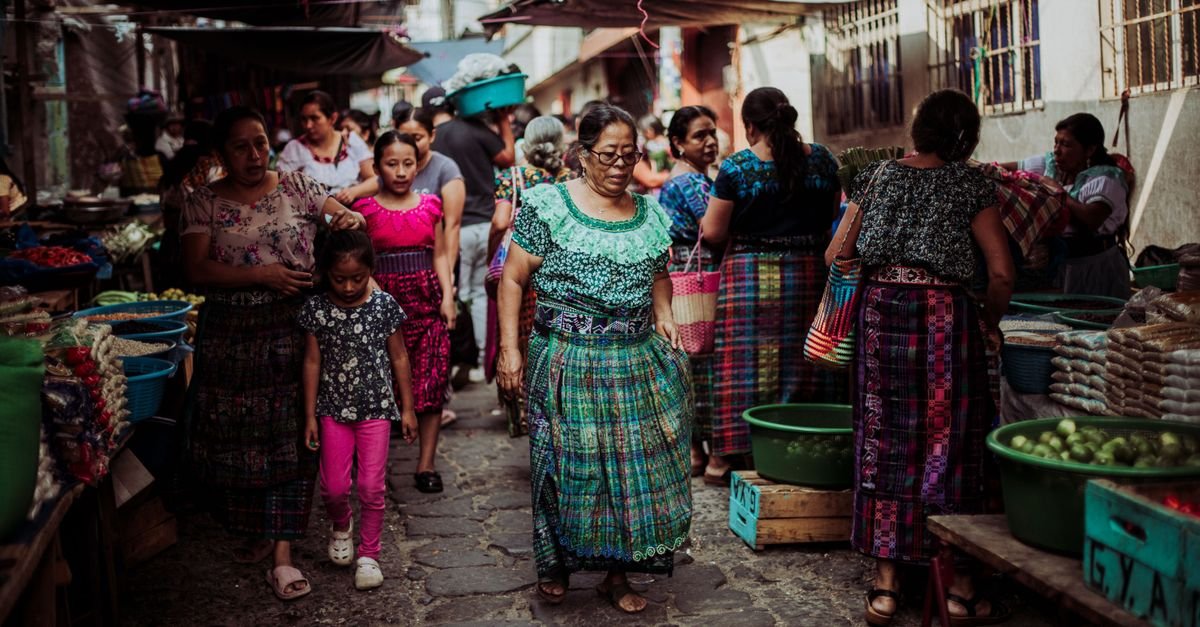
The best places to visit in Guatemala bring together colonial streets, Maya history, volcanic landscapes, highland villages, jungle ruins, Caribbean waterways, and some of Central America’s most rewarding independent travel. Guatemala is compact enough to build a realistic route, but varied enough that every few days can feel completely different.
I’d plan a trip around a few contrasting bases rather than trying to cover every region. Antigua makes an easy cultural introduction, Lake Atitlán adds scenery and local village life, and the northern Petén region is where ancient Maya cities rise from the rainforest. Add a volcano hike, a few market mornings, or a slower Caribbean stop, and you have the ingredients for a memorable journey without needing a luxury budget.
Travel here rewards patience. Roads can be winding, transfers may take longer than a map suggests, and weather can affect outdoor plans. That’s not a reason to rush. It’s a reason to leave breathing room in your itinerary and allow local advice to shape the details.
Table of Contents
Best Places to Visit in Guatemala at a Glance
The best places to visit in Guatemala cover colonial towns, Maya heritage, volcanic scenery, highland culture, jungle, and the Caribbean coast.
- Antigua Guatemala – Best for colonial architecture, cafés, and culture
- Lake Atitlán – Best for volcano views, villages, and slow travel
- Chichicastenango – Best for traditional markets and Maya culture
- Quetzaltenango – Best for language learning, hikes, and local life
- Acatenango – Best for a serious volcano adventure
- Tikal – Best for ancient Maya ruins in a rainforest setting
- Semuc Champey – Best for jungle pools and outdoor adventure
- Río Dulce and Livingston – Best for rivers, wetlands, and Caribbean culture
- Monterrico – Best for a quieter Pacific beach break
- Flores and Lake Petén Itzá – Best for a relaxed base in northern Guatemala
Antigua and Lake Atitlán Are the Best Introduction to Guatemala
Antigua and Lake Atitlán are the best starting points for most first-time visitors because they combine history, scenery, food, crafts, and easy opportunities to meet other travelers.
Antigua Guatemala Makes History Feel Walkable
Antigua Guatemala is one of the best places to visit in Guatemala for a first trip. Its cobbled streets, colorful façades, old churches, courtyards, and views toward surrounding volcanoes create a beautiful setting, but the city feels more interesting when you look beyond the famous arch and central plaza.
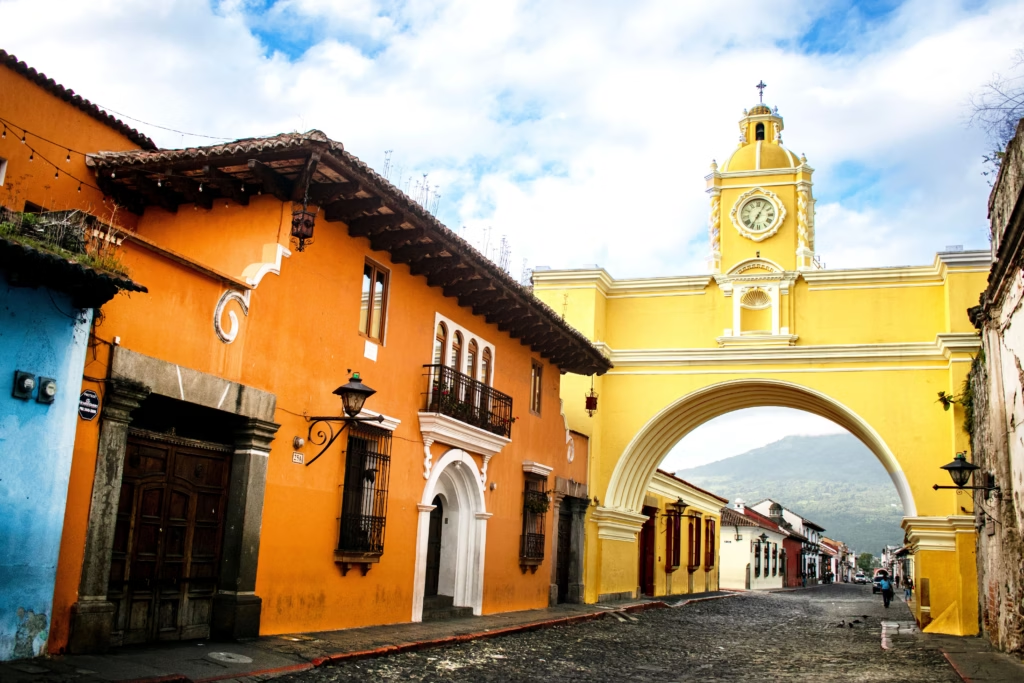
I’d spend at least a couple of days wandering without a strict checklist. Explore the historic center, visit a museum or church, browse artisan shops, and settle into a café when the afternoon light softens the streets. Antigua has plenty of hostels, language schools, restaurants, and walking tours, so solo travelers usually have natural ways to meet people while still having space to explore independently.
The city is also a useful base for learning about Guatemalan coffee, cooking, and local crafts. Ask your accommodation which community-run experiences are available and what is included before booking. A small group or locally led activity often gives you more context than simply moving between photo stops.
If you enjoy comparing historic destinations, our guide to the best places to visit in Czechia offers another perspective on how old towns, regional food, and slower city breaks can shape a trip.
Lake Atitlán Is Made for Slow Travel
Lake Atitlán is the place to choose when you want dramatic volcanic scenery, lakeside villages, small cafés, artisan workshops, and a slower rhythm. The lake is surrounded by volcanoes and communities with distinct personalities, so choosing the right base matters.
Panajachel is a practical arrival point with a broad range of services. San Pedro La Laguna tends to attract backpackers and travelers looking for a social atmosphere, while San Marcos La Laguna is associated with wellness and creative retreats. Santiago Atitlán and other villages offer different views into local history, art, and Maya traditions.
Boat travel links many lakeside communities, but conditions and arrangements can change. Check locally before planning a tightly timed day, and keep valuables protected when traveling on the water. I’d choose one main base and visit one or two other villages rather than trying to circle the lake in a hurry.
The lake is especially good for solo travelers because hostels, language exchanges, hikes, kayaking, and cooking activities create easy social connections. Be respectful when photographing people, religious sites, or ceremonies, and remember that the communities around the lake are homes rather than open-air attractions.
Maya Culture and Highland Life Define Guatemala’s West
Chichicastenango and Quetzaltenango show a side of Guatemala that feels more connected to highland communities, language, markets, and everyday life than the country’s main tourist circuit.
Chichicastenango Is the Place for Traditional Markets
Chichicastenango is one of the best places to visit in Guatemala for travelers interested in traditional markets, textiles, religious history, and Maya culture. The market is known for its colorful fabrics, food stalls, household goods, flowers, and handmade items, but the most meaningful visit comes from observing respectfully rather than treating the market as a performance.
Arrive with time to walk slowly, ask before taking photographs, and buy directly from artisans when possible. Look closely at the weaving and embroidery, but don’t assume that every seller wants to negotiate endlessly or be photographed. A local guide can explain the relationship between the market, the church, and the town’s wider traditions.
Chichicastenango is often visited as a day trip, but staying nearby or combining it with another highland destination can make the journey feel less rushed. Confirm the latest transport arrangements before setting out, particularly if you are carrying luggage or connecting to Lake Atitlán.
Quetzaltenango Offers a More Local City Base
Quetzaltenango, often called Xela, is the best Guatemalan city for travelers who want a longer stay, Spanish lessons, local restaurants, mountain excursions, and a less polished atmosphere than Antigua. Its historic center has elegant buildings and plazas, while the surrounding highlands offer hot springs, villages, and hiking routes.
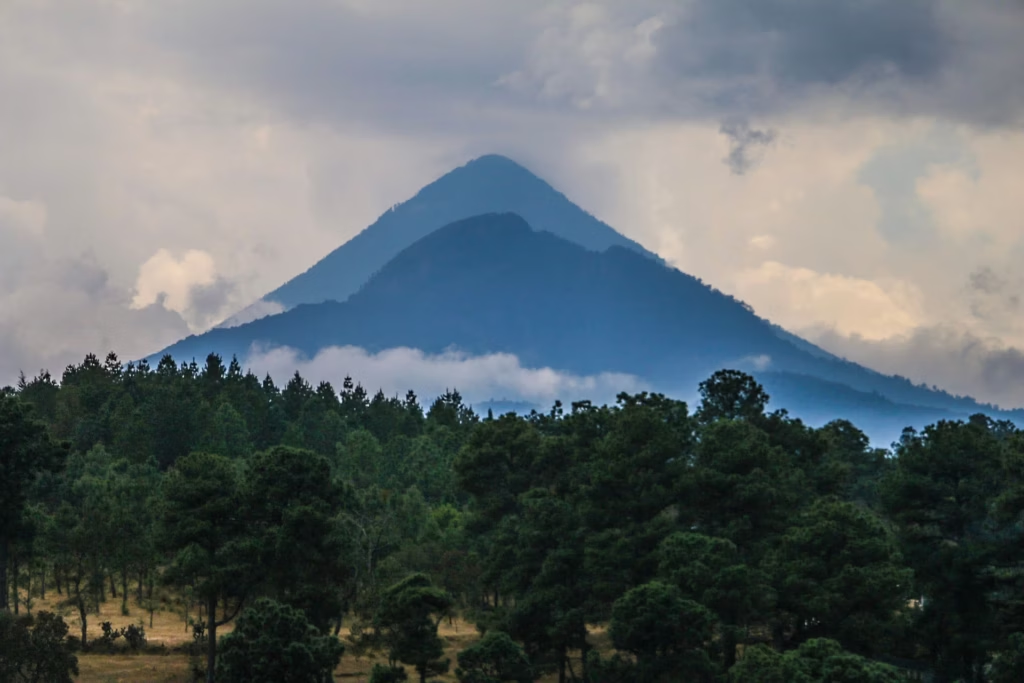
Xela works particularly well for independent travelers because it encourages routine. Spend the morning in a language class, eat lunch at a market, and use the afternoon to explore a neighborhood or join a local excursion. Staying longer can also make it easier to form connections with teachers, hosts, and other travelers.
The highland climate can feel cool, especially in the evenings, so pack layers even if you are arriving from a hot lowland. For demanding hikes, ask about current trail conditions and consider using a reputable local guide. Outdoor plans here should be based on current information rather than an old itinerary copied from a blog.
Guatemala’s Volcanoes Are Made for Adventure
Guatemala’s volcanoes are among its biggest draws, and Acatenango is the standout choice for travelers who want a challenging hike with a dramatic volcanic setting.
Acatenango Is the Signature Volcano Hike
Acatenango is one of the best places to visit in Guatemala for a serious outdoor adventure. The hike is known for steep terrain, high elevation, exposed conditions, and views toward the active Volcán de Fuego. It is not a casual walk, and preparation matters more than speed.
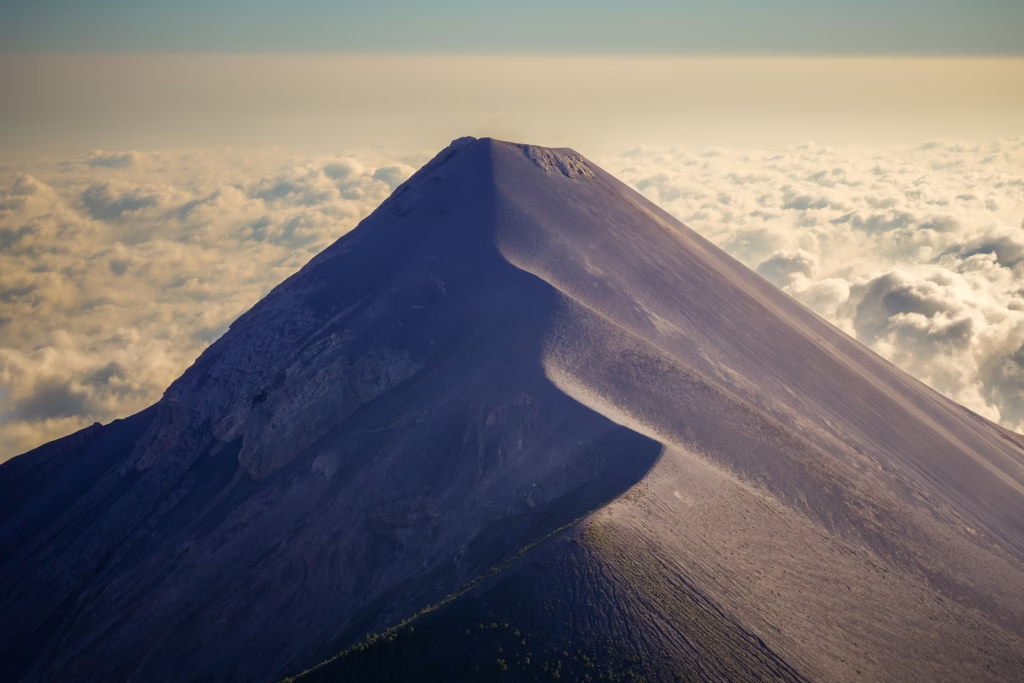
Most visitors join an organized trek, often with an overnight camp, because local guides can help with route decisions, equipment, weather changes, and group logistics. Compare operators carefully and ask what equipment, food, water, transportation, and emergency procedures are included. Current conditions can affect whether particular routes or summit plans are possible.
Bring sturdy footwear, warm layers, rain protection, water, and a headlamp if your itinerary includes early or late hiking. The temperature at altitude can be much colder than in Antigua. Take the pace seriously, listen to your guide, and don’t feel pressured to continue if your body is struggling.
Acatenango suits travelers who enjoy shared experiences. A group hike can be one of the easiest ways for solo visitors to meet people, but the social side should never distract from the physical demands of the route. If you want volcano scenery without a demanding trek, ask locally about shorter hikes and viewpoints that match your ability.
For another country where coast, mountains, and outdoor adventure fit into a compact itinerary, compare this route with the best places to visit in Montenegro.
Tikal and Flores Bring the Petén Rainforest to Life
Tikal and Flores are the essential northern stops for travelers who want ancient Maya history, rainforest landscapes, and a slower base beside Lake Petén Itzá.
Tikal Is Guatemala’s Greatest Archaeological Experience
Tikal is one of the best places to visit in Guatemala for history lovers and anyone who wants to experience ancient ruins in a forest setting. Monumental temples and plazas rise among trees where howler monkeys, birds, and other wildlife may be heard or seen, adding a sense of scale that a museum cannot reproduce.
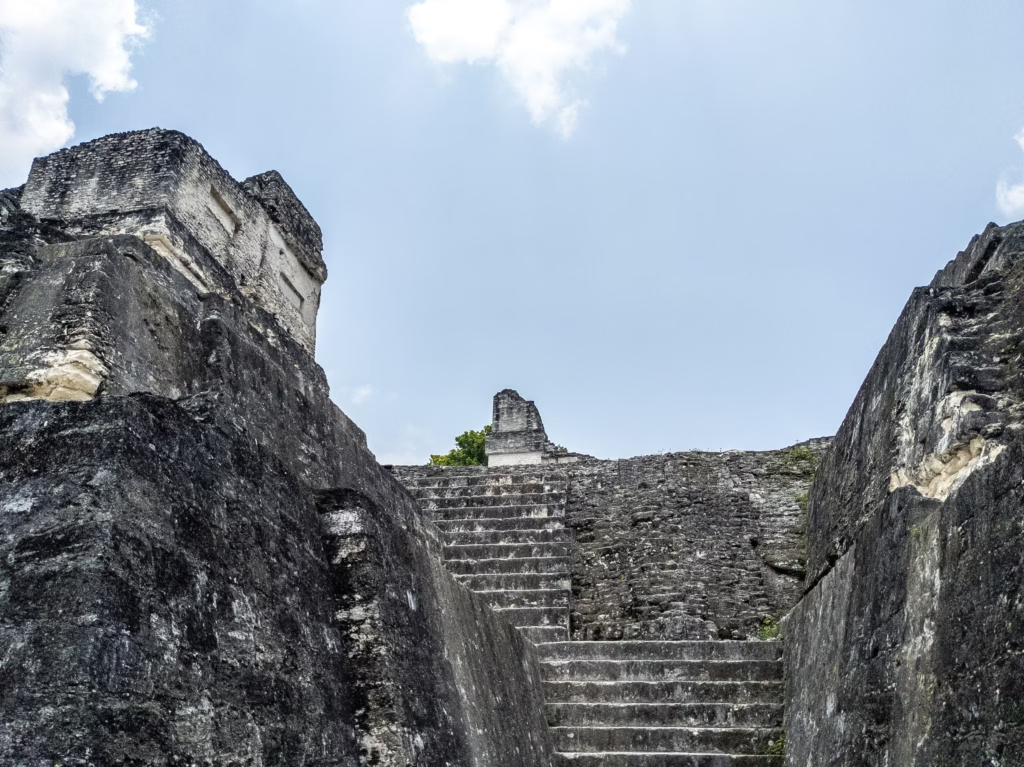
Give yourself enough time to explore beyond the most famous temple viewpoint. The site is extensive, and the atmosphere changes as you move from open ceremonial spaces into quieter forest paths. Wear comfortable shoes, carry water, and protect yourself from sun and insects. Current entry arrangements, visiting hours, and access rules should be checked before your visit rather than assumed.
A responsible visit means staying on marked routes, not climbing where access is restricted, and giving wildlife plenty of space. Hire a qualified guide if you want help understanding the architecture, calendar, political history, and relationship between the ruins and the surrounding forest.
Flores Is a Relaxed Base for Northern Guatemala
Flores is a colorful island town on Lake Petén Itzá and a convenient base for Tikal and other northern excursions. Its compact streets, waterfront restaurants, sunsets, and relaxed atmosphere make it a pleasant place to decompress after a long day in the rainforest.
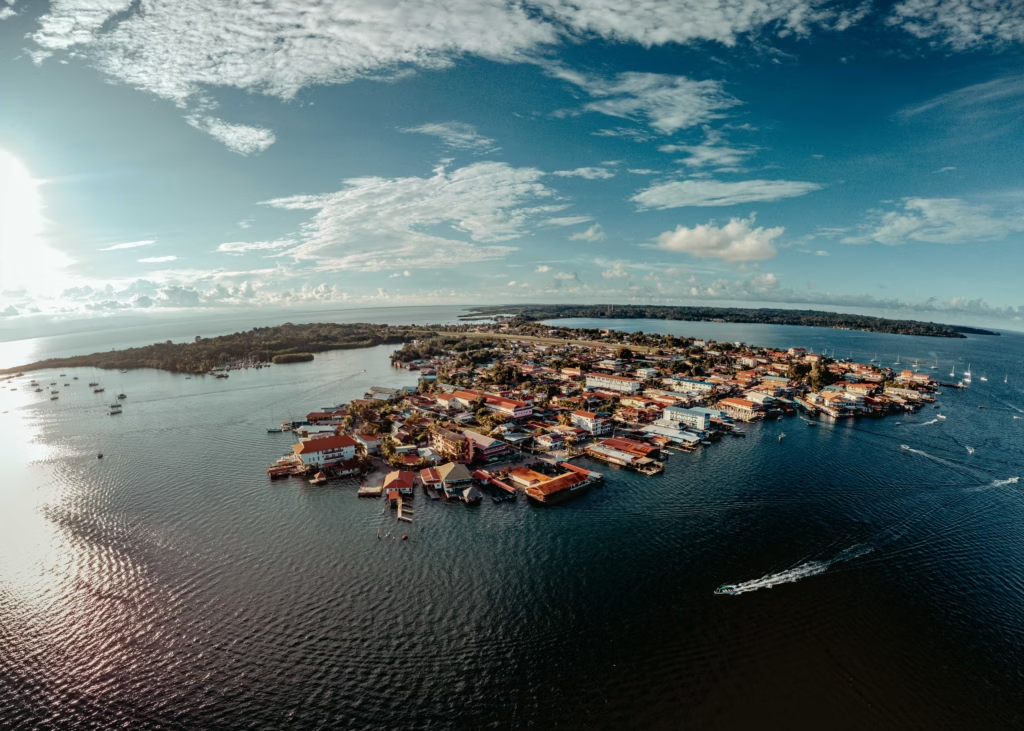
I’d spend more than a few hours here if your schedule allows. Walk around the island, eat local food, take a boat outing, or use it as a place to plan onward travel. Nearby Santa Elena and San Benito offer a more everyday urban perspective, while the lake provides opportunities for swimming and time on the water where local conditions permit.
Flores is also a useful reminder that a destination does not need a huge list of attractions to earn a place in an itinerary. Sometimes a comfortable base, a good meal, and an evening by the lake are exactly what you need between major adventures.
Semuc Champey Is Guatemala’s Jungle Adventure
Semuc Champey is the place to choose for jungle scenery, turquoise limestone pools, river activities, and a remote-feeling adventure in the Alta Verapaz region.
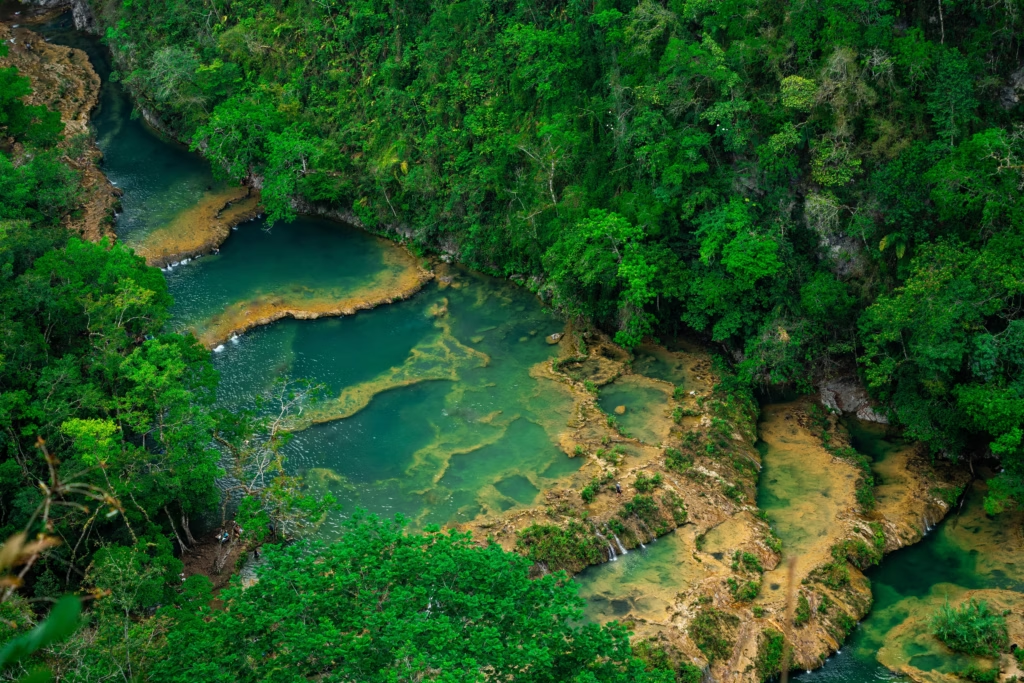
The natural pools are the headline attraction, but the journey is part of the experience. Transfers can be long and roads may be rough, so avoid scheduling Semuc Champey between two tight connections. Lanquín is the usual base, with guesthouses and hostels that cater to travelers who want to share transport and excursions.
Local tours may combine the pools with viewpoints, caves, or river activities. Ask what the excursion involves before booking, especially if it includes swimming in dark or fast-moving water. Follow guide instructions, use secure footwear, and protect electronics from water. Conditions can change after rain, so don’t assume that an activity will operate exactly as described in an old guide.
Semuc Champey is rewarding but not ideal for travelers who dislike long overland journeys or basic accommodation. For me, that trade-off is part of its appeal: the destination feels separated from the busiest circuit. Plan a few quiet hours to enjoy the surrounding forest instead of rushing from one included activity to the next.
If you enjoy comparing major natural destinations, our guide to the best places to visit in Brazil offers ideas for planning around rainforests, waterfalls, and enormous regional distances.
Río Dulce, Livingston, and Monterrico Show Guatemala’s Coastal Side
Río Dulce, Livingston, and Monterrico offer three different coastal experiences: river and wetlands, Caribbean culture, and a Pacific beach escape.
Río Dulce Is for River and Wetland Landscapes
Río Dulce is one of the best places to visit in Guatemala for boat trips, wetlands, forested waterways, and a slower connection between the highlands and the Caribbean coast. The river route toward Lake Izabal passes through lush landscapes and communities that are better understood from the water than from a fast road transfer.
Use a local boat operator or guide who can explain the ecosystem and respect riverside communities. Wildlife sightings are never guaranteed, and responsible operators should avoid chasing animals or making unrealistic promises. Castillo de San Felipe adds a historical dimension, while the river itself is the main attraction.
Allow flexibility for boat arrangements and weather. Río Dulce is not a place to over-plan every hour, and the experience improves when you watch the landscape change at its own pace.
Livingston Brings Caribbean Culture and Flavor
Livingston is a distinctive Caribbean destination reached by water, with Garífuna culture, seafood, music, and a rhythm that feels different from Guatemala’s highlands. It is one of the best places to visit in Guatemala when you want to understand the country as more than volcanoes and colonial towns.
Try local dishes such as tapado, listen to Garífuna music, and ask residents or community-led guides about the history of the town. Approach cultural experiences with curiosity rather than expecting a staged performance. Small choices buying locally, asking permission before taking photographs, and learning a few words make a difference.
Livingston suits travelers who are happy with a less predictable itinerary. Water transport and weather can affect connections, so keep buffer time before an onward journey.
Monterrico Is the Pacific Beach Break
Monterrico is the best Guatemalan beach destination for travelers who want black volcanic sand, seafood, sunsets, and a quieter alternative to heavily developed resorts. The Pacific coast has strong waves and a relaxed atmosphere, but swimming conditions can be serious, so ask local accommodation staff about the current beach conditions before entering the water.
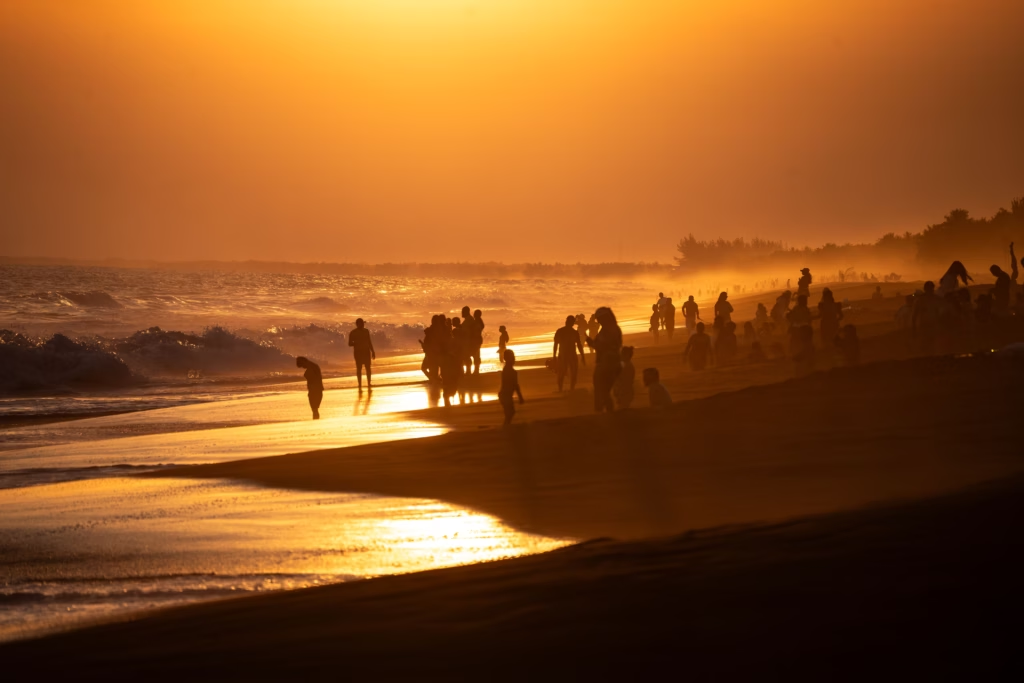
The town is a good place to slow down after hiking or overland travel. Spend time by the shore, explore the mangrove environment with a responsible local guide, and look into seasonal conservation projects if your dates coincide with them. Don’t make promises about wildlife sightings or seasonal events without checking current local information.
How to Plan a Guatemala Itinerary
A strong Guatemala itinerary combines two or three regions rather than trying to link every highlight. Antigua, Lake Atitlán, and Tikal make a classic first route; adding Acatenango or Semuc Champey turns it into a more active trip.
- One week: Focus on Antigua, Lake Atitlán, and either an Acatenango trek or a short highland extension.
- Ten days: Combine Antigua, Lake Atitlán, Tikal, and Flores, allowing realistic time for transfers.
- Two weeks: Add Semuc Champey, Quetzaltenango, or the Caribbean coast according to your interests.
- Three weeks or more: Slow down in the highlands and include Río Dulce, Livingston, Monterrico, or additional Maya sites.
Shuttle services, local buses, boats, and private transfers all play a role, but current routes and arrangements can change. Check with your accommodation before traveling and avoid building an itinerary around the final connection of the day. Long journeys are easier when you treat them as part of the trip rather than dead time.
Guatemala can suit budget travelers, particularly those who use local eateries, guesthouses, hostels, and shared excursions. Costs vary by region and activity, so compare what is included before booking volcano treks, boat tours, or multi-day transfers. Spending on a knowledgeable local guide is often money well used, especially in archaeological and nature areas.
For broader destination inspiration, browse the Best in Places destinations guide. You can also compare Guatemala’s volcanic landscapes with the best places to visit in Nicaragua, another Central American country where colonial towns, lakes, volcanoes, and beaches fit into one adventurous route.
When to Visit Guatemala
The dry season is often convenient for combining cities, highland villages, hikes, and ruins, while the rainy season can bring greener landscapes and more complicated road conditions. Weather varies by elevation and region, so the forecast in Antigua may not reflect conditions around Tikal, Semuc Champey, or the Caribbean coast.
For volcano hikes and mountain travel, check current trail and weather information close to departure. For beaches and jungle areas, ask about rainfall, river levels, road access, and local activities. Seasonal conditions can change the experience significantly, so build flexibility into your plans.
If you are comparing Guatemala with other shoulder-season destinations, our guide to the best places to visit in November is a useful starting point. Travelers planning a longer trip can also compare Guatemala with the best places to visit in Morocco, the best places to visit in China, or the best places to visit in Spain.
Guatemala Travel FAQs
What is the best place to visit in Guatemala for the first time?
Antigua is usually the easiest first base because it combines history, food, cafés, language schools, and access to volcano excursions. Pair it with Lake Atitlán or Tikal depending on whether you prefer villages and scenery or Maya archaeology.
What are the most beautiful places in Guatemala?
Lake Atitlán, Acatenango, Tikal, Semuc Champey, Río Dulce, and Antigua offer very different kinds of beauty. Choose between volcanoes, jungle, water, architecture, and highland culture rather than searching for one single winner.
Is Guatemala good for solo travelers?
Yes. Antigua, Lake Atitlán, Flores, and popular hiking destinations have hostels, group tours, language schools, and shared excursions that make meeting people relatively natural. More remote areas require additional transport planning and flexibility.
How many days do you need in Guatemala?
A week works for Antigua, Lake Atitlán, and one additional experience. Ten days allows you to include Tikal or Acatenango, while two weeks gives you more room for Semuc Champey, Quetzaltenango, or the Caribbean coast.
What food should you try in Guatemala?
Look for pepián, kak-ik, tamales, rellenitos, chuchitos, tortillas, fresh fruit, and regional dishes shaped by local Maya traditions. Markets and family-run restaurants are often good places to ask what is typical in the area you’re visiting.
What should you do next?
Choose your main travel mood first: colonial streets, volcanoes, highland culture, ancient ruins, jungle adventure, or Caribbean waterways. Pick two or three bases, check current transport and weather information, and leave room for the conversations, meals, and unexpected turns that make Guatemala feel personal.
If you are extending your trip through the region, our guide to travel in Croatia offers a very different coastal and historic itinerary, while the best places to visit in Australia is useful inspiration for planning around large distances and outdoor experiences.