
Best Time to Visit El Salvador? Easy Tips You’ll Love
Find the best time to visit El Salvador for beaches, volcanoes, surf, culture, and budget travel with practical seasonal planning tips for an easy trip.
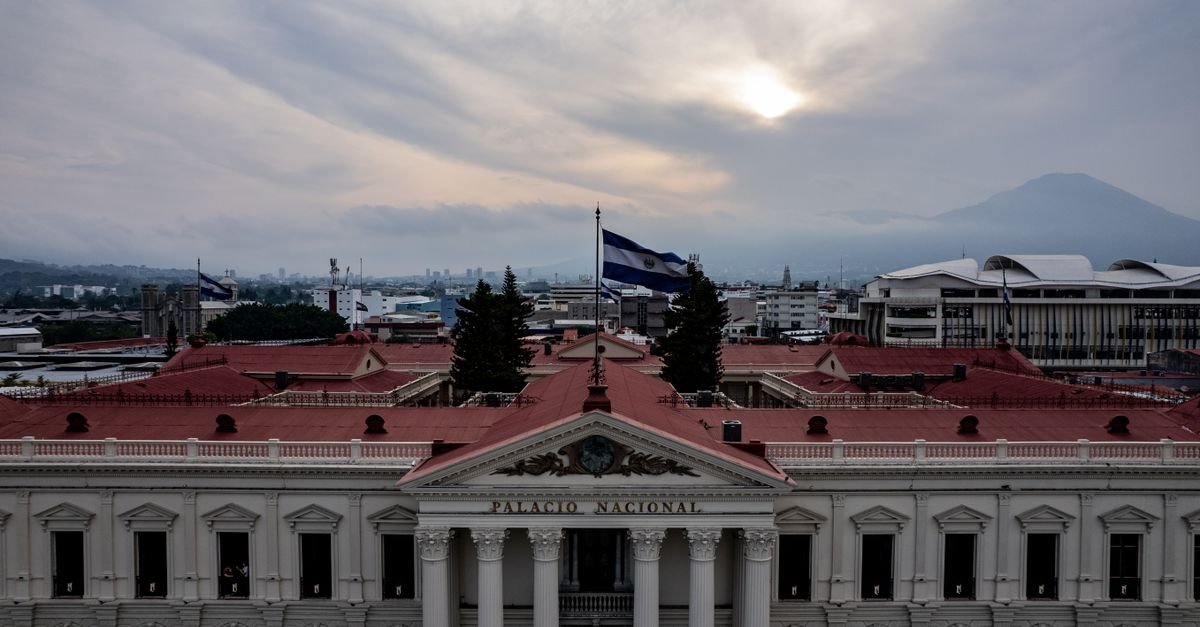
The best time to visit El Salvador depends on the trip you want to build. Are you imagining long days by the Pacific, surfing warm waves, hiking volcanoes, exploring colorful towns, or traveling slowly on a backpacker budget? Your answer matters more than a single “perfect” month.
El Salvador is compact, but its landscapes create plenty of variety. You can combine beaches, coffee country, volcanoes, lakes, markets, and historic towns without crossing an entire continent. That makes it a rewarding destination for independent travelers who want a flexible itinerary rather than a tightly scheduled tour.
In this guide, I’ll show you how to think about the seasons, what different travel windows suit, and how to make your plans more comfortable when rain, heat, surf conditions, or local events change the rhythm of the trip.
Table of Contents
Best Time to Visit El Salvador at a Glance
The best overall time to visit El Salvador is usually the drier part of the year if you want the easiest mix of beach days, volcano walks, road travel, and sightseeing, while the wetter part of the year can appeal to travelers who enjoy greener landscapes, fewer visitors, and flexible plans.
- For beaches and sightseeing: Choose a generally drier travel window and keep outdoor activities movable.
- For surfing: Plan around the swell and break that match your ability, then confirm local conditions with a reputable surf school or guide.
- For volcanoes and hiking: Favor clearer conditions, but check current trail access and weather before setting out.
- For lower demand: Consider shoulder-season dates and compare accommodation in both beach towns and inland bases.
- For lush scenery: The wetter season can bring vibrant landscapes, but build in alternatives for rainy afternoons.
- For a first trip: Combine a beach base, a volcano or lake area, and a cultural stop rather than rushing across the country.
I’d choose dates by starting with one priority experience, then building the rest of the itinerary around it. That simple approach prevents a common travel mistake: picking a season for its reputation and only later realizing it doesn’t suit the activities you actually care about.
How El Salvador’s Seasons Shape Your Trip
El Salvador’s seasons mainly affect rainfall, road conditions, trail access, surf conditions, greenery, and how much flexibility you need in your daily plans.
The drier season is often the easiest choice for a multi-region itinerary. Clearer days can make beach time, viewpoints, volcano walks, and transfers more straightforward. You’ll still need sun protection and water, and cloud cover can change quickly around higher ground, but the overall planning style is usually simpler.
The wetter season brings a different kind of appeal. Forests, hills, and farmland can look especially green, and travelers may find a slower atmosphere in some destinations. The trade-off is that heavy showers can interrupt hikes, make unpaved roads more difficult, and turn a carefully timed outdoor day into a waiting game.
I wouldn’t treat the rainy season as a reason to cancel a trip. I’d simply avoid stacking weather-sensitive activities back to back. A flexible itinerary might pair a morning hike with a town, museum, café, or food experience that can fill the afternoon if rain arrives.
Conditions can vary by coast, elevation, and local geography. A bright morning at the beach doesn’t guarantee clear views from a volcano, and a wet forecast in the mountains doesn’t always mean a full day of rain on the coast. Check the areas you’re actually visiting close to departure rather than relying on one national forecast.
When to Visit El Salvador for Beaches and Surfing
The best time for El Salvador’s beaches depends on whether you want relaxed swimming, dramatic coastal scenery, beginner lessons, or consistent surf conditions.
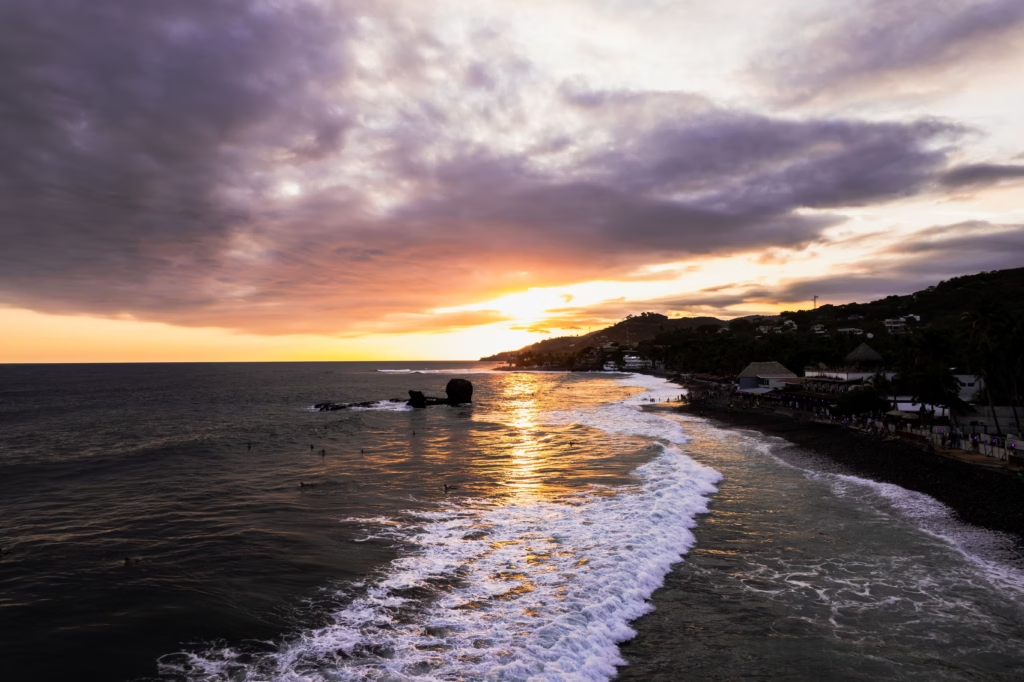
The Pacific coastline is a major reason travelers visit, but beach towns can offer very different experiences. Some are built around surf schools and board rentals, while others are better for quiet mornings, seafood, sunsets, and short walks along the shore. I’d choose the town first, then ask what the local water and wave conditions are usually like during your dates.
Surfers should plan around the break rather than searching for a universal best month. A powerful wave that excites an experienced surfer may be completely unsuitable for a beginner. If you’re learning, book a lesson with an established local school and ask about the beach, equipment, instructor experience, and conditions expected for your ability.
Give yourself several days in a coastal base instead of trying to squeeze surfing between constant transfers. Surf conditions can change, and your body may need a recovery day after lessons. That slower rhythm also creates room for local meals, conversations with guesthouse owners, and time away from the main tourist strip.
Even if you don’t surf, the coast can be an easy place to meet people. Hostels, surf schools, shared shuttles, cafés, and beach restaurants create natural social settings for solo travelers. You can join a lesson or boat outing without turning the entire trip into a group tour.
Pack reef-conscious sun protection where appropriate, a reusable bottle, quick-drying clothing, and a secure way to protect your phone from sand and water. Ask locally about currents, access, and changing beach conditions. Don’t assume a quiet-looking stretch of water is suitable for swimming.
Best Time for Volcanoes, Lakes, and Outdoor Adventures
The best time for volcanoes and outdoor adventures in El Salvador is a period that gives you clearer conditions while leaving enough flexibility for cloud, rain, heat, and changing trail access.
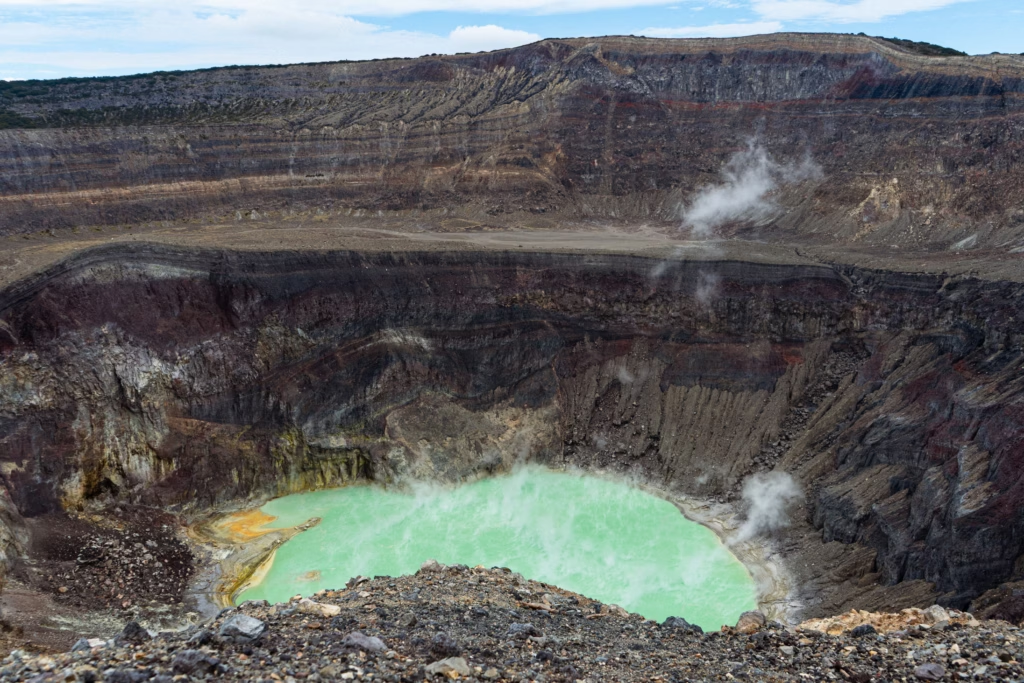
Volcano routes are appealing because they reveal a different side of the country from the coast. Trails, viewpoints, crater landscapes, forests, and lakes can all fit into a relatively short itinerary, but outdoor plans should be treated as weather-sensitive. A clear morning is often more useful than a beautifully forecast afternoon that arrives after cloud has covered the viewpoint.
Choose hikes that match your fitness and experience, and find out what the route involves before leaving town. Ask about current trail conditions, guides, transport, water, footwear, and turnaround policies. If you’re hiking alone, tell someone your plan and avoid treating a popular route as automatically simple.
Lake Coatepeque can suit travelers who want a slower water-based stop, while the Ruta de las Flores offers a useful combination of small towns, coffee landscapes, viewpoints, food, and a change of pace from the coast. The best route depends on current access and your transport style, so avoid filling every day with a long transfer.
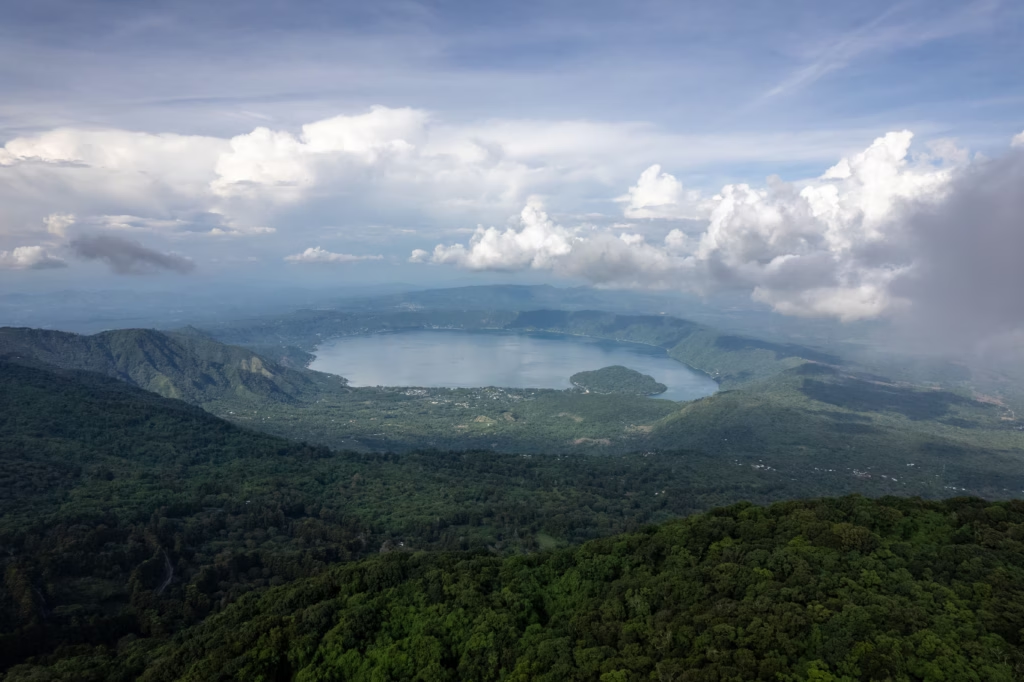
Outdoor travel also means accepting that visibility is never guaranteed. A volcano viewpoint may be hidden by cloud, and a lake day may be affected by wind or rain. I’d keep a cultural or food-focused backup plan nearby rather than abandoning the whole day when the landscape doesn’t cooperate.
If you’re comparing El Salvador with another destination known for volcanoes, highlands, and local culture, take a look at the best places to visit in Guatemala. The countries offer different travel rhythms, but both reward travelers who leave time for landscapes and everyday community life.
When to Visit El Salvador for Culture and Local Life
The best time to visit El Salvador for culture is the period when you can slow down, attend local events respectfully, and leave room for markets, food, historic places, and conversations rather than rushing between headline attractions.
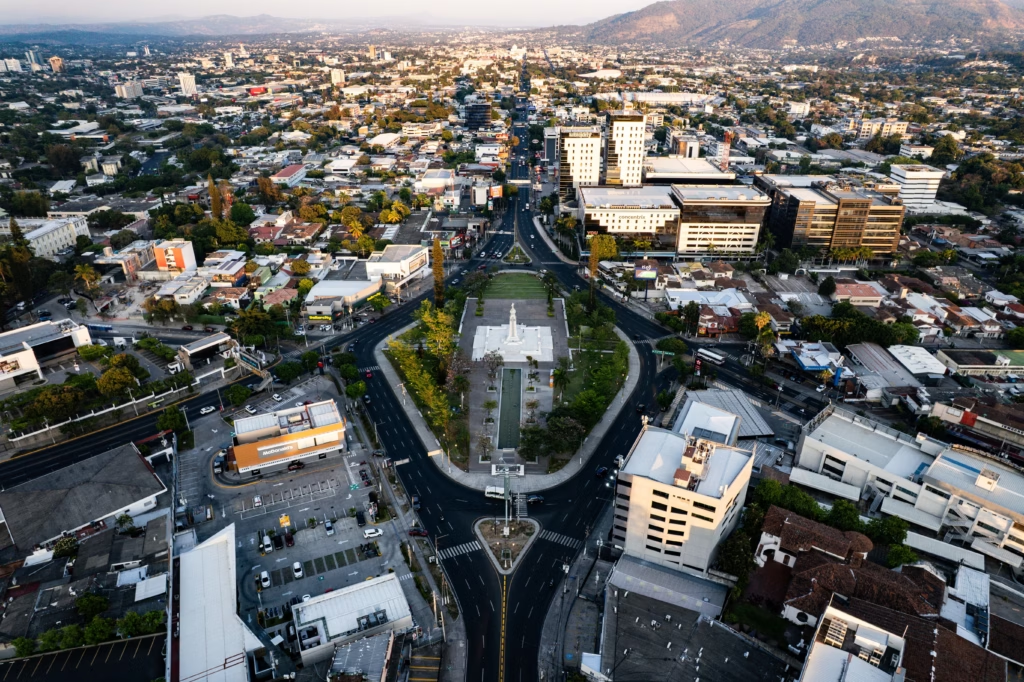
San Salvador makes a practical starting point for travelers who want museums, food, urban neighborhoods, and access to several different regions. It can also be a useful place to meet other travelers through social accommodation, walking tours, language exchanges, and organized day trips.
Beyond the capital, smaller towns can offer a gentler rhythm. Markets, bakeries, coffee producers, craft workshops, churches, and town plazas often tell you more about a place than a quick checklist of viewpoints. Ask before taking photographs, especially when people, religious activities, or community celebrations are involved.
Local festivals and public events can add music, food, dance, and tradition to a visit, but dates and arrangements can change. Confirm current information through an official organizer or local tourism authority before booking flights or non-refundable accommodation around a specific event.
I like leaving at least one unplanned afternoon in each cultural stop. That may sound inefficient, but it gives you time to follow a recommendation, return to a market, sit in a café, or simply notice how the town changes through the day. Those ordinary moments often become the part you remember most clearly.
Choosing the Best Time for a Budget Trip
The best time for a budget trip to El Salvador is the travel window that balances accommodation demand, transport availability, weather flexibility, and the activities you genuinely want to pay for.
Rather than assuming one season is always cheapest, compare several date ranges and destinations. A room near a busy beach may cost more than a guesthouse inland, but staying too far from the coast can add transport costs and make spontaneous beach days difficult. Look at the full trip budget, not only the nightly rate.
Budget travelers can save by staying longer in fewer bases, eating at local restaurants, using shared transport when practical, and choosing a mix of free outdoor activities and paid experiences. I’d spend money on a reputable guide, surf lesson, or volcano excursion when expertise and equipment affect the quality of the experience.
Keep a small buffer for weather-related changes. A delayed bus, an extra night near a trail, or a replacement activity can be frustrating if your budget has no room at all. Flexibility doesn’t have to be expensive, but it does require planning.
For another Central American route where beaches, volcanoes, towns, and travel seasons shape the budget, compare these ideas with the best places to visit in Nicaragua. You can also browse the best places to visit in Brazil if you’re extending your trip through South America and want a much larger range of landscapes.
How to Plan an El Salvador Itinerary Around the Weather
A weather-friendly El Salvador itinerary combines fixed plans with movable ones, so a rainy afternoon or cloudy viewpoint doesn’t derail the whole trip.
- Choose a main experience. Decide whether your trip is primarily about surfing, beaches, volcanoes, coffee, culture, food, or a mixture.
- Pick two or three bases. A coastal town, an inland or highland stop, and San Salvador can create variety without constant packing.
- Put outdoor activities on flexible days. Keep hikes, lake outings, and boat or surf plans movable whenever possible.
- Protect important connections. Avoid scheduling a remote excursion immediately before a flight or essential onward journey.
- Check local conditions. Confirm trail access, road conditions, surf information, and event details close to the date.
- Leave room for ordinary travel. Markets, meals, conversations, and neighborhood walks deserve space in the itinerary.
El Salvador is small enough to tempt travelers into overplanning. Try not to treat that compact size as permission to move every day. A short transfer can still take energy when you add checkouts, waiting, traffic, luggage, and unfamiliar roads.
Solo travelers can make the route more social by staying in hostels or guesthouses, joining walking tours, taking a surf lesson, or booking a shared outdoor excursion. You can meet people without committing to a group for the entire trip. A shared morning followed by a quiet dinner is often a comfortable balance.
For a different kind of seasonal planning, read the best time to visit Croatia. The landscapes are completely different, but the same principle applies: select dates according to your main experience, then leave breathing room around it.
What to Pack for El Salvador
A flexible packing list works best because El Salvador can combine hot coastlines, humid outdoor conditions, cooler evenings in elevated areas, and sudden rain.
- Lightweight clothing that dries quickly
- Comfortable walking shoes with grip
- A compact rain jacket or poncho
- Sun protection, including a hat and sunglasses
- Swimwear and a small day bag
- Insect protection for evenings and forest areas
- Waterproof protection for electronics and documents
- A reusable water bottle and personal medication
- A warmer layer for elevated towns and early mornings
For volcano hikes, ask about the route before deciding that sandals or casual trainers are enough. Wet paths, uneven ground, mud, and steep sections can make a short-looking walk much more demanding.
Keep your rain layer and warm layer accessible rather than buried in your main bag. Packing for quick changes is more useful than bringing a large wardrobe. I’d also carry a small amount of food for long transfers or outdoor days, especially when services may be limited.
Practical Tips for Choosing Your Travel Dates
The smartest way to choose dates is to compare your priorities honestly rather than chasing a perfect forecast that may not exist.
If you want the simplest conditions for a first trip, lean toward the drier season and build a route around the coast, a highland or volcano area, and cultural stops. If you prefer greener scenery and don’t mind changing plans, a wetter period can still be rewarding. Just make sure your itinerary includes indoor and low-key alternatives.
Check current weather, road, trail, and event information before departure, then ask local accommodation providers for updates after you arrive. Local knowledge can be especially useful when rain has affected a trail, a road, or an outdoor tour.
Respect the places you visit. Learn a few Spanish phrases, support local businesses, ask before photographing people, and follow current rules in natural areas. Travel becomes more meaningful when the destination is treated as a living community rather than a backdrop.
If you’re comparing El Salvador with a European city-and-nature trip, our guide to the best places to visit in Czechia offers a completely different route, while the best time to visit Puerto Rico is useful for comparing another warm-weather destination with beaches, culture, and flexible outdoor travel.
El Salvador Travel FAQs
What is the best month to visit El Salvador?
There isn’t one best month for every traveler. A drier travel window generally suits beach days, volcano walks, and multi-region itineraries, while wetter-season travel can suit people who value green scenery, lower demand, and flexible plans. Check conditions for each region on your route.
Is El Salvador good for solo travelers?
Yes. Hostels, guesthouses, surf schools, walking tours, language exchanges, and shared excursions can create natural opportunities to meet people. More remote routes require additional planning, so confirm transport and activity arrangements rather than assuming everything will be easy to organize after arrival.
How many days do you need in El Salvador?
A shorter trip can focus on San Salvador and one coastal or highland base. More time lets you combine beaches, volcanoes, coffee country, lakes, and small towns without turning every day into a transfer. I’d rather explore fewer regions properly than rush through a long checklist.
Is El Salvador expensive for backpackers?
Costs depend on your accommodation, transport, activities, and route. Budget-conscious travelers can compare guesthouses, local restaurants, shared excursions, and longer stays in fewer bases. When booking outdoor activities, prioritize reputable operators and clear safety and equipment information over the lowest advertised price.
Should you visit El Salvador during the rainy season?
You can, provided you’re comfortable with flexible plans. Pack rain protection, check current local conditions, and avoid scheduling every hike, beach day, or surf session on one exact date. A rainy afternoon can become a chance to explore food, markets, museums, or a nearby town.
What should you do next?
Choose your priority first: surf, beaches, volcanoes, coffee, culture, food, or a slower mix of everything. Pick dates that support that experience, check current regional conditions, reserve the activities that truly need advance planning, and leave enough space for local recommendations to shape the journey.
For another destination with dramatic contrasts, you can also compare your route with the best time to visit Bolivia. El Salvador is easier to cover in a compact itinerary, but both countries reward travelers who plan around landscapes instead of trying to force every destination into a fixed schedule.